Planting
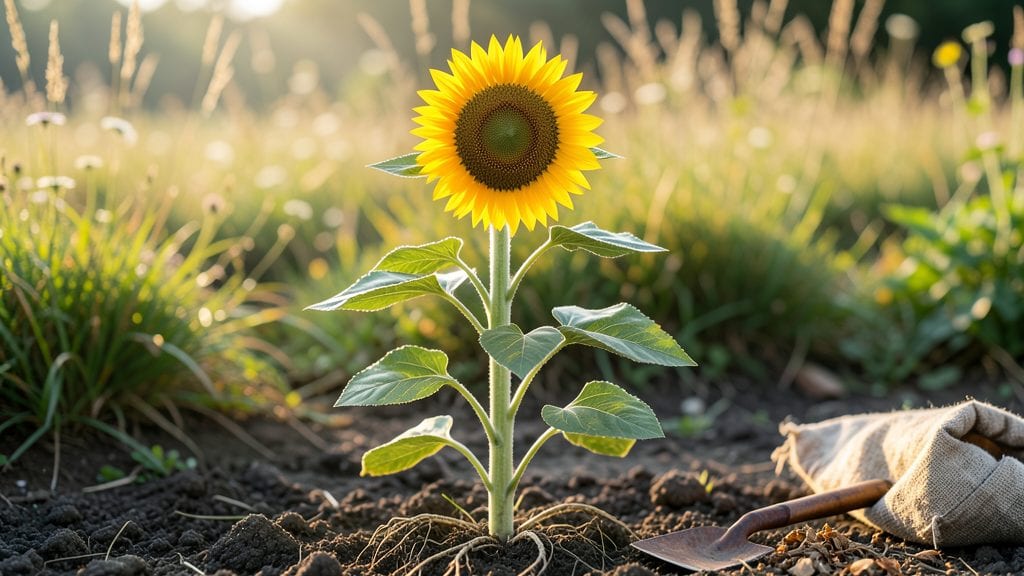
Sunflower plant care begins with a simple truth: these towering beauties thrive when you mimic their wild beginnings—sun, space, and deep roots. 🌻 I’ve watched my sunflowers go from fluffy seedlings to 10-foot giants in just three months, and the secret isn’t complicated.
It’s about giving them room to stretch, soil that drains well, and water that keeps their roots happy without drowning them. Most gardeners overwater or crowd their plants, and that’s when you get leggy stems or weak blooms.
The foolproof routine begins with well-draining soil—mix in compost or aged manure to feed those hungry roots—and plant seeds 1 inch deep, 6 inches apart. Sunflowers need full sun (6+ hours daily), but they’ll tolerate partial shade if you’re in a hot climate.
Water deeply once a week, soaking the soil 6 inches down, and let the top inch dry between waterings. Overwatering is the #1 killer, so skip the daily sprinkle.
By midseason, you’ll notice velvety green leaves and sturdy stems—proof you’re doing it right. Pinch back the top set of leaves when plants are 12 inches tall to encourage bushier growth, and watch for aphids or beetles (spray with soapy water if needed).
The real magic happens when those golden faces start to tilt toward the sun, signaling blooms in 8-10 weeks from seed.
This method works for all sunflower varieties, from dwarf ‘Teddy Bear’ to giant ‘Russian Giant’. Adjust spacing for taller types—give them 2 feet of elbow room—and you’ll end up with sunlit blooms that attract pollinators and make your garden the talk of the neighborhood.
Ready to grow your own sunflowers?
📚 In This Guide
- What you need
- Instructions
- Tips and common mistakes
- Wrapping up and next steps
What you need
- ● Sunflower seeds: Choose Helianthus annuus varieties (e.g., 'Mammoth' or 'Autumn Beauty'). Buy 10–20 seeds for a small garden or 50+ seeds for a full border.
- ● Well-draining potting mix or garden soil: 5–10 gallons (or enough to fill your containers if planting in pots). Amend with compost for nutrient-rich soil.
- ● Fertilizer: A balanced 10-10-10 or 5-10-10 granular fertilizer (use 1–2 tbsp per plant at planting and again when stems reach 12 inches).
- ● Watering can or hose: With a gentle spray nozzle to avoid disturbing seedlings.
- ○ Stakes or cages (optional but helpful): 2–3 ft tall for taller varieties (e.g., 'Giant Russian' can grow 12+ ft!).
- ● Garden trowel or hand shovel for planting.
- ○ Gloves (optional, to protect hands from thorns on some varieties).
- ● Pruning shears for deadheading or harvesting.
- ● Mulch (straw or shredded leaves) to retain moisture and suppress weeds (2–3 inches around plants).
- ○ Sunflower companion plants (optional): Marigolds or nasturtiums to deter pests.
Step-by-Step guide to growing sunflowers from seed to bloom
Here's the foolproof method I use to grow sunflowers that reach their full, glorious height every season.
🌱 Step 1: Choose the Right Variety and Plant at the Correct Depth
Sunflowers thrive in full sun and need plenty of space to grow. I always opt for dwarf varieties like 'Teddy Bear' for containers or giant types like 'Russian Giant' for dramatic impact. Plant seeds 1 inch deep in well-draining soil, spacing them 6 inches apart in rows 2 feet apart.
Here's the thing—sunflower seeds are large and easy to handle. I like to use my finger to create a small hole, drop in one seed, and cover it with soil. Planting too deep delays germination, so resist the urge to bury them deeper than necessary. Water gently after planting to settle the soil around the seeds.
☀️ Step 2: Provide Consistent Moisture and Full Sun Exposure
Sunflowers need 6-8 hours of direct sunlight daily to grow strong and tall. Once seedlings emerge, water deeply 1-2 times per week, ensuring the soil stays moist but not waterlogged. You'll see the first true leaves appear in 7-10 days, signaling that the plant is established and ready for more frequent watering.
I always check the soil moisture by sticking my finger 1 inch deep—if it feels dry, it's time to water. Overwatering can lead to root rot, so let the top inch of soil dry out between waterings. Mulching around the base of the plant helps retain moisture and keeps the soil cool.
🌿 Step 3: Support Tall Varieties and Monitor for Pests
Tall sunflower varieties like 'Russian Giant' can grow up to 12-15 feet tall, so I always provide support by staking them early. Use 3-foot stakes or a sturdy trellis and tie the stems loosely with soft plant ties or old fabric strips. This prevents the stems from snapping in wind or rain.
Keep an eye out for common pests like aphids or spider mites, especially on the undersides of leaves. I spray the plants with a mix of 1 gallon of water and 1 tablespoon of mild dish soap to deter pests without harming the plant. Regularly inspect the foliage and stems to catch any issues early.
⏰ Step 4: Harvest Seeds and Prepare for Next Season
When the sunflower heads turn brown and dry, it's time to harvest the seeds. Use pruning shears to cut the entire head off the stem and hang it upside down in a dry, well-ventilated area for 1-2 weeks. This allows the seeds to dry completely and makes them easier to remove.
Once the seeds are dry, gently rub the head to release them. Store the seeds in a cool, dry place in a sealed container for up to 3 years. This ensures you'll have fresh seeds ready for next season's planting. You'll love watching the cycle repeat as your sunflowers grow tall and proud year after year.
Tips & tricks for perfect sunflower plant care
Here's what nobody tells you about growing sunflowers that reach their full potential—these are the secrets I've learned after watching my own plants thrive year after year.
Soil Preparation: Before planting those 1-inch-deep seeds, amend your soil with compost to improve drainage and nutrient availability. Sunflowers are heavy feeders, so I always mix in a 2-inch layer of compost before planting. This gives them the strong foundation they need to support their impressive height, especially those towering 'Russian Giant' varieties that can reach 12-15 feet. The better the soil, the more robust your plants will grow.
Sunlight Strategy: While sunflowers need that full 6-8 hours of direct sunlight daily, I've found that positioning them to catch morning sun is crucial. The cooler morning light helps prevent leaf scorch that can occur with intense afternoon sun. If you notice leaves curling or browning, it's often a sign they're getting too much direct heat—consider providing some afternoon shade, especially in hot climates.
Watering Wisdom: The 1-2 times per week watering guideline works well, but I pay special attention to the soil moisture test you'll find in Step 2. When checking that top inch of soil, I look for more than just dryness—I also check for crusting on the surface. If the soil forms a hard crust when dry, it's a sign your watering isn't penetrating deeply enough. Break up the crust gently before watering to ensure moisture reaches the roots where it's needed most.
Pest Prevention: That mild dish soap spray I mentioned for pests is my go-to, but I've found an extra preventive measure works even better. Before planting, I treat the seeds with a neem oil solution (1 tablespoon neem oil per gallon of water) for 30 minutes before planting. This creates a protective barrier against early pests while the seedlings are most vulnerable. The soap spray comes into play once the plants are established and actively growing.
Pro Tips for Sunflower Plant Care
- Here's what nobody tells you about growing sunflowers that reach their full potential—these are the secrets I've learned after watching my own plants thrive year after year.
- Soil Preparation: Before planting those 1-inch-deep seeds, amend your soil with compost to improve drainage and nutrient availability.
- Sunlight Strategy: While sunflowers need that full 6-8 hours of direct sunlight daily, I've found that positioning them to catch morning sun is crucial.
Frequently asked questions
Got questions about growing sunflowers? You’re not alone!
Here are some of the most common concerns—plus quick, actionable answers to keep your sunflowers happy and healthy.
How long does it take for sunflowers to grow from seed to full bloom?
Most sunflower varieties reach maturity in 80 to 100 days after planting, depending on the type. Dwarf varieties may bloom faster (around 60 days), while giant varieties can take up to 120 days. Keep an eye on your seeds—once the first true leaves appear, count backward from your average last frost date to ensure a long growing season!
How often should I water sunflowers, and do they need a lot?
Sunflowers are drought-tolerant once established, but young plants need consistent moisture. Water deeply 1-2 times per week, aiming for about 1-2 inches of water per week. Avoid overhead watering to prevent fungal diseases, and mulch around the base to retain soil moisture. Pro tip: Let the soil dry slightly between waterings to encourage strong root growth!
What are the most common sunflower pests, and how do I deal with them?
Sunflowers may attract aphids, beetles, or even birds pecking at seeds. For aphids, spray with a mix of water and mild soap or introduce ladybugs. To deter beetles, use row covers or neem oil. For birds, try netting over mature seed heads. Bonus: Healthy, well-spaced plants are less appealing to pests!
Can sunflowers grow in containers, and what size pot do I need?
Sunflowers thrive in containers if given enough space. For dwarf varieties (3-4 feet tall), a 5-gallon pot works, while giant varieties (10+ feet) need at least 15-gallon pots or larger. Ensure pots have drainage holes and use a lightweight potting mix to prevent tipping. Place containers in full sun and fertilize regularly for best results.
Can sunflowers survive frost, and what if they’re planted late?
Sunflowers are not frost-tolerant—they’ll die if exposed to temperatures below 32°F (0°C). If planting late, opt for fast-maturing varieties (like ‘Moulin Rouge’ or ‘Teddy Bear’) or start seeds indoors 4-6 weeks before the last frost. For a longer season, use black plastic mulch to warm the soil. Warning: Even young seedlings won’t survive a hard freeze!
Why aren’t my sunflowers blooming, even though they’re tall?
Sunflowers may skip blooming due to lack of sunlight (they need 6-8+ hours daily), over-fertilizing with nitrogen (which promotes leaves over flowers), or stress from pests/disease. Check for yellowing leaves (nutrient deficiency) or stunted growth (root issues). Move plants to sunnier spots, switch to a low-nitrogen, high-phosphorus fertilizer, and inspect for hidden problems.
Wrapping up and next steps
Caring for sunflowers is a rewarding journey that brings vibrant beauty and joy to your garden! 🌻 With the right sunflower plant care—from selecting the perfect soil to providing ample sunlight and water—you’ll watch these cheerful giants grow tall and proud.
Remember, patience and consistency are key, and soon you’ll be harvesting seeds or admiring their stunning blooms.
Now that you’re armed with expert tips, why not plant your first sunflower today? Grab your seeds, find a sunny spot, and let nature do the rest. Happy gardening! 🌱