
Blooming
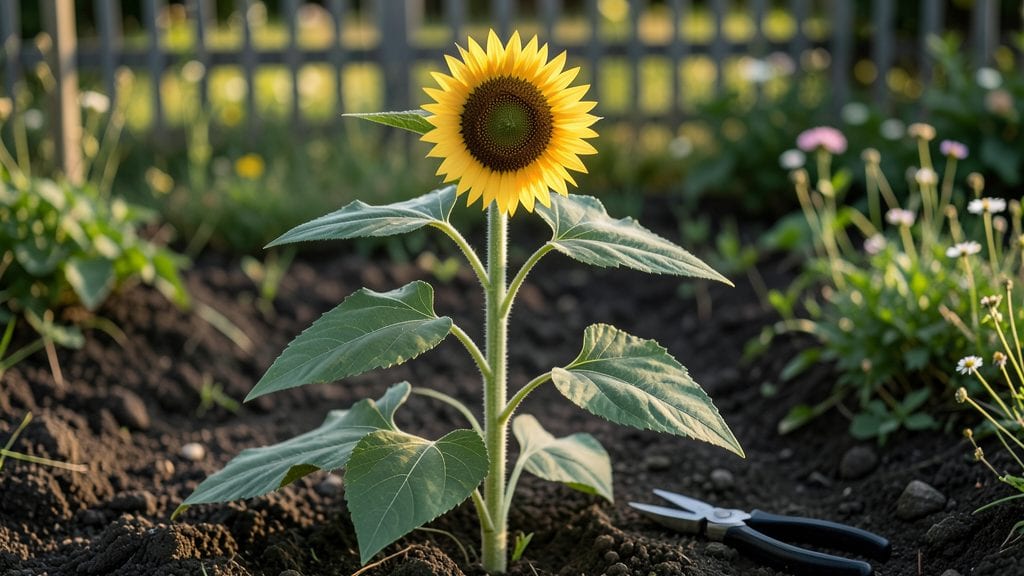
Sunflowers pre-bloom are where the real magic happens—this is when you decide whether your towering giants will reach their full potential or stay stunted. I’ve watched my sunflowers go from stubborn little sprouts to 10-foot giants by paying attention to the early stages, and the difference is night and day.
The secret isn’t just water or sunlight—it’s understanding what they actually need before those golden faces turn toward the sky.
Here’s the thing—most gardeners overwater or underfeed during this phase, and that’s how you end up with leggy, weak stems that flop under their own weight. You’ll need well-draining soil, consistent moisture (not soggy), and a balanced fertilizer to encourage strong stems and leaf growth.
Think of this stage like building a skyscraper: the foundation determines how tall it can go. Skip it, and you’ll regret it when harvest time rolls around.
By the time you see those first bracts (the leafy bits just below the flower bud), you’ll know you’re on the right track. Those buds will swell, the stems will thicken, and soon you’ll be staring at sunflowers that could make a skyscraper jealous.
The payoff? Bigger blooms, sturdier stems, and a harvest that turns heads—literally. This is where patience and a little extra care turn good sunflowers into showstoppers.
Whether you’re growing in full sun or partial shade, the principles stay the same—adjust for your climate, but never skip the basics. Next, we’ll dive into the exact watering schedule, fertilizer ratios, and how to spot trouble before it starts. Trust me, your future sunflowers will thank you.
📚 In This Guide
- What you need
- Instructions
- Tips and common mistakes
- Wrapping up and next steps
What you need
- ● Sunflower Seeds: 1–2 lbs of heirloom or hybrid sunflower seeds (e.g., 'Russian Giant,' 'Mammoth,' or 'Autumn Beauty'). Choose varieties known for height (6–12 ft).
- ● Pro Tip: 💡 Opt for untreated seeds for organic gardening or organic-certified seeds for chemical-free growth.
- ● Growing Medium: 5–10 gallons of well-draining potting mix (for containers) or 1–2 cubic yards of loamy garden soil (for in-ground planting).
- ● Amend soil with compost (2–3 inches mixed into the top 12 inches) for nutrients.
- ○ Containers (Optional): 5–7 gallon fabric or plastic pots with drainage holes (for dwarf varieties) or large grow bags (for giants).
- ● Fertilizer: Balanced 10-10-10 or 5-10-10 granular fertilizer (1–2 tbsp per plant at planting).
- ○ Optional: Slow-release osmocote (3–4 months) for steady nutrition.
- ● Watering Supplies: Watering can or hose with a gentle spray nozzle (to avoid disturbing seedlings).
- ○ Pro Tip: 🌡️ Use a moisture meter (optional) to monitor soil hydration—sunflowers hate soggy roots!
- ● Support Structures (For Tall Varieties): 3–4 bamboo stakes (2–3 ft tall) or tomato cages (6–8 ft) per plant.
- ● Soft plant ties (2–3 per stake) to secure stems as they grow.
- ● Tools: Hand trowel or transplanting spade.
- ● Pruning shears (for removing lower leaves to encourage upward growth).
- ○ Optional: Seedling heat mat (if starting indoors in cool climates).
- ● Sunlight: Full sun (6–8+ hours daily). Partial shade will stunt growth.
- ● Temperature: Ideal soil temp for germination: 70–90°F. Avoid planting until after the last frost (or use row covers).
- ● Spacing: Dwarf varieties: 12–18 inches apart.
- ● Standard/giant varieties: 2–3 feet apart (or 4–6 ft for giants).
- ● pH Level: Slightly acidic to neutral soil: 6.0–7.0. Test with a soil pH kit if unsure.
Step-by-step guide to nurturing sunflowers before blooming
Here’s how to give your sunflowers the strong start they need for towering stems and abundant blooms.
🌱 Step 1: Plant Seeds at the Right Depth and Spacing
Sunflower seeds need warmth to germinate, so wait until the soil is at least 60°F before planting. Drop 1-2 seeds per hole about 1 inch deep—deeper planting slows germination. Space seeds 6 inches apart in rows 2 feet apart to allow room for their massive root systems.
Don’t crowd the seeds. I’ve seen gardeners plant too close, and while it might seem like more flowers, the stems end up weak and prone to toppling. If you’re growing 4 sunflowers, arrange them in a square pattern for balanced support.
☀️ Step 2: Provide Consistent Sunlight and Water
Sunflowers thrive in full sun, so place them where they’ll get 6-8 hours of direct sunlight daily. If you notice leaves stretching toward the light or stems growing lanky, your plants need more sun. Move them closer to a sunny window or supplement with a grow light.
Water deeply 2-3 times per week, keeping the soil 1-2 inches moist but not soggy. The key is consistency—sunflowers hate drying out, but their roots also rot in waterlogged soil. Check moisture by sticking your finger in the soil; if it’s dry at that depth, water again.
💧 Step 3: Fertilize for Strong Stem Development
Use a balanced, low-nitrogen fertilizer (like 10-10-10) when seedlings reach 4-6 inches tall. Too much nitrogen makes plants focus on leaves instead of stems and blooms. Mix 1 tablespoon of fertilizer per plant into the soil around the base, then water thoroughly to help it absorb.
Watch for signs of nutrient deficiency—yellowing leaves or stunted growth mean it’s time to feed again. I fertilize every 4-6 weeks during the growing season, but stop once buds form to avoid encouraging foliage over flowers.
✂️ Step 4: Support Stems Early to Prevent Toppling
Sunflowers grow fast, but their tall, heavy blooms can snap stems if left unsupported. Install stakes or cages when plants reach 18-24 inches tall. Use 3-foot stakes for single stems and tie them loosely with soft twine—tight bindings can damage the stem as it thickens.
If you’re growing 4 sunflowers, arrange stakes in a circle around them for stability. Check ties weekly; stems thicken as they grow, so loosen knots to avoid restricting circulation. This small step prevents broken stems and ensures your sunflowers reach their full height.
🌿 Step 5: Monitor for Pests and Diseases
Keep an eye out for aphids, spider mites, or powdery mildew, which love sunflowers. Wipe leaves with a damp cloth or spray with neem oil at the first sign of pests. I’ve found that early intervention prevents outbreaks before they weaken the plant.
Remove any yellow or spotted leaves immediately—they’re signs of disease or stress. Prune them with clean shears and dispose of them away from the garden to prevent spreading. Healthy foliage means more energy for those towering stems and vibrant blooms.
Tips & tricks for growing towering sunflowers
These little adjustments can make all the difference between average stems and those jaw-dropping sunflowers that tower over your garden.
Soil Temperature Secret: That 60°F minimum isn't just a suggestion—it's critical for germination. I've planted seeds in cooler soil and watched them take weeks to sprout, if they sprouted at all. Use a soil thermometer if you're unsure, especially in spring when temperatures fluctuate. The seeds need warmth to activate their growth hormones, so don't rush planting just because your last frost date has passed.
Watering Wisdom: The 2-3 times per week guideline works best in normal conditions, but your actual watering needs depend on your climate. In hot, dry weather, you might need daily watering in the morning to prevent wilting. I've seen sunflowers wither dramatically in the afternoon heat—watering then can lead to fungal issues. Always water at the base, not the leaves, to prevent disease. A moisture meter helps track soil conditions accurately.
Fertilizer Timing: When your seedlings hit that 4-6 inch mark, it's time to feed—but don't overdo it. I've made the mistake of fertilizing too early, which can actually stunt root growth. The 1 tablespoon per plant recommendation is perfect for balanced growth. After fertilizing, give the soil a good drink of water to help distribute nutrients evenly. This is when you want strong stems, not lush foliage that weighs them down.
Support System Strategy: Those 3-foot stakes might seem tall now, but trust me—they'll be just right when your sunflowers reach their full height. I recommend using bamboo stakes because they're sturdy and biodegradable. When tying, use soft fabric strips instead of wire that can cut into the stems as they thicken. Check your ties every week, especially after rain when stems can swell quickly. This is your insurance against those heartbreaking snapped stems.
Pro Tips for Sunflower Pre Bloom
- These little adjustments can make all the difference between average stems and those jaw-dropping sunflowers that tower over your garden.
- Soil Temperature Secret: That 60°F minimum isn't just a suggestion—it's critical for germination.
- Watering Wisdom: The 2-3 times per week guideline works best in normal conditions, but your actual watering needs depend on your climate.
Frequently asked questions
Got questions about nurturing sunflowers during their pre-bloom stage?
You’re not alone! Here are answers to the most common concerns—from timing tricks to troubleshooting woes—so you can set your sunflowers up for sky-high success.
1. How do I know if my sunflower is in the pre-bloom stage?
Look for these key signs: The plant’s stem will be thick and sturdy, reaching at least 3–4 feet tall (depending on the variety). The bud at the top will firm up, resembling a green, fuzzy golf ball—no yellow petals yet! Check daily; pre-bloom lasts 2–4 weeks before flowering.
2. Should I fertilize sunflowers during pre-bloom, and what’s the best type?
Yes! Use a balanced fertilizer (10-10-10 or 5-5-5) when the plant is 6–8 inches tall and again at half-height. Avoid high-nitrogen blends—they promote leafy growth over blooms. Pro tip: Switch to a low-nitrogen, high-phosphorus (like 5-10-10) 2 weeks before expected blooming to boost flower development.
3. Why are my sunflower leaves turning yellow before blooming?
Yellow leaves in pre-bloom sunflowers usually signal overwatering or nutrient deficiencies. Check soil moisture—it should be dry 1–2 inches deep between waterings. If leaves are pale yellow, add iron or magnesium (Epsom salt). Brown edges? That’s often underwatering or salt buildup.
4. Can I prune sunflowers during the pre-bloom stage?
Pruning is not recommended unless removing dead or diseased leaves. Sunflowers allocate energy to the main bud—trimming side shoots or leaves can reduce height and yield. Exception: If your plant is overcrowded, thin seedlings to 12–18 inches apart when they’re 4–6 inches tall.
5. What’s the best way to support tall sunflowers before they bloom?
Use sturdy stakes (2–3 feet tall) or cages when plants hit 1–2 feet. Tie the stem loosely with soft fabric strips (never wire—it can damage the stem). Wind-prone areas? Opt for bamboo stakes or tree rings for extra stability.
6. How do I extend the pre-bloom stage for bigger sunflowers?
Sunflowers grow faster in full sun (6+ hours/day) and warm soil (70°F+). If blooming feels rushed, ensure consistent moisture (drought stress speeds up flowering). For giant varieties, plant late spring (after frost risk passes) to maximize growth time before fall.
Wrapping up and next steps
Watching your sunflowers thrive in their pre-bloom stage is just the beginning of an exciting journey! With the right soil, sunlight, and care, you’re setting the stage for towering stems and vibrant blooms that’ll steal the show. 🌻✨
Now that you’re armed with the knowledge to nurture strong, healthy plants, why not take the next step? Experiment with different varieties, track growth milestones, or even share your progress with fellow gardening enthusiasts. Happy growing—your sunflowers are counting on you!