
Flowers
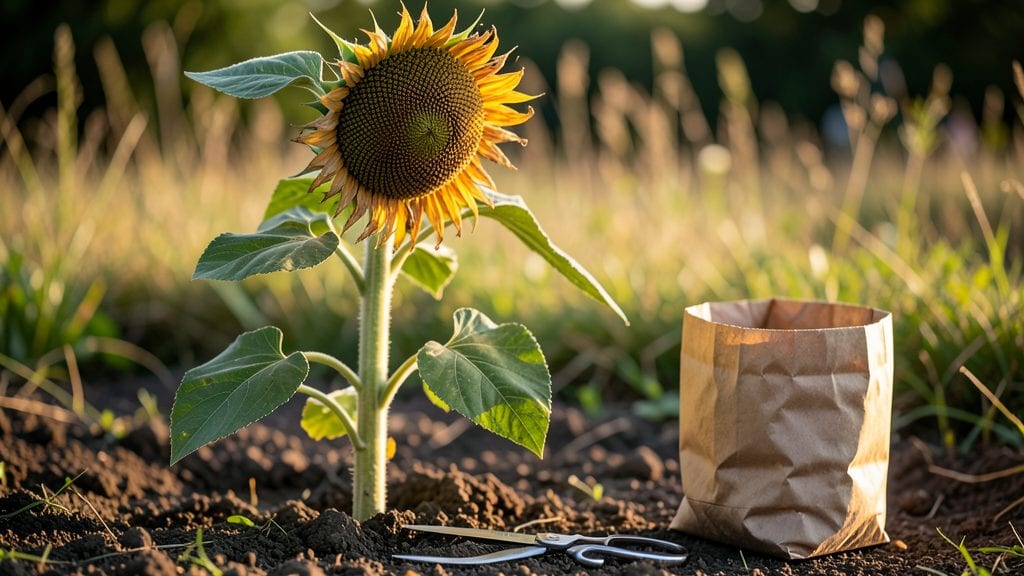
Growing sunflower seeds for cut flowers means tall stems, velvety petals, and bouquets that last weeks—not days. 🌻 I learned the hard way that not all sunflower varieties hold their shape in vases, so I focus on 'Moulin Rouge' and 'Autumn Beauty' for their sturdy stems and rich colors.
These aren’t just pretty faces; they’re the workhorses of the cut-flower garden, standing tall even after days in water.
The secret to long-lasting blooms starts with 6-8 hours of direct sun daily and well-draining soil mixed with compost. Plant seeds 1 inch deep, 6 inches apart, and thin to 18 inches once sprouts appear—crowding weakens stems and shortens vase life.
A balanced fertilizer applied at planting and again when stems thicken (about 6 weeks later) keeps them growing strong without flopping.
Harvest when the petals just begin to open—not fully bloomed—for the longest vase life. Cut stems at an angle with sharp shears, strip lower leaves, and plunge immediately in lukewarm water with a flower preservative.
Re-cut stems every few days, and you’ll get 10-14 days of fresh, sun-drenched beauty. The first bouquet from my garden last summer still stood proudly two weeks later, a testament to these simple tricks.
Even in hot climates, sunflowers thrive with consistent moisture (deep watering 2-3 times a week) and staking for windy areas. If pests like aphids appear, a strong spray of water usually knocks them off—no harsh chemicals needed.
The payoff? A garden that doubles as a florist’s studio, all from seeds you saved or bought for just a few dollars.
📚 In This Guide
- What you need
- Instructions
- Tips and common mistakes
- Wrapping up and next steps
What you need
- ● Sunflower seeds: Choose a variety known for cut flowers, like Helianthus annuus (e.g., 'Moulin Rouge' or 'Russian Giant'). Buy 10–20 seeds for a small bouquet or 50+ seeds for a full garden harvest.
- ● Well-draining potting mix: A 5-gallon bag of high-quality seed-starting mix (or a blend of 60% peat moss, 30% perlite, and 10% compost).
- ● Containers: For seedlings: 4–6 small pots (3–4 inches deep) with drainage holes.
- ● For transplanting: 1–2 large containers (12+ inches deep) or garden beds with full sun (6+ hours/day).
- ● Watering can or spray bottle: With a gentle spray nozzle for seedlings.
- ● Fertilizer: Balanced 10-10-10 fertilizer (1–2 tbsp per gallon of water) for seedlings.
- ● Slow-release granular fertilizer (e.g., 14-14-14) for mature plants (follow package rates).
- ● Pruning shears or sharp scissors: For harvesting stems (sterilize with rubbing alcohol!).
- ○ Floral preservative (optional but recommended): A bottle of commercial flower food (e.g., Floralife) or a DIY mix (1 tsp sugar + 1 tsp bleach + 1 quart water).
- ● Grow lights: LED full-spectrum bulbs if starting indoors (12–16 hours/day).
- ● Plant supports: Stakes (6–8 feet tall) or cage-like trellises for tall varieties.
- ● pH test kit: To ensure soil pH is 6.0–7.0 (sunflowers prefer slightly acidic to neutral).
- ● Mulch: Straw or wood chips to retain moisture and suppress weeds.
- ● Bucket or vase: A clean, wide-mouth container (3–5 inches wide) for arranging cut stems.
Step-by-step instructions for growing sunflowers as cut flowers
Here's how I grow sunflowers that last weeks in vases—no fancy tricks, just reliable techniques.
🌱 Step 1: Choose the Right Varieties and Prepare the Soil
For cut flowers, focus on dwarf varieties like 'Teddy Bear' or 'Moulin Rouge'—they're sturdy, produce 12-18 inch stems, and resist flopping. Avoid giant varieties; their stems snap too easily. Amend your soil with 2-3 inches of compost before planting to ensure strong root development. Sunflowers thrive in full sun and well-draining soil with a pH between 6.0 and 7.5.
I like to test soil moisture before planting—stick your finger 2 inches deep. If it feels dry, water thoroughly 24 hours before sowing. This prevents seed rot and gives roots a head start. Sunflowers are drought-tolerant once established, but they need consistent moisture during germination.
🌿 Step 2: Plant Seeds at the Right Depth and Spacing
Sow seeds ½ inch deep and 6-12 inches apart in rows 18-24 inches apart. Planting too deep delays germination, while shallow planting risks drying out seeds. I use a small stick to poke holes—it’s faster than hand-dug trenches and keeps spacing consistent. Drop 2-3 seeds per hole and thin to the strongest seedling after germination. This ensures you don’t waste seeds and have backup plants.
Watch for first true leaves (the second set after the initial cotyledons) to appear in 7-10 days. If soil stays damp but seeds don’t sprout, gently water again—sunflower seeds need 60-70°F soil temperatures to germinate. If your area is cooler, consider using a seedling heat mat for faster results.
☀️ Step 3: Provide Consistent Water and Support for Tall Stems
Water deeply once a week (about 1 inch of water) unless rainfall provides it. Shallow watering encourages weak stems that bend under bloom weight. I water at the base in the early morning to reduce evaporation and fungal risks. Sunflowers need 6-8 hours of direct sunlight daily—if they stretch toward light with pale leaves, move them to a sunnier spot or supplement with a grow light.
Install stakes or cages when plants reach 12 inches tall. I use 5-foot bamboo stakes driven 6 inches deep beside each plant, then tie stems loosely with soft twine. This prevents breakage when you harvest. Avoid tight ties—they can damage stems as plants grow. Prune lower leaves up to 12 inches from the ground to improve airflow and reduce disease risk.
✂️ Step 4: Harvest at Peak Bloom for Long-Lasting Arrangements
Cut stems when 1-2 flower buds are open but the main bloom is still closed. This is the "bud stage"—flowers at this point last 7-10 days in a vase. Use clean, sharp pruners and cut at a 45-degree angle about 6 inches from the base. Remove all lower leaves that would sit in water to prevent bacterial growth.
Place stems immediately in lukewarm water with a commercial flower preservative (like Chrysal Clearcut) or a DIY mix of 1 teaspoon bleach + 1 teaspoon sugar per quart of water. This keeps stems hydrated and extends vase life. Change water every 2-3 days and recut stems at an angle to encourage uptake. Store uncut blooms in a cool, shaded place if you won’t use them right away.
Tips & tricks for perfect sunflower cut flowers
Real talk: The secret to sunflowers that last isn't just about the growing—it's the little details that make all the difference.
Soil Prep Matters: Before planting, I always mix in 2-3 inches of compost and test soil moisture by sticking my finger 2 inches deep. If it feels dry, water thoroughly 24 hours before sowing—this prevents seed rot while giving roots a head start. The key is creating that perfect balance of moisture without waterlogging, which can suffocate seeds.
Germination Hack: Sunflower seeds need 60-70°F soil temperatures to germinate properly. If your area is cooler, I've found a seedling heat mat speeds up germination from 7-10 days to just 5-7 days. Watch for those first true leaves—they're your signal that germination succeeded. If seeds don't sprout after 10 days, gently water again and consider testing soil temperature with a thermometer.
Stem Support Strategy: Install 5-foot bamboo stakes when plants reach 12 inches tall, driving them 6 inches deep beside each plant. I use soft twine to loosely tie stems, adjusting as they grow. The trick is to avoid tight ties that can damage stems—think "gentle hug" rather than "straightjacket." Prune lower leaves up to 12 inches from the ground to improve airflow and reduce disease risk, which keeps stems strong for cutting.
Harvest Timing Secret: The "bud stage"—when 1-2 flower buds are open but the main bloom is still closed—is where the magic happens. This is when stems are fully hydrated and blooms will last 7-10 days in a vase. I always cut at a 45-degree angle about 6 inches from the base using clean, sharp pruners. This angle creates a larger surface area for water uptake, which is crucial for longevity. Remove all lower leaves that would sit in water to prevent bacterial growth that shortens vase life.
Pro Tips for Sunflower Seeds For Cut Flowers
- Real talk: The secret to sunflowers that last isn't just about the growing—it's the little details that make all the difference.
- Soil Prep Matters: Before planting, I always mix in 2-3 inches of compost and test soil moisture by sticking my finger 2 inches deep.
- Germination Hack: Sunflower seeds need 60-70°F soil temperatures to germinate properly.
Frequently asked questions
Can I grow sunflowers from store-bought seeds for cut flowers?
Store-bought sunflower seeds (like those from the snack aisle) can work, but opt for heirloom or hybrid varieties labeled for flowers—like 'Moulin Rouge' or 'Russian Giant.' Avoid treated or roasted seeds, as they won’t sprout. For best results, choose seeds from a reputable garden center or seed catalog.
How long does it take for sunflower seeds to bloom for cutting?
Sunflowers typically take 80–100 days from seed to full bloom, depending on the variety and growing conditions. Dwarf varieties may flower in as little as 60 days, while giant types can take up to 120 days. Start seeds indoors 4–6 weeks before your last frost for a head start!
What’s the best way to encourage long stems for cut flowers?
To maximize stem length, thin seedlings to 12–18 inches apart and support tall varieties with stakes early. Deadhead spent blooms to redirect energy to new flowers. Pro tip: Harvest stems in the early morning when water content is highest for longevity in vases.
Are there sunflower alternatives for cut flowers with similar ease?
Yes! Try cosmos (drought-tolerant and self-seeding), zinnia (bold colors, 60-day bloom time), or black-eyed Susan (low-maintenance and long-lasting). Like sunflowers, these thrive in full sun and produce abundant cut stems with minimal effort.
Why are my sunflower stems weak or bending over?
Weak stems often result from overcrowding, poor soil, or lack of sunlight. Ensure seeds get 6+ hours of sun daily and plant in well-draining soil. For extra support, tie stems to stakes gently with soft twine. If stems flop despite care, your variety may need staking—opt for ‘Autumn Beauty’ for sturdy blooms.
Wrapping up and next steps
Growing sunflower seeds for cut flowers is a rewarding way to add vibrant, long-lasting blooms to your home—without breaking the bank! 🌻 With just a few simple tricks, you can enjoy stunning stems that rival store-bought arrangements.
Whether you're a seasoned gardener or a beginner, these cheerful blooms are the perfect way to brighten up any space.
Ready to dive in? Start by grabbing your seeds and following the steps above—your future bouquets will thank you! Next, experiment with different varieties or try drying your sunflowers for even longer-lasting beauty. Happy growing!