
Blooming
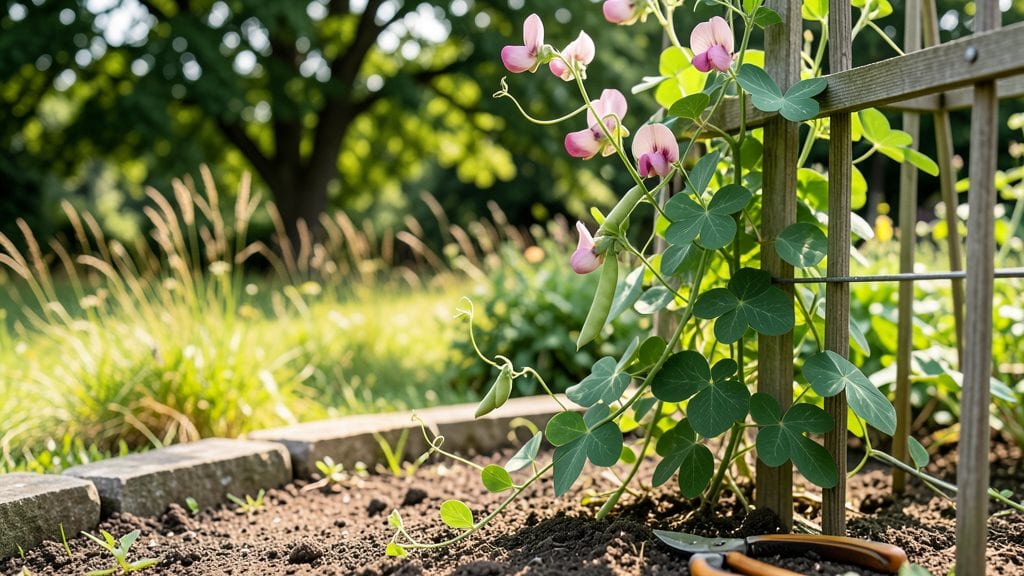
Nothing beats the Pacific Northwest’s early sweet pea flowering time, when they burst into bloom—sometimes as early as late April, if you plant them right. 🌸 I remember the first time I saw my climbing trellis explode with those delicate, fragrant flowers against the misty spring skies—it felt like nature’s own fireworks display.
The secret lies in their cold tolerance: these hardy annuals thrive in our cool, damp springs, unlike heat-loving flowers that wait until summer.
Timing is everything here. Plant seeds in late summer or early fall for a spring bloom, or sow directly in early spring for a late spring to early summer show.
The key is to avoid planting too early—sweet peas hate soggy winter soil and will rot if stuck in the ground before temperatures stabilize. In my zone 7 garden, the first flush of flowers arrives around Mother’s Day, with continuous blooms until the heat of July.
What makes sweet peas special is their long, fragrant flowering season—weeks longer than most garden flowers—if you keep them happy. Regular deadheading (snipping off spent blooms) extends the show, and a sturdy trellis prevents their vines from flopping over.
The fragrance alone is worth the effort: imagine walking past and being hit with that intoxicating, old-fashioned garden scent that bees can’t resist.
They’re not just for spring, either. In milder microclimates or with fall planting, you can coax a second bloom in late summer before frost. The trade-off?
Their delicate nature means they’re not year-round bloomers—but in the PNW, that’s not a drawback when every bloom feels like a gift after a damp winter. Let’s get those seeds in the ground!
📚 In This Guide
- What you need
- Instructions
- Tips and common mistakes
- Wrapping up and next steps
What you need
- ● Sweet Pea Seeds: Choose cold-hardy varieties like ‘Cupani’ or ‘Spencer’ (20–50 seeds per packet). Opt for heirloom or organic seeds for the best blooms!
- ● Growing Containers or Garden Bed: Containers: 6–12" deep pots (3–5 per plant) with drainage holes.
- ● Garden Beds: Well-draining soil in partial shade (4–6 hours of sunlight daily).
- ● Potting Mix or Soil: Lightweight, well-draining mix (e.g., 50% peat moss + 50% perlite or store-bought seed-starting mix).
- ● Fertilizer: Balanced, water-soluble fertilizer (10-10-10 NPK) or compost tea for organic growth.
- ● Trellis or Support: 4–6 ft tall stakes, obelisks, or netting (sweet peas are climbers!).
- ● Hand Trowel or Transplanter (for sowing/seeding).
- ● Spray Bottle (for gentle watering post-sowing).
- ● Pruning Shears (to trim dead blooms and encourage regrowth).
- ○ Cold Frame or Greenhouse (optional, for extending the growing season in chilly PNW winters).
- ○ pH Test Kit (optional but helpful—sweet peas thrive in 6.0–7.0 pH).
Step-by-step instructions for maximizing sweet pea blooms in the Pacific Northwest
Here's how to coax vibrant, cold-hardy blooms from your sweet peas—timing is everything.
🌱 Step 1: Time Your Planting for Optimal Cold Exposure
Sweet peas thrive with a cold snap before flowering. Plant seeds 8-10 weeks before your last frost date—typically mid-March in the Pacific Northwest. This gives roots time to establish before spring warmth triggers blooms. I like to start seeds indoors in late January using a seedling heat mat to speed germination.
Direct-sow outdoors after soil reaches 40°F but before it warms above 50°F. The contrast between cool soil and chilly nights primes plants for robust flowering. If you miss this window, a second planting in early July yields late-summer blooms—just accept smaller flowers.
☀️ Step 2: Provide Cool, Sheltered Growing Conditions
Sweet peas despise summer heat. Choose a site with morning sun and afternoon shade—especially in hotter inland PNW zones. A 6-foot-tall trellis placed on the north side of your garden blocks harsh afternoon rays while allowing gentle morning light. I stake mine with bamboo canes for extra support during windy coastal seasons.
Mulch heavily with 3-4 inches of straw to keep roots cool. The goal is to maintain soil temps below 70°F—any warmer and buds abort. In low-lying areas, morning fog actually helps by delaying heat stress. Watch for yellowing leaves on hot days; that’s your cue to provide afternoon shade cloth.
💧 Step 3: Water Deeply and Consistently
Sweet peas need 1-1.5 inches of water weekly, delivered at soil level—not overhead. I use a soaker hose buried 2 inches deep to prevent fungal issues. Water in the early morning when evaporation is lowest. The roots must stay moist but never soggy—drooping leaves by afternoon means you’re underwatering.
During the bud stage, increase frequency to every 4-5 days if the soil surface feels dry. Overhead watering at this point can cause bud blast—a frustrating condition where flowers drop before opening. If you notice buds wilting by midday, your plants need more shade or less water.
✂️ Step 4: Deadhead and Prune for Continuous Blooms
Remove spent flowers immediately with clean pruners to encourage new blooms. I pinch off faded blossoms at the first node below the flower head—this redirects energy to side shoots. Regular deadheading extends the season by 4-6 weeks in the PNW’s cooler climate. Never let seed pods form unless you want next year’s crop.
Prune leggy growth back by one-third in early summer to promote bushier plants. Cut just above a leaf node where new shoots will emerge. In coastal areas, I also trim back 20% of the oldest stems annually to prevent woodiness. The key is to keep plants open and airy—this prevents fungal diseases that thrive in damp PNW summers.
⏰ Step 5: Plan for Seasonal Extension
Sweet peas naturally slow in summer heat but rebound with fall cooling. In the PNW, late August plantings often produce October-November blooms before frost. Choose late-blooming varieties like 'Cupani' or 'Blue Danube' for extended color. I also interplant with pansies to bridge the gap between summer and autumn flowers.
Protect tender new growth from early frosts with frost cloth if blooms appear in late October. The plants themselves are hardy to 15°F, but open flowers won’t survive below 25°F. Harvest seed pods from the hardiest plants in November for next year’s garden—just let 2-3 pods mature per plant.
Tips & tricks for Pacific Northwest sweet pea blooms
These tried-and-true strategies will help you coax the most vibrant, cold-hardy blooms from your sweet peas—no matter where you are in the PNW.
Timing is Everything: The 8-10 week window before your last frost date is non-negotiable for spring plantings. I've learned this the hard way—planting too early means leggy, weak stems, while planting too late results in sparse blooms. For coastal areas, aim for early March plantings, while inland zones should target late March. The key is that soil must stay below 50°F for at least 4 weeks after planting to prevent premature flowering.
Cooling Strategy: Those 3-4 inches of straw mulch aren't just for looks—they create a microclimate that keeps roots below the critical 70°F threshold. I've found that adding a second layer of mulch during heatwaves (especially in July) can save budding flowers from aborting. For extra protection, drape lightweight shade cloth over trellises during afternoon sun—just remember to remove it by evening to allow cooling.
Watering Wisdom: The 1-1.5 inches weekly guideline works, but timing matters just as much. I've noticed that watering at dawn (before 8am) prevents fungal spores from splashing onto leaves, which is crucial in our damp summers. For the bud stage, I adjust to every 4-5 days only when the top inch of soil feels dry—overwatering here causes that dreaded bud blast. A moisture meter helps avoid guesswork.
Pruning Precision: When you're cutting back those leggy stems by one-third, always make your cuts just above a leaf node where new growth can emerge. I use clean pruners dipped in rubbing alcohol between cuts to prevent disease spread. The 20% annual trim for oldest stems in coastal areas might seem drastic, but it's what keeps plants vigorous through our windy seasons. And remember—never let seed pods form unless you're saving seeds!
Pro Tips for Sweet Pea Flowering Time
- These tried-and-true strategies will help you coax the most vibrant, cold-hardy blooms from your sweet peas—no matter where you are in the PNW.
- Timing is Everything: The 8-10 week window before your last frost date is non-negotiable for spring plantings.
- Cooling Strategy: Those 3-4 inches of straw mulch aren't just for looks—they create a microclimate that keeps roots below the critical 70°F threshold.
Frequently asked questions
Got questions about timing those dreamy sweet pea blooms? You’re not alone! Here are answers to the most common queries about sweet pea flowering time, especially for our chilly Pacific Northwest gardens.
When do sweet peas actually bloom in the PNW?
Sweet peas typically bloom 6–8 weeks after sowing, but timing depends on variety and climate. In the PNW, expect blooms from late spring (May) to early summer (July) if planted in fall or early spring. Hardier varieties may even rebloom with proper care!
Can I speed up flowering time?
Yes! For faster blooms, plant seeds indoors 8–10 weeks before your last frost (late winter/early spring). Use cool temperatures (50–60°F) and moisture-retentive soil—sweet peas love the PNW’s damp springs. Avoid over-fertilizing with nitrogen, which delays flowers.
Will sweet peas bloom in cold PNW winters?
Sweet peas are cold-hardy but won’t bloom in frost. Plant after the last frost (usually April–May in the PNW) for summer blooms. For fall blooms, sow seeds 6–8 weeks before your first frost (late summer). Mulch lightly to protect roots from harsh winters.
Why aren’t my sweet peas flowering?
Common culprits: too much nitrogen (focus on phosphorus/potassium), overcrowding (thin plants to 6–12 inches apart), or lack of support (trellises encourage blooming). Also check for pests like aphids or powdery mildew—spray with neem oil if needed.
Are there early-blooming sweet pea varieties for the PNW?
Try ‘Early Sweet’ or ‘Cupani’ varieties—they bloom 4–6 weeks earlier than standard types. For continuous color, mix early (spring) and late (summer/fall) varieties like ‘Blackbird’ or ‘Painted Lady’.
Wrapping up and next steps
Understanding your sweet pea’s flowering time in the Pacific Northwest is the first step to unlocking a garden bursting with color!
With the right variety, timing, and care—like choosing cold-hardy types or providing support for climbing vines—you’re well on your way to a stunning, fragrant display. Now’s the perfect moment to grab those seeds, sketch out your trellis, and let nature’s sweetest blooms take center stage! 🌸
Ready to dive in? Start by selecting your sweet pea varieties and marking your calendar for early spring planting—your future floral masterpiece awaits!