
Flowers
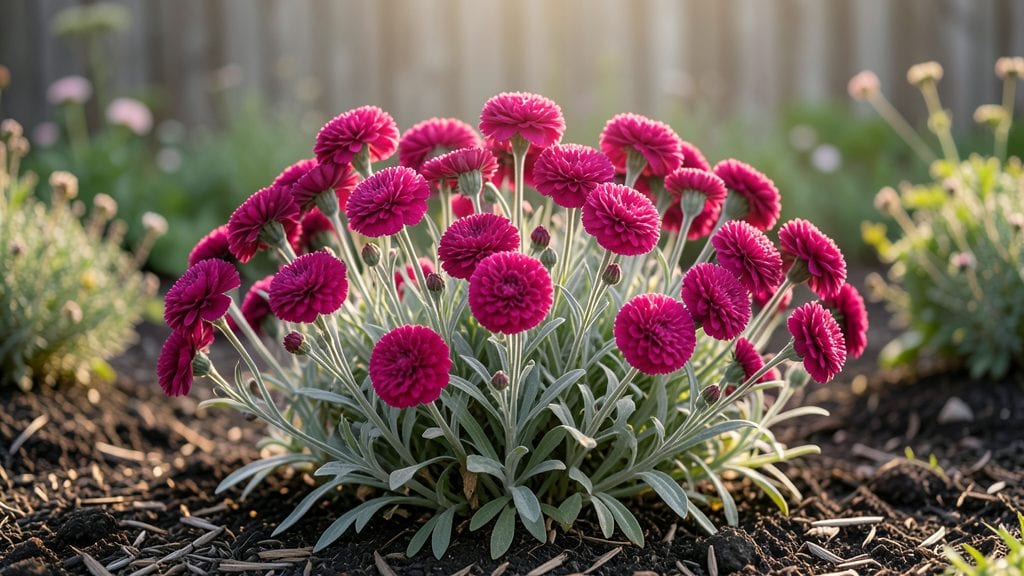
Double-flowered Sweet William turns your garden into a fragrant, velvety dream—those layered petals look like tiny starbursts, and they keep blooming all summer long. 🌸 I remember the first time I saw them in a neighbor’s yard, and I was hooked by how their scent lingers in the evening air, drawing bees and butterflies like a magnet.
The secret to their performance isn’t complicated: they love well-draining soil, full sun, and a little deadheading to keep them producing.
Start with seeds in early spring, about 6 weeks before your last frost, or plant young plants in fall for a head start. Double varieties need slightly more phosphorus in the soil—think bone meal or composted manure—to support all those extra petals.
They’re tougher than they look, too: once established, they handle drought better than most annuals, though I still water mine when the soil feels dry an inch down.
By mid-summer, you’ll have clusters of blooms that last for weeks, their colors ranging from soft pink to deep crimson. The key to long-lasting flowers is pruning spent blooms regularly—this encourages new growth and keeps the plants bushy.
I’ve had mine rebloom into early fall with just a little care, and the fragrance at dusk is unbeatable.
Perfect for cottage gardens, cutting arrangements, or even container plantings on patios. They self-seed lightly, so you might get surprises popping up next year—just thin them out to give your favorites room to shine. Let’s get those starbursts growing!
📚 In This Guide
- What you need
- Instructions
- Tips and common mistakes
- Wrapping up and next steps
What you need
- ● Seeds: High-quality Dianthus barbatus (Sweet William) double-flowered seeds (1 packet, ~50 seeds).
- ● Potting Mix: Well-draining, organic potting soil (5-gallon bag). Look for a blend with perlite or sand for aeration.
- ● Containers or Garden Bed: For seedlings: 4-inch biodegradable pots (10–12 pots) or a seed-starting tray.
- ● For transplanting: 6-inch pots (10–12 pots) or a garden bed with full sun (6+ hours/day) and well-draining soil.
- ● Fertilizer: Balanced, water-soluble fertilizer (e.g., 10-10-10) or organic compost (e.g., worm castings).
- ● Watering Can or Spray Bottle: With a fine rose attachment for gentle watering.
- ● Hand Trowel: For transplanting seedlings.
- ● Pruning Shears: Sharp, clean shears for deadheading or shaping plants.
- ● Gloves: Lightweight gardening gloves to protect hands from soil and thorns.
- ○ Optional (but helpful!): Mulch (e.g., straw or shredded bark) to retain moisture.
- ● Plant labels for tracking varieties.
- ● Grow lights (if starting seeds indoors before last frost).
Step-by-Step instructions for growing double flowered Sweet William
Here's how to coax those lush, fragrant clusters into full bloom—no fuss, just fragrance.
🌱 Step 1: Choose the Perfect Planting Spot
Sweet William thrives in full sun to partial shade, with at least 6 hours of direct sunlight daily. I always pick a spot where it gets morning sun and afternoon shade in hot climates—this prevents the flowers from scorching. The soil should drain well but retain moisture; amending heavy clay with 2-3 inches of compost works wonders.
Here's the thing—Sweet William hates soggy roots. If your soil stays wet for more than a day after rain, raise the planting area by 2-3 inches with a mound of soil or use containers with drainage holes. You'll know you've got it right when the soil feels like a damp sponge, not a mud puddle.
🌱 Step 2: Plant at the Right Time and Depth
Plant double flowered Sweet William in early spring after the last frost date, or in late summer for fall blooms. Dig holes twice as wide as the root ball but only as deep—burying too deep suffocates the plant. Space them 12-18 inches apart; closer spacing leads to crowded stems and fewer blooms.
Gently tease the roots apart if they're circling in the pot, then place the plant in the hole. Fill with soil, firming lightly around the base, but don't pack it down. Water deeply right after planting to settle the soil and eliminate air pockets. You'll see the first true leaves emerge within 2-3 weeks—that's your signal everything's on track.
☀️ Step 3: Water and Feed for Continuous Blooms
Water once a week during the first growing season, aiming for 1 inch of water per week. Let the top 2 inches of soil dry out between waterings—this prevents root rot while keeping the plants hydrated. In hotter months, you might need to water every 4-5 days, but always check the soil first.
Feed with a balanced, water-soluble fertilizer (10-10-10) every 4-6 weeks during the growing season. I swear by a half-strength dose—too much fertilizer burns the roots and reduces fragrance. Deadhead spent blooms regularly to encourage new flowers; pinch off the faded clusters with your fingers or small pruners. You'll notice fresh buds forming within 2-3 weeks of consistent deadheading.
✂️ Step 4: Prune for Shape and Longevity
Prune Sweet William after the first flush of blooms to encourage a second round of flowers. Cut back the stems by one-third to promote bushier growth. Use clean, sharp pruners and make cuts just above a leaf node—this prevents disease and encourages new shoots.
Real talk: If you skip pruning, the stems get woody and leggy, and the flowers become sparse. I like to do a light trim every 6-8 weeks throughout the growing season. This keeps the plant compact, improves airflow, and reduces the risk of fungal issues. After pruning, give the plant a drink of water to help it recover.
⏰ Step 5: Overwinter for Year-Round Blooms
Sweet William is perennial in USDA zones 3-8. In colder zones, mulch the base with 2-3 inches of straw or shredded leaves after the first frost to protect the roots. In warmer zones, provide light shade during peak summer heat to prevent stress.
Here's where it gets fun—if you live in a mild climate, your Sweet William can bloom year-round with minimal care. Just keep deadheading and fertilizing lightly, and you'll enjoy those fragrant clusters well into autumn. In colder areas, the plants will die back but return stronger in spring. You'll know it's ready to bloom again when new shoots emerge in early spring.
Tips & tricks for perfect Sweet William double flowered blooms
A few insider tricks to help your fragrant Sweet William thrive and produce those stunning double blooms year after year.
Sunlight Strategy: That crucial 6 hours of sunlight in Step 1 is non-negotiable for double blooms. I've found that positioning plants slightly east of south maximizes morning sun while avoiding harsh afternoon rays. If you notice leaves scorching, move plants to partial shade for the afternoon—this preserves the delicate petals' color and fragrance.
Planting Depth Secret: The "burying too deep suffocates" warning in Step 2 is critical—root collars should sit just above soil level. I always use a pencil to mark the depth before planting, then check it after backfilling. Too-deep planting leads to stem rot, while too-shallow planting causes instability. Think "eyeball level" for the crown.
Watering Wisdom: The 1-inch weekly watering guideline in Step 3 is perfect, but timing matters too. Water in the morning so leaves dry quickly, preventing fungal issues. I use a rain gauge to track weekly totals—overwatering is the #1 killer of Sweet William's fragrance. Let that top 2 inches dry completely between waterings to prevent soggy roots.
Pruning Payoff: That one-third prune after the first flush in Step 4 isn't just about shape—it's about forcing the plant to produce more side shoots. I make diagonal cuts just above leaf nodes to encourage branching. After pruning, I always give plants a deep watering to help them recover quickly. This single step can triple your bloom count!
Pro Tips for Sweet William Double Flowered
- A few insider tricks to help your fragrant Sweet William thrive and produce those stunning double blooms year after year.
- Sunlight Strategy: That crucial 6 hours of sunlight in Step 1 is non-negotiable for double blooms.
- Planting Depth Secret: The "burying too deep suffocates" warning in Step 2 is critical—root collars should sit just above soil level.
Frequently asked questions
Got questions about growing Sweet William double flowered varieties? You’re not alone! Here are answers to the most common queries—from planting tips to troubleshooting—so you can enjoy those fragrant, starburst blooms all year.
When is the best time to plant double-flowered Sweet William?
For most climates, plant Dianthus barbatus in early spring (after the last frost) or late summer (6–8 weeks before the first frost). This timing ensures roots establish before extreme heat or cold. In mild zones, fall planting can also work—just avoid soggy soil!
Why aren’t my double-flowered Sweet William blooms lasting long?
Double blooms often sacrifice longevity for their lush, layered petals. To extend their life:
- Deadhead spent flowers regularly to encourage reblooming.
- Water at the base (not leaves) to prevent fungal rot.
- Plant in partial shade—full sun can scorch petals faster.
Can I grow double-flowered Sweet William in containers?
Choose a 5–7 inch pot with drainage holes and a well-draining mix (add perlite or sand). Varieties like ‘Black Prince’ thrive in containers but may need monthly fertilizer (half-strength) to compensate for limited soil nutrients. Rotate pots occasionally for even sun exposure.
What pests or diseases should I watch for with double-flowered types?
Double blooms are more susceptible to powdery mildew and aphids due to dense foliage. Preventive tips:
- Space plants 12–18 inches apart for airflow.
- Spray leaves with neem oil if aphids appear.
- Avoid overhead watering to deter mildew.
Are there fragrant double-flowered Sweet William alternatives?
If you love the scent but want longer-lasting blooms, try:
- Stock (Matthiola incana) – Fragrant, heat-tolerant, and great for cutting.
- Dianthus ‘Firewitch’ – Semi-double blooms with a spicy fragrance.
- Sweet Alyssum – Tiny, honey-scented flowers that attract pollinators.
Wrapping up and next steps
Growing double-flowered Sweet William is a rewarding journey that brings bursts of fragrant color to your garden year-round! With the right care—sunlight, well-draining soil, and consistent watering—you’ll enjoy lush, vibrant blooms that attract pollinators and add charm to any space. 🌸
Now that you’re armed with tips and answers to common questions, take the next step: grab your gardening tools, pick a sunny spot, and plant your Sweet William seeds or cuttings. Watch your garden transform into a fragrant paradise—one bloom at a time!