
Shrubs
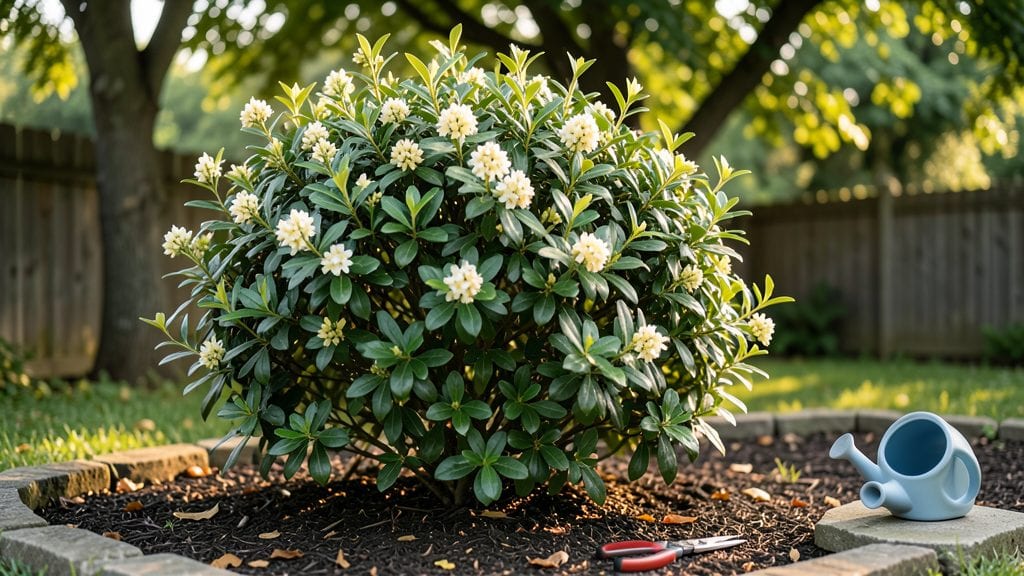
The tea olive flowering shrub brings the Pacific Northwest's forests into your yard with its fragrant, jasmine-like blooms that hummingbirds and bees adore. 🌿 I planted mine last spring after years of admiring it in neighbors' gardens—it thrives where many shrubs struggle, with minimal fuss and maximum impact.
The glossy evergreen leaves add year-round structure, while the tiny white flowers perfume the air in late spring, lasting for weeks.
This shrub loves morning sun and afternoon shade, making it perfect for understory planting or along north-facing fences. Well-draining soil is key—amend heavy clay with compost to prevent root rot, and avoid soggy spots. Water deeply once a week after establishment, as tea olive tolerates drought better than overwatering.
The real secret? No pruning needed unless you want to shape it—it grows slowly at 12-18 inches per year, staying compact without aggressive trimming.
By summer's end, you'll have a pollinator hotspot that outshines many ornamentals while requiring less care than roses or hydrangeas. The flowers attract beneficial insects, and the dense foliage provides shelter for birds.
Even in rainy PNW winters, it stays lush and disease-free—just avoid late-season pruning that exposes tender new growth to frost.
Ideal for small spaces, hedges, or woodland gardens, this shrub adapts to urban and rural settings alike. Start with a 2-3 gallon container plant for fastest results, or grow from seed if you're patient—just know it takes 3-5 years to flower.
The payoff? A fragrant, evergreen centerpiece that works harder than any other shrub in your yard.
📚 In This Guide
- What you need
- Instructions
- Tips and common mistakes
- Wrapping up and next steps
What you need
- ● Tea Olive Shrub: 1–3 nursery-grown plants (3–5 ft tall, 3–4 ft wide at maturity)
- ● Choose Osmanthus × burkwoodii (hardy to USDA Zones 7–9)
- ● Ensure roots are moist but not waterlogged (ask for "bare-root" or "container-grown" options)
- ● Soil Amendments: 5–10 lbs of well-draining potting mix (or native soil + 30% compost)
- ● 1 lb of perlite or coarse sand (for drainage)
- ○ Optional: 1 lb of slow-release fertilizer (10-10-10 ratio)
- ● Planting Supplies: 1 gardening trowel or spade
- ● 1 5-gallon bucket (for mixing soil amendments)
- ○ 1 roll of landscape fabric (3 ft wide, optional for mulching)
- ● Basic Tools: Pruning shears (for shaping or post-planting cleanup)
- ● Watering can or hose with a gentle spray nozzle
- ● Gloves (to protect hands from thorns or soil)
- ● Prerequisites: Full sun to partial shade (6+ hours of sunlight daily)
- ● Well-draining soil (tea olives hate soggy roots!)
- ● Space allowance: 6–8 ft apart for mature shrubs
- ○ Bonus Pollinator Boosters (Optional): Native wildflower seeds (to attract bees and butterflies)
- ● A small bird feeder (tea olives host birds like warblers!)
- ● Epsom salt (1 tbsp/month for magnesium-rich foliage)
Step-by-Step guide to planting and maintaining tea olive flowering shrubs
Here's how to establish these drought-tolerant pollinator favorites in your Pacific Northwest garden.
🌱 Step 1: Choose the Perfect Planting Location
Tea olive thrives in full sun to partial shade, making it ideal for Pacific Northwest gardens where afternoon shade helps prevent leaf scorch. Look for spots with well-draining soil—these shrubs hate soggy roots. I always test drainage by digging a 12-inch deep hole and filling it with water; if it drains within an hour, the site's ready.
Elevated areas or slopes work best, especially in rainy climates. Avoid low spots where water pools after heavy rains. The shrub's natural range includes coastal areas, so it tolerates some wind exposure but prefers sheltered spots for best flowering performance.
🪴 Step 2: Prepare the Planting Site
Amend the native soil with 2-3 inches of compost mixed into the top 12 inches of soil to improve fertility without altering drainage. Tea olive adapts well to poor soil but responds beautifully to organic matter. I use a garden fork to loosen the soil thoroughly, breaking up any compacted layers.
Dig a hole twice as wide as the root ball but no deeper—planting too deep suffocates the roots. Remove the shrub from its container and gently tease apart any circling roots. This encourages outward growth rather than root-bound stress. The key is to handle roots carefully while ensuring they spread naturally in the new soil.
☀️ Step 3: Plant and Initial Watering
Position the shrub so the top of the root ball sits 1 inch above ground level. This prevents soil from settling and burying the stem over time. Backfill with native soil mixed with compost, tamping gently to eliminate air pockets. Water immediately after planting to settle the soil and eliminate air gaps around roots.
Give the shrub 1 gallon of water per week for the first 4-6 weeks to establish roots, but avoid waterlogging. You'll know it's getting enough moisture when the soil feels damp 2 inches below the surface. Mulch with 2-3 inches of wood chips to conserve moisture and regulate soil temperature—critical in Pacific Northwest's cool, damp summers.
🌿 Step 4: Prune and Maintain for Optimal Growth
Prune tea olive in late winter or early spring before new growth begins. Remove any dead, damaged, or crossing branches first, then shape the shrub by cutting back 1/3 of the oldest growth to encourage bushier growth. I always use clean, sharp pruners to make cuts just above a leaf node or bud.
Fertilize lightly in early spring with a balanced 10-10-10 fertilizer applied at half strength. Tea olive is drought-tolerant once established but benefits from occasional feeding. Watch for signs of nutrient deficiency—yellowing leaves indicate nitrogen needs, while sparse flowering suggests phosphorus should be increased.
⏰ Step 5: Seasonal Care for Year-Round Health
In summer, reduce watering to every 2-3 weeks unless experiencing extreme heat. Tea olive's silvery foliage helps it conserve moisture naturally. Prune lightly after flowering to maintain shape and encourage next year's blooms. The shrub's fragrant flowers attract pollinators, making it a valuable addition to any Pacific Northwest garden.
During winter, no special care is needed beyond protecting young plants from heavy frost. Mature tea olives handle Pacific Northwest winters beautifully, withstanding temperatures down to 15°F once established. The shrub's evergreen nature provides year-round interest and structure in the landscape.
Tips & tricks for perfect tea olive flowering shrubs
Between us, these shrubs are the unsung heroes of Pacific Northwest gardens—here's how to make them thrive with minimal fuss.
Soil Test Tip: Before planting, do the "sponge test" in Step 1—if water drains slower than an hour in your 12-inch hole, amend with extra perlite or coarse sand to improve drainage. Tea olive roots will thank you by staying healthy and flowering prolifically. The key is mimicking their native coastal habitats where water moves quickly through sandy soils.
Root Handling Technique: When teasing apart circling roots in Step 2, I use my fingers to gently separate them like unraveling a ball of yarn. This prevents root damage while encouraging outward growth. Avoid pulling or forcing roots—think "massage" not "yank." The goal is to create a natural root spread that mirrors how they'd grow in the wild.
Watering Wisdom: During the critical 4-6 week establishment period in Step 3, I check moisture by sticking my finger 2 inches deep—if it feels dry, water thoroughly. The 1 gallon per week guideline works for average PNW summers, but adjust for container plants (they dry faster) or particularly hot spells. Mulch acts like a moisture blanket, so keep that 2-3 inch wood chip layer intact.
Pruning Precision: When cutting back 1/3 of oldest growth in Step 4, always make clean cuts just above a leaf node or bud. This encourages new growth while maintaining the shrub's natural shape. I use sharp pruners and make cuts at a 45-degree angle to prevent water from pooling on the stem—this simple technique reduces disease risk dramatically.
Pro Tips for Tea Olive Flowering Shrub
- Between us, these shrubs are the unsung heroes of Pacific Northwest gardens—here's how to make them thrive with minimal fuss.
- Soil Test Tip: Before planting, do the "sponge test" in Step 1—if water drains slower than an hour in your 12-inch hole, amend with extra perlite or coarse sand to improve drainage.
- Root Handling Technique: When teasing apart circling roots in Step 2, I use my fingers to gently separate them like unraveling a ball of yarn.
Frequently asked questions
How fast does a tea olive shrub grow?
A tea olive (Osmanthus burkwoodii) grows at a moderate pace, typically adding 12–24 inches per year under ideal conditions. In the PNW’s mild climate, expect steady growth with minimal fuss. Prune lightly in late winter to shape it without stunting its progress—just avoid heavy cuts, which can delay flowering.
When will my tea olive flower?
With patience! Young shrubs may take 2–3 years to bloom, but mature plants (3+ years) reward you with fragrant white flowers in late spring to early summer. For faster blooms, ensure it gets full sun to partial shade and well-drained soil. Pro tip: Deadhead spent flowers to encourage repeat blooming!
Why aren’t bees visiting my tea olive?
Tea olives are pollinator magnets, but a few factors might deter bees:
- Timing: Flowers bloom briefly—check bloom cycles and plant bee-friendly neighbors like lavender or salvia.
- Pesticides: Avoid chemicals; opt for neem oil or insecticidal soap if pests appear.
- Location: Place it near sunny, sheltered spots where bees forage.
If issues persist, hand-pollinate flowers with a soft brush for extra help!
Can tea olive survive PNW winters?
This shrub is hardy to USDA Zones 7–9, making it perfect for the PNW’s mild but wet winters. Mulch around the base with 3–4 inches of wood chips to protect roots from freeze-thaw cycles. Young plants may need winter wrap in harsh microclimates, but mature shrubs handle frost like a champ.
What’s a good alternative if tea olive doesn’t thrive?
If your site lacks ideal conditions (e.g., shady spots or poor drainage), consider these low-maintenance PNW shrubs:
Shrub
Why It’s Similar
Care Level
Pieris japonica (Andromeda)
Fragrant spring blooms, evergreen, pollinator-friendly
Moderate (prefers acidic soil)
Viburnum dentatum (Arrowwood)
Tough, white flowers, wildlife magnet
Low (handles shade/drought)
Rhododendron (Azalea)
Showy blooms, loves PNW’s acidity
Moderate (needs consistent moisture)
Pro tip: Test your soil’s pH—tea olive prefers slightly acidic (6.0–7.0), while alternatives may vary.
Wrapping up and next steps
Transforming your Pacific Northwest garden into a buzzing pollinator paradise doesn’t have to be complicated—thanks to the tea olive flowering shrub! 🌿 With its drought tolerance, minimal care, and stunning blooms, this shrub is a game-changer for both beginners and seasoned gardeners.
Whether you’re drawn to its easy-growing nature or its role in supporting local ecosystems, it’s a win-win for your outdoor space.
Ready to take the next step? Plant one today and watch your garden thrive while attracting bees, butterflies, and birds. Need help picking the perfect spot? Review the requirements or browse common questions—your pollinator-friendly oasis awaits!