
Shrubs
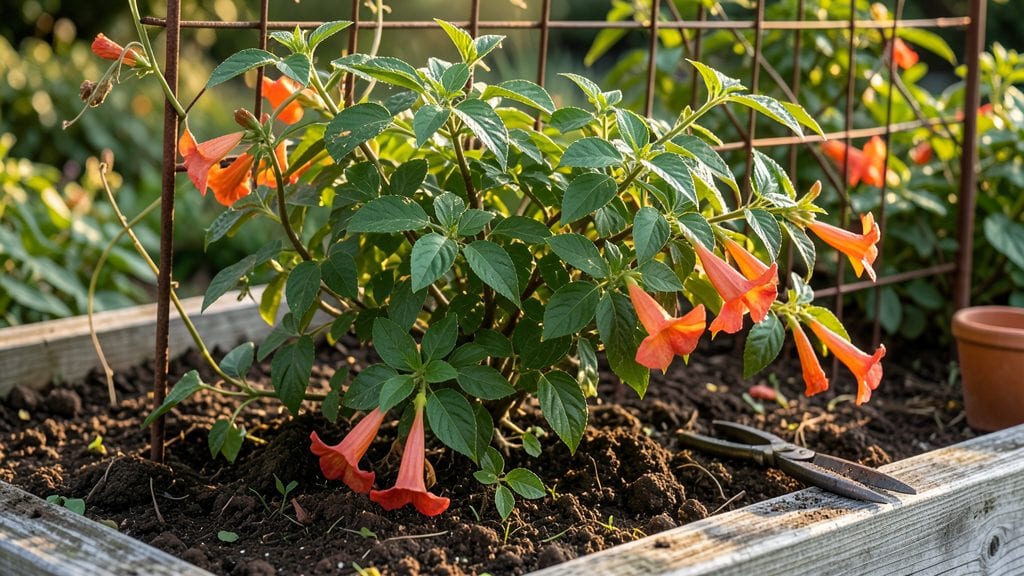
Trumpet vine flowering transforms your Pacific Northwest garden into a fiery spectacle—bright orange-red blooms that hum with bees from early summer through frost. 🌿 I've watched mine climb trellises like a living waterfall, and the secret isn't just sunlight or water, but knowing exactly when to prune and feed for nonstop color.
The key starts with full sun—at least 6 hours daily—and well-draining soil rich in organic matter. My vine thrives in sandy loam, but it tolerates clay if amended with compost.
Water deeply once established, but never let it sit soggy—root rot shuts down blooms faster than anything else.
Prune strategically: cut back one-third of old growth in late winter to encourage fresh, flowering stems. Feed with balanced fertilizer in early spring, then switch to low-nitrogen, high-phosphorus when buds form. The result? Blooms from June until hard frost, with some varieties even flowering lightly in winter if protected.
Common mistakes? Overwatering in winter or skipping spring pruning. Both lead to leggy growth and fewer blooms. But get it right, and your trumpet vine becomes the bold centerpiece that neighbors admire—and hummingbirds adore.
📚 In This Guide
- What you need
- Instructions
- Tips and common mistakes
- Wrapping up and next steps
What you need
- ● Trumpet Vine Seeds or Young Plants: Seeds: 5–10 (for direct sowing) or 2–3 (for transplanting). Opt for Campsis radicans (native to the PNW) or Campsis grandiflora (for milder climates).
- ● Young Plants: 1–2 mature plants (3–5 feet tall) for faster flowering.
- ● Well-Draining Soil Mix: 50% native PNW soil (sandy loam or clay-loam).
- ● 30% compost (aged, 2–3 inches mixed in).
- ● 20% perlite or coarse sand (to prevent waterlogging).
- ● Support Structure: Trellis (6–8 feet tall), arbor, or sturdy fence (trumpet vines can climb aggressively—plan for 10+ feet of vertical space!).
- ● Bamboo stakes (for young plants) or a strong chain-link fence (if natural support isn’t available).
- ● Fertilizer: Balanced granular fertilizer (10-10-10) or slow-release organic options like fish emulsion or composted manure.
- ● Quantity: 1–2 cups per plant (sprinkle around the base, not directly on roots).
- ● Mulch: 3–4 inches of wood chips, straw, or pine needles (to retain moisture and suppress weeds).
- ● Garden gloves (heavy-duty, for thorny vines!).
- ● Trowel or hand shovel (for digging).
- ● Pruners (sharp, sterilized—trumpet vines bleed orange sap!).
- ● Watering can or hose with a gentle spray nozzle.
- ○ Optional but Helpful: Soil pH tester (ideal range: 6.0–7.0).
- ● Epsom salt (for magnesium boost, if leaves show yellowing).
- ● Drip irrigation kit (for consistent moisture in dry PNW summers).
- ● Sunlight: Full sun (6+ hours daily). Trumpet vines thrive in the PNW’s brightest spots!
- ● Water: Deep watering 2–3 times per week (more in summer). Drought-tolerant once established, but young plants need consistent moisture.
- ● Climate Notes: Hardy to USDA Zones 4–9 (with winter protection in colder PNW microclimates).
- ● Avoid frost pockets—trumpet vines hate cold snaps!
How to encourage vibrant trumpet vine flowering in the Pacific Northwest
This hardy climber thrives with the right care—here’s how to unlock its signature starburst blooms.
🌱 Step 1: Plant in Full Sun and Well-Draining Soil
Trumpet vine (Campsis radicans) demands 6+ hours of direct sunlight daily—the more, the better. In the Pacific Northwest’s damp climate, choose a south-facing wall or trellis where it gets unobstructed afternoon sun. The vine tolerates partial shade but will produce fewer blooms.
Amend native soil with 3-4 inches of compost to improve drainage. Trumpet vine hates soggy roots, so avoid low-lying areas where water pools. If your soil is heavy clay, mix in 1 part perlite per 3 parts soil to prevent root rot. The vine’s deep roots will reward you with bold, repeat blooms all season.
☀️ Step 2: Prune Strategically for Airflow and Light Penetration
Prune in late winter or early spring before new growth begins. Remove 1/3 of the oldest stems at the base to encourage fresh, vigorous growth. This prevents the vine from becoming overcrowded and ensures better sunlight exposure for developing flowers.
After flowering, trim back spent blooms but avoid heavy pruning in fall—this stimulates new growth that won’t harden off before winter. The vine’s orange-red tubular flowers thrive when stems receive circulation and light. Thin out crossing branches to reduce disease risk, especially in the PNW’s humid summers.
💧 Step 3: Water Deeply but Sparingly After Establishment
Young trumpet vines need consistent moisture during their first growing season. Water 1-2 times per week until roots establish, keeping the soil evenly moist but not waterlogged. Once established, the vine is drought-tolerant and only needs water during prolonged dry spells—typically every 2-3 weeks in summer.
Overwatering is the biggest mistake—yellowing leaves or wilting signal root stress. Let the top 2-3 inches of soil dry out between waterings. Mulch with 2-3 inches of wood chips to retain moisture and suppress weeds, but keep mulch 6 inches away from the stem to prevent rot.
✂️ Step 4: Fertilize Lightly for Blooms, Not Foliage
Feed trumpet vine in early spring with a balanced, slow-release fertilizer (10-10-10). Use half the recommended dose—too much nitrogen promotes leafy growth at the expense of flowers. Scatter the fertilizer 6 inches from the base and water it in deeply to avoid burning roots.
Skip summer fertilizing unless the vine shows signs of stress (pale leaves or sparse blooms). Trumpet vine is not a heavy feeder—it thrives on native soil fertility once established. In fall, avoid fertilizing entirely to encourage winter hardiness in the PNW’s cool climate.
🪴 Step 5: Support and Train for Optimal Flower Display
Install a strong trellis, arbor, or fence before planting—trumpet vine can grow 20-30 feet per year and needs sturdy support. Train young vines with soft ties to guide them upward. The more vertical growth, the more visible blooms you’ll see cascading downward.
If growing against a wall, space 3-4 vines per 10-foot section to create a lush, flowering curtain. Prune aggressively in winter to shape the vine and remove weak growth. A well-supported trumpet vine will burst into color from late spring through fall, even in the PNW’s cooler summers.
Tips & tricks for encouraging trumpet vine flowering
Here's what nobody tells you about coaxing those vibrant trumpet vine blooms—especially in the Pacific Northwest's tricky climate.
Sunlight Strategy: While 6+ hours of direct sun is the rule, I've found that trumpet vines planted against west-facing walls in the PNW actually produce more blooms because they get that intense late-afternoon sunlight without the stress of midday heat. If your vine is in partial shade, supplement with a portable grow light for 2-3 hours daily during cloudy periods—this makes all the difference for flower production.
Pruning Precision: When you remove that 1/3 of oldest stems in late winter, don't just cut randomly—look for stems that are thicker than your thumb. These are the ones that have already done their job and are now competing with younger growth for nutrients. Cutting them back creates space for new, more productive stems to develop. I also recommend sterilizing your pruners with rubbing alcohol between cuts to prevent spreading any potential diseases.
Watering Wisdom: The "2-3 inches of dry soil" rule is perfect, but here's the secret: check moisture in the morning when soil is naturally cooler. In the PNW's humid summers, surface soil can stay damp even when roots are dry. Stick your finger 3 inches down—if it feels dry, that's your cue to water. Overwatering is especially dangerous here because our clay-heavy soils don't drain well, and trumpet vines hate soggy roots.
Fertilizer Fine-Tuning: That half-dose of 10-10-10 in early spring is crucial, but I've noticed the PNW's cooler soils often need a little phosphorus boost. If your vine isn't flowering well, try adding a handful of bone meal (which is high in phosphorus) to the soil in early spring alongside your regular fertilizer. This helps promote those showstopping blooms without encouraging too much leafy growth. Just be sure to water it in well to prevent root burn.
Pro Tips for Trumpet Vine Flowering
- Here's what nobody tells you about coaxing those vibrant trumpet vine blooms—especially in the Pacific Northwest's tricky climate.
- If your vine is in partial shade, supplement with a portable grow light for 2-3 hours daily during cloudy periods—this makes all the difference for flower production.
- Pruning Precision: When you remove that 1/3 of oldest stems in late winter, don't just cut randomly—look for stems that are thicker than your thumb.
Frequently asked questions
When do trumpet vines flower in the Pacific Northwest?
Trumpet vines typically bloom from mid-summer (July) through early fall (September), with some varieties extending into late fall if temperatures stay mild. In the PNW’s cooler climate, expect vibrant flowers to appear later than in warmer regions—sometimes as late as August. Choose early-blooming cultivars like ‘Madame Galen’ for a head start!
Why isn’t my trumpet vine flowering this year?
Common culprits include insufficient sunlight (they need 6+ hours of direct sun daily), over-fertilizing with high nitrogen (which encourages foliage over flowers), or young age (vines under 2 years may not bloom yet). Prune leggy growth in early spring to encourage bushier, flower-rich stems. Pro tip: A light phosphorus-rich fertilizer in early spring can boost blooms!
Can I force trumpet vines to flower earlier or later?
While you can’t drastically alter their natural timeline, you can extend the season! Prune spent blooms regularly to encourage reblooming, and mulch heavily in fall to protect roots from frost—this may coax a few late-season flowers. For earlier blooms, plant in a south-facing, sheltered spot and avoid heavy winter pruning, which can delay flowering.
Are trumpet vines invasive? Should I worry about them spreading?
Trumpet vines (Campsis radicans) are not invasive in the PNW like English ivy, but they can spread aggressively via seed pods and self-seeding. To control growth, remove seed pods before they burst (wear gloves—they’re sticky!) and prune suckers in early spring. Opt for ‘Flava’ (yellow flowers) or ‘Apple Blossom’ (pink blooms) for slightly less vigorous varieties.
What’s a good alternative if trumpet vines don’t thrive in my garden?
If your site lacks sun or has poor drainage, try these PNW-friendly climbers with bold flowers:
- Clematis (varieties like ‘Jackmanii’ for shade tolerance)
- Honeysuckle (‘Annapolis’ for fragrant blooms and hummingbirds)
- Star jasmine (‘Girard’s’ for white, jasmine-scented flowers)
- Climbing roses (e.g., ‘New Dawn’ for repeat blooms)
These offer similar vertical drama with fewer maintenance headaches!
Wrapping up and next steps
Watching your trumpet vine flowering burst into vibrant life is a rewarding experience—especially in the Pacific Northwest’s lush landscapes! 🌸 With the right care, this bold climber will dazzle you with year-round color, from fiery red blooms to lush foliage.
Whether you’re a seasoned gardener or just starting, the key is patience, proper support, and a little TLC.
Ready to turn your garden into a showstopper? Start small: plant a single vine, experiment with pruning, or even share tips with fellow plant lovers! The next step? Grab your pruners, sketch a trellis plan, and let nature’s fireworks begin. 🌿✨