
Pruning
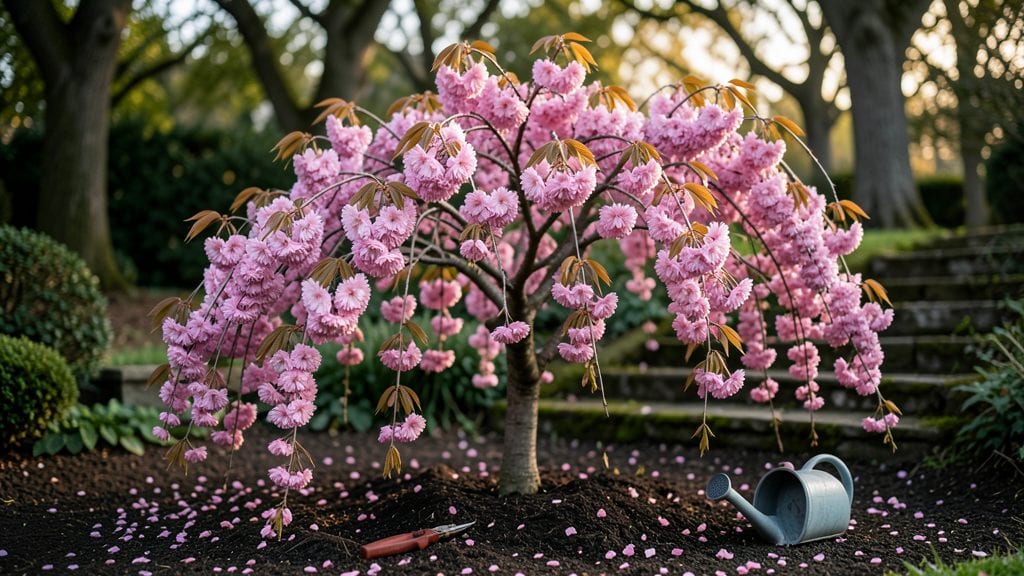
Transforming your yard into a springtime dream starts with mastering the weeping Japanese flowering cherry tree—its graceful arcs and clouds of blossoms will steal every neighbor's heart.
I planted mine five years ago, and the difference between my first clumsy pruning attempt and last year's showstopper display taught me everything I needed to know about timing and technique.
The key to those cascading branches and endless blooms? Pruning in late winter or early spring, when the tree is still dormant but about to burst into life. You'll need sharp pruners, a ladder (for higher branches), and about 30 minutes to shape it properly—no advanced horticulture degree required.
This tree thrives in full sun with well-draining soil, and once established, it handles drought better than most.
What you end up with is a tree that looks like a living watercolor painting, with pink or white blossoms that appear before the leaves and last for weeks. The secret is thinning out crowded branches to improve airflow, which keeps the blooms abundant and the foliage healthy.
Even in humid climates, proper pruning reduces the risk of fungal issues that can plague these delicate beauties.
Works beautifully as a standalone specimen or paired with other ornamental trees. The best part? With the right care, your weeping cherry will reward you with year-round interest—from spring blooms to summer shade and autumn color. Let's get those branches looking their best!
📚 In This Guide
- What you need
- Instructions
- Tips and common mistakes
- Wrapping up and next steps
What you need
- ● Pruning shears: Bypass pruners (sharp, 6–8-inch blades) for clean cuts on small branches.
- ● Loppers: 18–24-inch bypass loppers for thicker branches (up to 2 inches in diameter).
- ● Pruning saw: Curved-tooth saw for branches over 2 inches thick (avoid crushing sap).
- ● Gloves: Heavy-duty, cut-resistant gloves (protect from thorns and sap).
- ● Disinfectant: 70% isopropyl alcohol or bleach solution (1 part bleach : 9 parts water) to sterilize tools between cuts.
- ○ Sealing wax: Pruning sealant (optional, for large cuts to prevent disease).
- ● Ladder or step stool: Sturdy, extendable (if tree exceeds 6 feet).
- ● Trash bags: Heavy-duty for collecting pruned branches.
- ● Weather: Prune on a dry, cloudy day (avoid extreme heat or wind).
- ● Safety glasses: Protect eyes from debris.
- ● Long sleeves/pants: Cover arms and legs to avoid scratches.
- ● Tree health check: Inspect for disease (e.g., bacterial canker) or pests before pruning.
- ○ Map/sketch (optional): Outline the tree’s structure to plan cuts.
- ● Hand pruners: For tiny twigs (under ¼ inch).
- ● Pole saw: For high branches (if no ladder is available).
- ● Rake or tarp: To clear fallen petals/branches post-pruning.
- ● Fertilizer: Balanced, slow-release (apply after pruning for recovery).
Step-by-step pruning guide for your weeping Japanese flowering cherry tree
Here's how I keep my weeping cherry looking stunning while encouraging those breathtaking blooms every season.
Understand the Right Time to Prune
Prune your weeping cherry tree right after flowering in late spring—this is critical. The tree sets next year's blossoms on old wood, so pruning too early risks removing flower buds. I wait until after all petals have fallen but before new growth gets too vigorous. This timing ensures you don't disrupt the blooming cycle while still shaping the tree for summer growth.
If you notice any dead or diseased branches at other times, remove them immediately. These should be cut back to healthy wood, but avoid heavy pruning outside the recommended window. The tree's energy is focused on blooming and leaf production during spring, so respect that schedule.
Remove Dead, Diseased, or Weak Growth
Start by identifying branches that are dead, diseased, or crossing—these are your first targets. Use clean, sharp pruners to make cuts at a 45-degree angle, about ¼ inch above a healthy bud or lateral branch. This angle helps water run off the cut rather than pool and rot the wound.
Look for branches that are thinner than a pencil or growing straight upward—these often create weak structure. Remove them completely at the base. I also check for any branches rubbing against others, as these will eventually damage each other. You'll know you're on the right track when the tree's framework looks open and airy, allowing light to reach all parts.
Thin Out Overcrowded Areas
Weeping cherries naturally grow in a graceful, cascading form, but over time, some branches can become too dense. Focus on thinning 10-20% of the total branches to improve airflow and light penetration. This step is all about balance—remove branches that are growing inward or upward to open up the canopy.
When thinning, cut back to a strong lateral branch or bud rather than just hacking at random. This encourages the tree to grow in a more natural, weeping shape. If you're unsure which branches to remove, step back and look at the tree from all sides. You're aiming for a silhouette that looks open and inviting, not cluttered.
Shape the Tree for Optimal Growth
Now it's time to refine the tree's shape. Weeping cherries benefit from light pruning to maintain their graceful form, so avoid heavy cuts. Focus on lifting the lowest branches slightly to create a more elevated, flowing look. This also prevents them from dragging on the ground, which can lead to disease.
Use hand pruners for smaller branches and loppers for thicker ones. Make cuts just outside the branch collar—the swollen area where the branch meets the trunk. Avoid leaving stubs, as they can invite pests and disease. After pruning, step back and admire your work. The goal is to enhance the tree's natural elegance while keeping it healthy and blooming beautifully.
Clean Up and Monitor for Recovery
After pruning, sterilize your tools with rubbing alcohol to prevent spreading disease. Collect and dispose of all pruned branches—don't leave them on the ground, as they can harbor pests. Water the tree deeply to help it recover, especially if you've made significant cuts.
Monitor the tree over the next few weeks. You'll see new growth emerging from the pruned areas, and the branches you lifted should start to fill out more evenly. If any cuts look rough or ooze sap, apply a tree wound sealant to protect them. With proper care, your weeping cherry will reward you with even more stunning blooms next season.
Tips & tricks for perfect weeping Japanese flowering cherry tree pruning
These simple tricks will help you maintain your tree's health and beauty while keeping those stunning blooms coming year after year.
Timing is Everything: The late spring timing after flowering is non-negotiable for weeping cherries. I've seen gardeners accidentally prune too early and completely miss next year's blossoms. Mark your calendar for when the last petals fall—this is your cue to start. If you're unsure, wait an extra week rather than risking it too soon. The tree's energy is focused on producing flowers, so don't interrupt that process.
Branch Selection Strategy: When thinning those 10-20% of branches, focus on the ones growing straight up or inward—they're the ones stealing energy from your cascading beauty. I use the "step back test" to visualize the tree's silhouette. If a branch is blocking light from reaching the center, it's time to go. Remember, you're creating an open framework, not just removing random branches. This open structure prevents disease and encourages more abundant blooms.
Cutting Technique Matters: That 45-degree angle isn't just for looks—it's crucial for proper healing. I've made the mistake of straight cuts before, and they always seemed to heal poorly. The angle helps water run off rather than pool in the wound. Also, always cut just outside the branch collar where the branch meets the trunk. This natural swelling has healing tissues that will seal the wound better than any sealant you can buy.
Recovery Care: After pruning, don't just walk away. Give your tree a deep watering—especially if you've made significant cuts. I've seen trees struggle after pruning because they weren't properly hydrated during recovery. Monitor the tree for the first few weeks, and if you see any rough cuts oozing sap, apply a tree wound sealant. This extra care pays off with even more spectacular blooms next season.
Pro Tips for Weeping Japanese Flowering Cherry Tree
- These simple tricks will help you maintain your tree's health and beauty while keeping those stunning blooms coming year after year.
- Timing is Everything: The late spring timing after flowering is non-negotiable for weeping cherries.
- Branch Selection Strategy: When thinning those 10-20% of branches, focus on the ones growing straight up or inward—they're the ones stealing energy from your cascading beauty.
Frequently asked questions
about the Weeping Japanese Flowering Cherry Tree—here’s what you need to know to keep your tree thriving and blooming beautifully!When is the best time to prune my Weeping Japanese Cherry Tree?
The ideal time to prune is late winter or early spring (before buds swell), but you can also do light pruning after flowering (summer). Avoid heavy pruning in fall—it can stimulate new growth that won’t harden off before winter. Pro tip: If you must prune in summer, do it after the main bloom cycle to preserve next year’s flowers!
How much can I prune without harming the tree?
Limit pruning to no more than 25% of the canopy per year to avoid stress. Weeping cherries are delicate—focus on removing dead, crossing, or overcrowded branches first. For shaping, thin out branches to improve airflow and light penetration. Remember: Small, gradual cuts encourage healthier regrowth than aggressive trimming!
Can I prune a Weeping Japanese Cherry Tree in winter?
Yes, but only light pruning in mild winters (below 20°F). Heavy winter pruning can expose fresh cuts to frost damage. If you must prune in cold weather, wait for a warm, dry day and avoid pruning when frost is forecasted. Bonus: Prune after the ground thaws to reduce shock!
What should I do if my tree isn’t blooming?
Poor blooming often stems from over-pruning, poor nutrition, or lack of sunlight. Ensure your tree gets at least 6 hours of sunlight daily and fertilize in early spring with a balanced, acid-loving formula. Avoid heavy summer pruning—it can reduce next year’s flowers. Check for: pests, root stress, or age-related decline (older trees may bloom less vigorously).
Are there dwarf or low-maintenance alternatives?
If space or upkeep is a concern, consider Prunus serrulata ‘Kanzan’ (dwarf varieties) or Prunus subhirtella ‘Autumnalis’ (reblooming types). These still offer stunning blooms with less aggressive growth. For container gardening, look for grafted weeping cherries (like ‘Shidare Yoshino’)—they’re easier to manage but may require annual root pruning.
Wrapping up and next steps
The weeping Japanese flowering cherry tree is a breathtaking addition to any garden, offering year-round beauty when cared for properly. By mastering the art of pruning—timing, techniques, and tools—you’ll encourage vibrant blooms, strong growth, and a stunning silhouette. 🌸
Ready to transform your outdoor space? Start by observing your tree this spring and applying these pruning tips. With patience and practice, your cherry tree will reward you with seasonal splendor and lasting health!