
Pruning
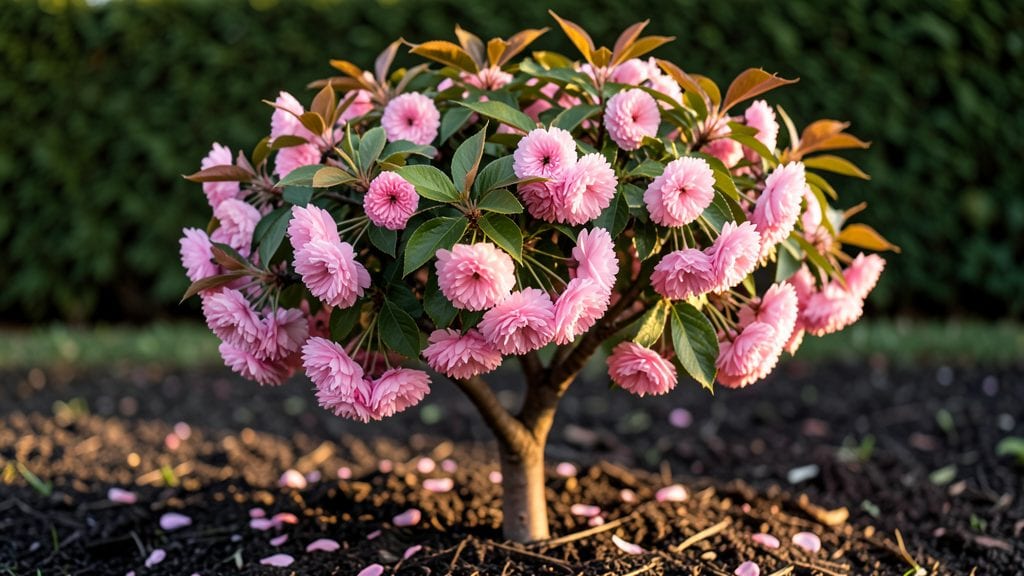
That mini flowering cherry tree in your yard isn’t just a pretty face—it’s a four-season showstopper when you prune it right. 🌸 I’ve watched mine go from a sad, overgrown shrub to a bursting cloud of pink and white blooms every spring, summer, and even late fall.
The secret? Year-round pruning that keeps it compact, healthy, and covered in flowers.
You don’t need fancy tools—just sharp pruners, a ladder (for the higher branches), and 15 minutes every few months. Start by removing dead or crossing branches in late winter, then trim lightly after each bloom cycle to encourage fresh growth.
The key is cutting just above a bud or leaf joint, never leaving stubs. My tree now fits perfectly in a small garden bed, and the blooms last weeks longer than my neighbors’ unpruned trees.
What you’ll end up with is a tree-sized burst of color that attracts pollinators, smells like spring all year, and stays manageable in tight spaces. The best part? Even if you skip a season, it bounces back—just don’t let it get too leggy.
We’ll cover the exact cuts to make, when to do them, and how to avoid the most common mistakes that turn trees into tangled messes.
Works for patio pots, small yards, or even large containers—just adjust the pruning schedule to your climate. Whether you’re dealing with Zone 5 winters or Zone 9 heat, the same principles apply. Let’s get those blooms going year-round!
📚 In This Guide
- What you need
- Instructions
- Tips and common mistakes
- Wrapping up and next steps
What you need
- ● Pruning shears: Bypass pruners (sharp, clean, and sterilized with rubbing alcohol) for small branches (1/4"–3/4" thick). Pro tip: 🔥 Avoid anvil pruners—they crush stems!
- ● Loppers: 1 pair (8"–12" blades) for thicker branches (3/4"–2" thick). Look for ratcheting or bypass styles.
- ● Hand pruners: Small bypass pruners (for comfort grip (e.g., Felco or Corona).
- ● Disposable gloves: 1–2 pairs (nitrile or latex-free for sensitive skin). Pro tip: ✨ Wear them—cherry sap can irritate!
- ● Pruning sealant: 1 small bottle (e.g., Tanglefoot Tree Wound Pruning Sealer) to coat cuts >1/2" thick.
- ● Sharpie marker: 1 permanent marker (for labeling cuts if needed).
- ○ Bucket or bag: 1 (for collecting debris; optional but handy).
- ● Hose or water source: To clean tools post-pruning.
- ● Extension pole saw: For high branches (if your tree is >6 ft tall).
- ● Pruning saw: Curved-tooth saw for thick branches (2"–4" thick).
- ● Ladder: Lightweight step ladder (if reaching >8 ft). Safety first! 🎯
- ● Tree ties or zip ties: For supporting weak branches post-pruning.
- ● Fungicide spray: Copper-based (e.g., Bonide Copper Fungicide) to prevent disease in cuts.
- ● Know your tree’s age: Mini flowering cherries (Prunus serrulata cultivars) are best pruned when dormant (late winter) or after blooming (early summer).
- ● Check the weather: Prune on a dry, cloudy day (avoid rain for 24 hours post-pruning).
- ● Review your goals: Sketch a rough plan—are you pruning for shape, health, or more blooms?
Step-by-step year-round pruning for your mini flowering cherry tree
Here's how to keep your tree blooming beautifully through every season.
✂️ Step 1: Late Winter Cleanup (Before Bud Break)
Start in late winter when the tree is still dormant but just before buds begin to swell. This is your chance to remove any dead, diseased, or crossing branches. Use clean, sharp pruning shears to make cuts at a 45-degree angle just above a bud or branch collar.
Focus on branches that are rubbing against each other or growing inward—they'll compete for energy and reduce flower production. Remove any suckers or water sprouts that pop up at the base or along the trunk. These weak growths drain energy from your blooms.
Here's the thing—don't overdo it. You want to remove no more than 25% of the tree's foliage in one session. If you cut too much, you'll stress the tree and delay spring blooms. Think of this as a light trim, not a major haircut.
☀️ Step 2: Post-Bloom Summer Pruning (After Flowers Fade)
Once your starburst blooms have faded and new leaf growth appears, it's time for your second pruning. This is when you shape the tree and encourage next year's flowers. Look for branches that are growing too long or spoiling the tree's natural shape.
Cut back these branches by one-third to one-half of their length. Make your cuts just above an outward-facing bud to maintain an open center. This open structure lets sunlight and air circulate better, which means healthier blooms next season.
I always prune on a mild, dry day—never when rain is forecast. Wet conditions can introduce fungal diseases through fresh cuts. And don't forget to sterilize your tools between cuts with rubbing alcohol to prevent spreading any potential infections.
🌿 Step 3: Light Maintenance Pruning (Fall and Early Spring)
In fall, do a quick check for any branches that died back during the season or developed disease. Remove these immediately to prevent them from becoming a winter hazard. Fall is also when you should remove any seed pods that develop after blooming—they drain energy that could go toward next year's flowers.
In early spring, just as new growth begins, give your tree another light inspection. Look for any branches that grew too vigorously over winter or any that look weakened. Prune these back to maintain balance and encourage strong, blooming growth.
This is the moment that matters: keep your pruning cuts clean and precise. Ragged edges invite pests and disease. And remember, your mini flowering cherry tree is a small tree—you don't need heavy pruning tools. A good pair of bypass pruners will handle everything you need.
⏰ Step 4: Year-Round Monitoring (Watch for Problems)
Pruning isn't just about cutting—it's about observing. Throughout the year, watch for signs of stress like yellowing leaves, stunted growth, or excessive leaf drop. These can signal over-pruning, disease, or pest problems.
If you notice any branches with blackened or mushy wood, prune those out immediately and dispose of the clippings away from your tree. This prevents fungal spores from reinfecting your plant. Keep an eye out for aphids or spider mites too—they love new growth and can weaken your tree's ability to bloom.
Real talk: your mini flowering cherry tree will thank you for regular attention. A little pruning now means big, healthy blooms next season. And don't forget to water deeply after each pruning session—your tree will need to recover and grow new leaves.
Tips & tricks for perfect mini flowering cherry tree pruning
These simple tricks will help you maintain your tree's beauty and health without stressing it out.
Timing is Everything: The late winter cleanup is all about patience—wait until buds begin to swell but haven't opened yet. This timing ensures you're removing only dead or problematic branches while leaving the tree's energy reserves intact for spring blooms. I've learned the hard way that pruning too early can expose the tree to cold damage, while waiting too long risks losing next year's flowers.
The 25% Rule: Never remove more than 25% of your tree's foliage in one session, especially during late winter. This guideline prevents over-stressing the tree, which can delay blooming or even harm its overall health. Think of it as giving your tree a haircut—you want to shape it, not shave it bald. For a mini tree, this usually means just a few branches at most.
Summer Pruning Precision: When shaping your tree in summer, focus on cutting back branches by one-third to one-half of their length. This creates a balanced shape while encouraging new growth. Always make cuts just above an outward-facing bud to direct the tree's energy outward, creating a fuller, more vibrant tree. I mark the bud with a pencil before cutting to ensure accuracy.
Tool Maintenance Matters: Sterilize your pruning shears with rubbing alcohol between each cut to prevent spreading disease. A clean tool is your best defense against fungal infections that can weaken your tree. I keep a small bottle of rubbing alcohol in my gardening toolkit and wipe down tools after every few cuts, especially when working with diseased branches.
Pro Tips for Mini Flowering Cherry Tree
- These simple tricks will help you maintain your tree's beauty and health without stressing it out.
- Timing is Everything: The late winter cleanup is all about patience—wait until buds begin to swell but haven't opened yet.
- The 25% Rule: Never remove more than 25% of your tree's foliage in one session, especially during late winter.
Frequently asked questions
Got questions about keeping your mini flowering cherry tree in full, year-round bloom? Here are answers to the most common concerns—so you can enjoy those starburst blooms without the guesswork!
When is the best time to prune for continuous blooms?
Prune your mini flowering cherry tree after blooming (late spring to early summer) to encourage new growth. Light trims in fall can remove dead branches, but avoid heavy cuts—this tree blooms on new wood, so timing is key!
Can I prune in winter? What about frost?
Winter pruning is risky—frost can stress the tree, and cold snaps may hide pests or disease. If you must prune in winter, do it on a mild day (above 40°F) and avoid heavy cuts. Focus on removing only dead or crossing branches.
How do I encourage more blooms year-round?
Feed your tree with a balanced fertilizer (10-10-10) in early spring and again after summer blooms. Prune lightly but regularly (every 4-6 weeks) to stimulate fresh growth. Water deeply but let soil dry slightly between waterings—overwatering stresses roots!
Why are my blooms sparse or dropping early?
Sparse blooms often mean nutrient deficiency (try a bloom booster fertilizer) or over-pruning (leave 1/3 of the canopy intact). Dropping blooms? Check for pests (aphids, spider mites) or underwatering—cherry trees hate soggy roots!
What’s a good alternative if I don’t have space for a full-sized cherry?
Consider dwarf varieties like ‘Okame’ or ‘Shirofugen’—they stay compact (6-10 ft tall) and bloom prolifically! For even smaller options, try patio-friendly flowering trees like Japanese maple ‘Drummondii’ or ornamental pear ‘Cleveland Select’. Both thrive in containers!
Wrapping up and next steps
Your mini flowering cherry tree is now primed for year-round beauty—thanks to the right pruning techniques! 🌸 With consistent care, you’ll enjoy nonstop starburst blooms that brighten any season. Remember, patience and precision are key, but the reward—a stunning, healthy tree—is worth every trim.
Ready to elevate your gardening game? Start small: pick one branch this week to practice your new skills, then gradually expand. Happy pruning—and may your tree flourish like never before! 🌿✨