
Flowers
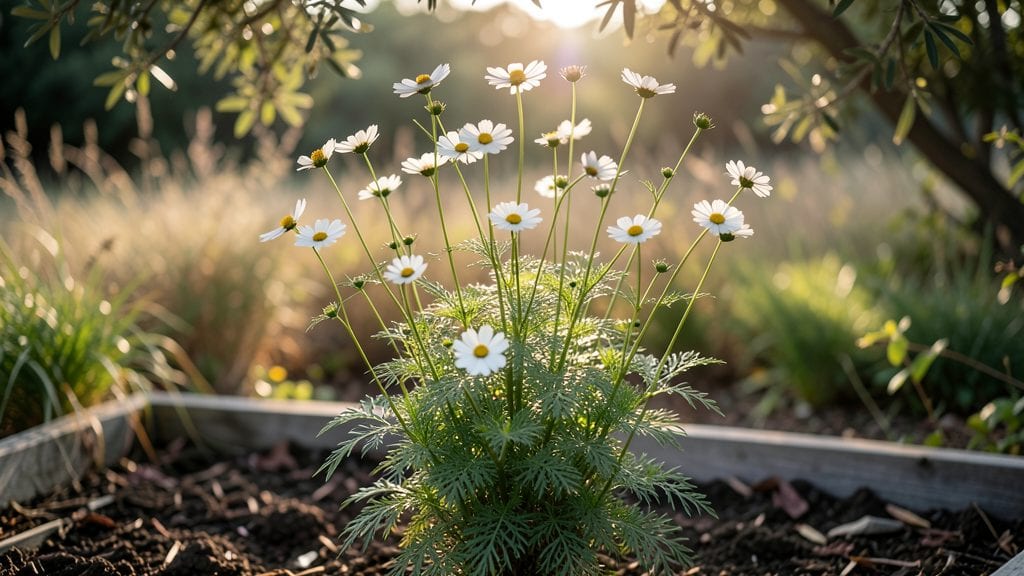
White cosmos flowers bring ethereal drama to Pacific Northwest gardens—towering 6 feet tall with starburst blooms that dance in late-summer breezes. 🌿 Their frosty-white petals create a dreamy contrast against deep greens and purples, making them the perfect bridge between cottage charm and modern minimalism.
Unlike finicky annuals, these resilient climbers thrive in our cool, damp summers, blooming reliably from July through frost.
Their airy, feathery foliage and long stems make them ideal for vertical accents—tuck them behind shrubs or let them spill over trellises for a romantic, layered look.
Pair them with deep purple salvias or dusty miller for a moody, high-contrast border, or mix with lavender and white daisies for a soft, romantic cottage garden. Even in full sun or partial shade, they deliver effortless height and movement.
What you’ll love most is how they soften edges while adding structure—no deadheading required, no fussing over wilting. Their late-season blooms feed pollinators when other flowers fade, and their seed heads add winter interest.
Imagine a border where white cosmos sway above black-eyed Susans or a cutting garden where their stems anchor bouquets with their height and grace.
Perfect for cutting gardens, wild-style borders, or even as a dramatic focal point near patios where their height creates shade. They’re the PNW gardener’s secret weapon for low-maintenance elegance that never goes out of style. Let’s design with them!
📚 In This Guide
- What you need
- Instructions
- Tips and common mistakes
- Wrapping up and next steps
What you need
- ● White cosmos seeds (e.g., Cosmos bipinnatus ‘White Sensation’ or ‘Purity’): 1 packet (50-100 seeds) or 10-20 plants for a small garden.
- ● Well-draining potting mix: 5-10 gallons (sterile, peat-based or coco coir blend for seed starting).
- ● Containers or seed trays: 4-6" deep with drainage holes (or direct sowing site in PNW’s mild climates).
- ● Organic compost: 1-2 cups per planting hole to enrich soil.
- ● Slow-release fertilizer (10-10-10 or organic option): 1 tbsp per plant at planting.
- ● Hand trowel or small garden spade for transplanting.
- ● Watering can with a fine rose nozzle (or hose with gentle spray).
- ● Mulch (straw or shredded bark): 2-3 inches to retain moisture.
- ○ Garden stakes or trellis (optional): 3-4 ft tall for climbing varieties (e.g., Cosmos sulphureus).
- ● Pruning shears for deadheading spent blooms.
- ● Sunlight access: Full sun (6+ hours/day)—PNW’s partial shade works too!
- ○ Frost protection (optional for early springs): Frost cloth or row covers.
Step-by-step instructions for growing white cosmos in the Pacific Northwest
Here’s how to coax these airy blooms to thrive in your cool, moist climate.
🌱 Step 1: Start Seeds Indoors or Direct-Sow After Frost
White cosmos seeds germinate best when soil temperatures hit 60-70°F, which can be tricky in the Pacific Northwest’s damp springs. I start seeds indoors 4-6 weeks before your last frost date—typically mid-March for most of the region—using biodegradable peat pots to avoid transplant shock.
Fill pots with sterile seed-starting mix (never garden soil—it’s too dense and may harbor pathogens). Press seeds ¼ inch deep—they’re tiny, so I use a toothpick to create a shallow trench. Cover lightly with mix and mist until evenly damp. Place in a warm spot (70-75°F) under a humidity dome or plastic wrap. Germination takes 7-14 days—patience is key, especially if your home runs cooler.
Once seedlings show first true leaves (not the initial seed leaves), remove the dome. Keep soil moist but never soggy—cosmos hate wet feet. If your seedlings stretch toward the light, they’re not getting enough. Move them within 2-3 inches of a grow light or a south-facing window.
☀️ Step 2: Harden Off and Transplant After Frost
Cosmos are frost-tolerant, but they thrive when nights warm slightly. I wait until after the last frost date (usually late May in the PNW) to transplant outdoors. Harden off seedlings by placing them outside in a sheltered spot for 1-2 hours the first day, gradually increasing time over 7-10 days. This toughens their stems so they don’t flop in wind or rain.
Choose a spot with full sun to part shade—cosmos handle the PNW’s dappled light better than many annuals. Dig holes twice as wide as the root ball but no deeper. Space plants 12-18 inches apart (closer for bushier varieties, farther for tall climbers). Water deeply at planting to settle the soil and encourage root growth.
Here’s the thing—cosmos self-seed aggressively. If you’re growing white varieties, you’ll likely see volunteers popping up next year. I let a few naturalize in shady corners where other plants struggle.
💧 Step 3: Water Deeply and Let Soil Dry Between Waterings
Once established, cosmos are drought-tolerant, but they need deep watering weekly—more often in the PNW’s dry summers. Water at the base in the morning to reduce fungal risks from evening moisture. You’ll know they’re thirsty when the leaves droop slightly in the afternoon. A quick drink restores them by evening.
Mulch with 2-3 inches of organic mulch (like shredded bark) to retain moisture and suppress weeds. Cosmos roots run shallow, so keep mulch away from the stems to prevent rot. In heavy rain, ensure containers or beds have drainage—soggy soil leads to leggy, weak stems.
Fertilizer is optional. I skip it unless the foliage looks pale, then use a balanced, water-soluble fertilizer at half strength. Too much nitrogen makes cosmos produce leaves instead of flowers—we want those starburst blooms!
✂️ Step 4: Deadhead and Support for Continuous Blooms
Deadheading spent blooms isn’t just for show—it encourages nonstop flowering. Pinch off faded flowers with your fingers or snip with clean shears. You’ll see new buds form within 7-10 days. This is the moment that matters: consistent deadheading keeps cosmos blooming from early summer to frost.
Tall varieties (like ‘Bright White’) need staking or support. I use 6-foot bamboo stakes or a simple tomato cage. Tie stems loosely with soft twine—cosmos grow fast, and tight ties can girdle the stems. If you’re growing cosmos in containers, choose pots at least 12 inches deep to accommodate their long taproots.
Real talk: cosmos attract pollinators like crazy. Bees and butterflies will swarm your garden once they open. If you’re growing near vegetables, plant cosmos nearby—they improve yields by boosting beneficial insect activity.
Tips & tricks for growing white cosmos in the Pacific Northwest
Here's what I've learned to help your white cosmos thrive in our damp, cool climate—without the guesswork.
Seedling Temperature: Those 70-75°F warmth requirements for germination are non-negotiable in the PNW. If your home stays cooler, place pots on top of your fridge or use a seedling heat mat. I've even used a sunny windowsill with a clear plastic bag tented over the pots to trap heat—just remove it daily for fresh air. The goal is consistent warmth, not scorching.
Lighting Strategy: When seedlings stretch toward the light, they're begging for more. Move them within 2-3 inches of a grow light or rotate pots daily so they grow evenly. I keep mine under a simple LED bulb for 14 hours daily—no fancy equipment needed. Watch for leaves touching the light; if they do, you're too close.
Harden Off Gradually: The 1-2 hours/day hardening off schedule is crucial, especially with our unpredictable PNW weather. Start with a sheltered spot like a covered porch, then slowly introduce them to wind and rain. I've seen seedlings collapse when moved too quickly—take your time here, and they'll reward you with sturdy stems.
Fertilizer Timing: Too much nitrogen early on kills your chances of seeing those starburst blooms. Only fertilize when you see pale foliage, and then use a balanced, water-soluble fertilizer at half strength. I've made the mistake of fertilizing too soon—cosmos will grow leaves instead of flowers, and you'll be left with a lush green plant but no blooms.
Pro Tips for White Cosmos Flowers
- Here's what I've learned to help your white cosmos thrive in our damp, cool climate—without the guesswork.
- Seedling Temperature: Those 70-75°F warmth requirements for germination are non-negotiable in the PNW.
- Lighting Strategy: When seedlings stretch toward the light, they're begging for more.
Frequently asked questions
Can white cosmos flowers survive frost?
White cosmos are frost-tolerant but not frost-proof! While they can handle light frosts (down to 25°F/-4°C), heavy freezes may damage foliage. In the PNW’s unpredictable climate, plant them after the last frost (typically late May) or use row covers for early-season protection.
How long does it take for white cosmos to bloom?
From seed to flower, expect 60–70 days under ideal conditions. Direct-sown seeds in spring may bloom by mid-summer, while fall-planted seeds often flower the following year. Pro tip: Deadhead spent blooms to encourage continuous flowering until frost!
Are there alternatives to white cosmos for frost-prone gardens?
Yes! Try these PNW-friendly, frost-hardy flowers:
- Sweet Alyssum (survives 20°F/-7°C)
- Lobelia (tolerates light frost)
- Calendula (edible and cold-resistant)
Why aren’t my white cosmos attracting pollinators?
Cosmos are low-maintenance but need full sun (6+ hours) and well-drained soil. If blooms are sparse or pollinators avoid them, check for:
Cosmos thrive in 5–7" deep pots with drainage holes. Use a lightweight potting mix and fertilize lightly (every 3–4 weeks). Bonus: Their airy stems add vertical interest to balconies and patios. Just avoid overwatering—they prefer dry soil!
Once established, they’re bee magnets!
Can I grow white cosmos in containers?
Wrapping up and next steps
White cosmos flowers aren’t just stunning—they’re hardy, low-maintenance stars that bring effortless beauty to the Pacific Northwest’s chilly gardens. Their frost-resilient nature and starburst charm make them a must-have for gardeners craving year-round appeal.
Whether you’re a seasoned green thumb or a beginner, these flowers prove that growing beauty doesn’t require perfection—just a little patience and passion.
Ready to transform your garden? Start small: plant a few seeds this season, experiment with companion plants, and watch your space bloom into a dreamy, white-laced paradise! 🌸✨