
Planting
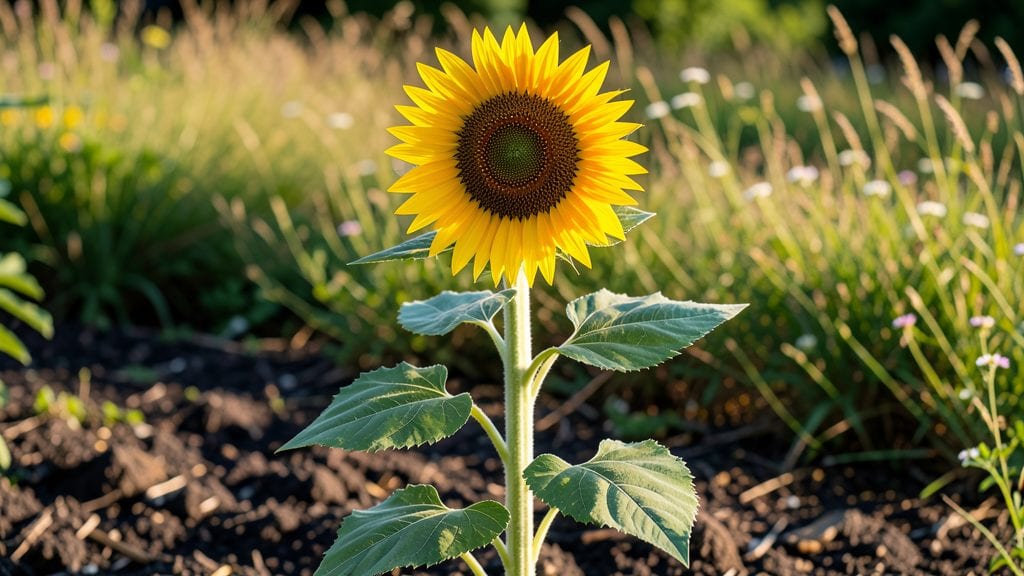
Growing a wild sunflower plant from seed is like inviting a sun-drenched meadow into your yard—no fuss, just reliable beauty. These hardy plants thrive in the Pacific Northwest’s dry summers, turning neglected corners into buzzing pollinator hotspots with minimal effort.
I’ve watched them pop up effortlessly along roadsides and in rocky soil, proving they’re nature’s low-maintenance showstoppers.
The secret to their success lies in their adaptability: they handle poor soil, drought, and even partial shade better than most garden plants. Start with seeds in early spring or fall—just scratch them into the soil and forget about them until the bright yellow blooms appear.
No need for fancy prep; these sunflowers grow wild by design, making them perfect for informal gardens, meadow-style plantings, or even container edges.
What you’ll end up with is a garden that hums with bees, butterflies, and birds all summer long. The cheerful blooms attract pollinators while their deep roots improve soil structure over time.
By late summer, you’ll have towering stems that sway in the breeze, each one a magnet for wildlife. Best of all, they self-seed, so your pollinator paradise keeps expanding year after year.
Whether you’re reviving a dry patch of land or adding native charm to your landscape, wild sunflowers deliver effortless beauty with ecological benefits. They’re the ultimate no-fail plant for gardeners who want to do more with less—just plant, watch, and enjoy the show.
📚 In This Guide
- What you need
- Instructions
- Tips and common mistakes
- Wrapping up and next steps
What you need
- ● Wild sunflower seeds: Choose Helianthus annuus (common sunflower) or native varieties like Helianthus divaricatus (woodland sunflower). Buy 50–100 seeds for a small patch or 200+ for a full pollinator haven.
- ● Well-draining soil: Amend heavy clay soil with compost (1–2 gallons per planting area) or use a native plant mix (50 lbs for a 10’x10’ bed).
- ● Sunlight: A full-sun spot (6+ hours of direct sunlight daily)—no compromises here!
- ○ Water: A garden hose with a gentle spray nozzle or a drip irrigation kit (optional but drought-friendly).
- ● Hand trowel or transplanting spade (for digging holes ½–1 inch deep).
- ● Gloves (to protect hands from prickly seed casings or rough soil).
- ● Planting marker or stakes (to label varieties if mixing seeds).
- ● Pruners or shears (for trimming dead blooms to encourage regrowth).
- ● Mulch (straw or wood chips) to retain moisture and suppress weeds.
- ● Organic fertilizer (low-nitrogen, like fish emulsion) for nutrient boosts.
- ● Pollinator-friendly companions (e.g., bee balm, yarrow, or native grasses).
- ● Seed-starting tray (if germinating indoors 4–6 weeks before last frost).
Step-by-step guide to growing Pacific Northwest wild sunflowers
Here’s how to cultivate these hardy, drought-resistant beauties that’ll bring bees and butterflies to your garden.
🌱 Step 1: Choose the Perfect Location and Soil
Wild sunflowers thrive in full sun—at least 6-8 hours daily—so pick a spot with unobstructed southern or western exposure. In the Pacific Northwest’s cooler climate, they’ll tolerate partial shade if the soil stays warm, but blooms will be fewer. Clear any competing weeds first; sunflowers hate competition for water and nutrients.
These plants love well-draining soil—sandy loam or rocky ground is ideal. If your soil feels heavy or clay-like, mix in 2-3 inches of coarse sand or gravel to improve drainage. They’re drought-tolerant once established, but young plants need moisture to take root. Test your soil’s moisture by squeezing a handful—if it holds together tightly, it’s too dense.
☀️ Step 2: Plant Seeds at the Right Time and Depth
Sow seeds after the last frost date in early spring or directly in late summer for fall blooms. Wild sunflowers germinate best in soil temperatures above 60°F, so wait until the ground warms up—stick your finger 2 inches deep; if it’s cool to the touch, hold off. Plant seeds ½ inch deep and 6 inches apart in rows 18 inches apart to give them room to spread.
Water lightly after planting, but don’t soak the soil—you want it moist but not soggy. A fine mist from a spray bottle works best. Once seedlings emerge (in 7-14 days), thin them to the strongest 4-6 plants per row to prevent overcrowding. Weak, leggy seedlings won’t survive long in the wild—pull them carefully to avoid disturbing roots.
💧 Step 3: Water and Maintain for Maximum Blooms
Young sunflowers need consistent moisture for the first 4-6 weeks—water deeply 2-3 times per week until they develop deep roots. After that, they’re tough as nails and only need watering once every 2 weeks unless your summer is unusually dry. Overwatering is the real enemy; yellowing leaves or wilting stems signal you’ve gone overboard.
Fertilizer isn’t necessary, but a light application of compost in early spring gives them a boost. Avoid high-nitrogen fertilizers—those encourage leafy growth at the expense of flowers. Deadhead spent blooms (snip off faded flower heads with clean pruners) to encourage more flowers throughout the season. This is the moment that matters: a single plant can produce dozens of blooms if you keep up with deadheading.
✂️ Step 4: Protect and Enjoy the Pollinator Paradise
Wild sunflowers attract bees, butterflies, and hummingbirds—so much so that you’ll want to protect them from pests. Deer and rabbits might nibble on young plants, so consider a light row cover until they’re 12 inches tall. Once established, they’re tough enough to fend off most critters. If aphids appear (tiny green bugs on stems), blast them off with a strong spray of water—no chemicals needed.
Harvest seeds in late fall by cutting the flower heads and drying them in a paper bag for 2-3 weeks. Shake the bag occasionally to release seeds for next year’s garden. The dried flowers also make stunning arrangements—just snip stems and place in water. Real talk: these plants are so easy to grow, you’ll wonder why you didn’t try them sooner.
Tips & tricks for perfect wild sunflower growth
These game-changing insights will help you turn your Pacific Northwest garden into a buzzing sunflower paradise with minimal effort.
Location is Everything: While the instructions mention full sun, I’ve found that in the PNW’s cooler climate, even a spot with morning sun and afternoon shade can work—just expect slightly fewer blooms. The key is ensuring the soil stays warm, so avoid areas where cold air pools overnight. I’ve had great success with south-facing slopes or near heat-retaining walls.
Soil Prep Secret: Don’t just mix in sand or gravel—create raised beds if your soil is particularly heavy. This improves drainage dramatically and gives roots more oxygen. For clay-heavy soils, amend with 2-3 inches of compost along with the sand recommendation. The compost adds organic matter while the sand creates those essential air pockets.
Timing Your Planting: The instructions mention waiting until soil temperatures exceed 60°F, but I’ve found that using a soil thermometer makes this much easier. In the PNW, this typically means waiting until late May or early June. For fall planting, aim for late July—this gives the seeds time to germinate before winter sets in. I always mark my calendar with the last frost date and count back 6 weeks for spring planting.
Watering Wisdom: The 2-3 times weekly watering for young plants might seem like a lot, but think of it as helping their roots establish quickly. I’ve found that watering in the morning gives plants time to dry out before evening, reducing fungal risks. For established plants, I’ve switched to deep watering every 10-14 days instead of the suggested biweekly schedule—this encourages deeper root growth that makes them even more drought-resistant.
Pro Tips for Wild Sunflower Plant
- These game-changing insights will help you turn your Pacific Northwest garden into a buzzing sunflower paradise with minimal effort.
- Location is Everything: While the instructions mention full sun, I’ve found that in the PNW’s cooler climate, even a spot with morning sun and afternoon shade can work—just expect slightly fewer blooms.
- Soil Prep Secret: Don’t just mix in sand or gravel—create raised beds if your soil is particularly heavy.
Frequently asked questions
about wild sunflower plants in the Pacific Northwest—because even the hardiest pollinators need a little guidance!Are wild sunflowers really drought-tolerant?
Wild sunflowers (like Helianthus annuus) thrive in dry conditions once established. Their deep roots access water efficiently, making them perfect for water-wise gardens. Just avoid overwatering—they hate soggy feet!
How long does it take for wild sunflowers to bloom?
From seed to bloom, expect 60–90 days in ideal conditions (full sun, well-drained soil). Early varieties may flower sooner, while heirlooms take longer. Patience pays off—those golden faces are worth the wait!
Can I grow wild sunflowers from grocery store seeds?
Not ideal! Store-bought sunflower seeds (like those for bird feed) are often hybridized for taste, not germination. Opt for open-pollinated or wild-type seeds from nurseries or seed banks. Pro tip: Save seeds from your own plants for next year!
Why aren’t bees visiting my sunflowers?
Check these fixes:
- Timing: Sunflowers peak in late summer—bees may be busy elsewhere earlier.
- Water: Lightly water soil (not flowers) to attract thirsty pollinators.
- Neighbors: Plant companion flowers (like borage or alyssum) to lure bees in.
Will wild sunflowers spread uncontrollably?
Most wild sunflowers self-seed moderately—not invasively like thistles. Deadhead spent blooms to control spread, or let them reseed for next year’s pollinator buffet. Note: Some native species (like Helianthus divaricatus) stay put—check labels!
Bonus Tip:
For extra drought resistance, mulch with gravel or straw (not wood chips) to retain moisture. Wild sunflowers reward low-maintenance gardeners—just give them space and sun!
Wrapping up and next steps
The wild sunflower isn’t just a resilient, drought-tolerant beauty—it’s a pollinator powerhouse that transforms any Pacific Northwest garden into a thriving ecosystem. Whether you’re drawn to its vibrant blooms or its low-maintenance charm, this plant is a win-win for both your garden and local wildlife.
Ready to plant one (or ten!)? Grab your seeds, pick a sunny spot, and let nature do the rest!
🌱 Next step: Start small—try a single patch this season, observe its growth, and soon you’ll be sharing tips (and sunflower seeds!) with fellow gardeners. Happy planting! 🌻