
Trees
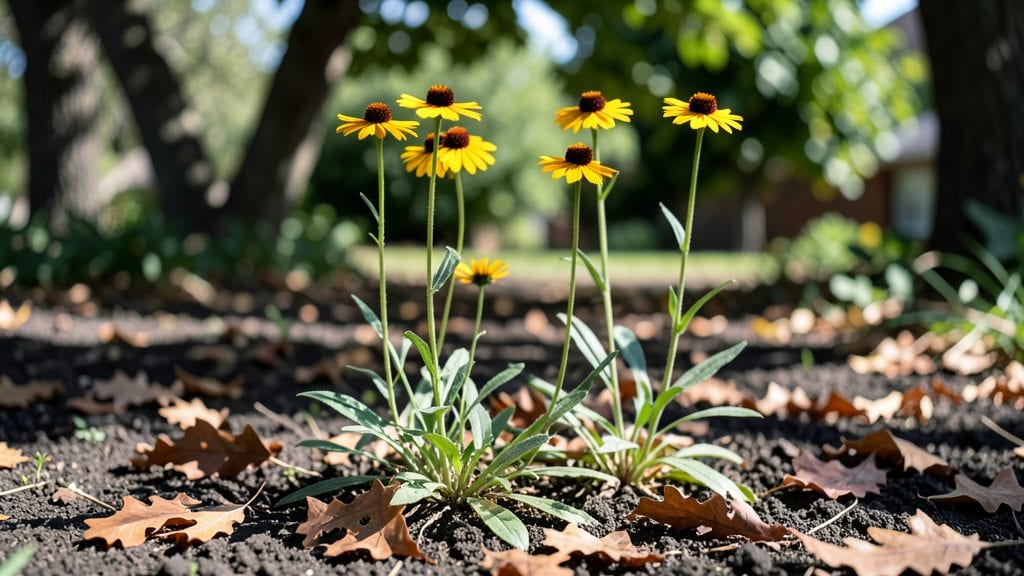
Planting wildflowers around trees turns your yard into a buzzing, blooming sanctuary that outshines store-bought landscaping. 🌿 The key is choosing native species that thrive under tree canopies—like black-eyed Susans and goldenrod—which attract pollinators while needing minimal care.
My first attempt used non-native flowers, and I ended up with patchy growth and no bees. Lesson learned: go local for resilience and beauty.
You’ll need a mix of sun-loving and shade-tolerant wildflowers, plus a 3-inch layer of mulch to keep weeds at bay and roots cool. Start with a 10-foot radius around mature trees, spacing plants 6-12 inches apart for a natural, full look.
The soil under trees is often compacted, so aerate lightly before planting—your wildflowers will thank you with vibrant blooms by early summer.
By late summer, you’ll have a season-long show of color and movement, with butterflies, bees, and hummingbirds treating your yard like a five-star hotel. The wildflowers self-seed over time, reducing maintenance while keeping the ecosystem thriving. Plus, the dappled shade from trees protects delicate blooms from harsh afternoon sun.
This design works for any yard size, from suburban lots to urban backyards. Just swap species based on your region—check local native plant guides for foolproof pairings. Ready to transform bare ground into a pollinator paradise? Let’s get planting!
📚 In This Guide
- What you need
- Instructions
- Tips and common mistakes
- Wrapping up and next steps
What you need
- ● Native wildflower seeds: Choose a mix of perennial varieties (e.g., Black-eyed Susan, Coneflower, Milkweed, or Purple Coneflower). Aim for 1–2 lbs per 100 sq ft for optimal coverage.
- ● Mulch: Organic mulch (e.g., shredded bark or straw) to retain moisture and suppress weeds. Use 2–3 inches of mulch, keeping it 6 inches away from tree trunks.
- ○ Native soil or compost: Amend your soil with 1–2 inches of compost to improve drainage and fertility (optional but highly recommended).
- ● Watering supplies: A garden hose with a sprinkler attachment or a soaker hose for deep watering.
- ● A watering can (for smaller areas or delicate seedlings).
- ● Garden gloves (to protect your hands from thorns or rough soil).
- ● Hand trowel or transplanting spade (for planting seeds or small plugs).
- ● Rake (to loosen soil and create a smooth seedbed).
- ● Pruners or shears (to trim back invasive grasses or weeds before planting).
- ● Measuring tape or string (to mark planting areas and maintain proper spacing from trees).
- ○ Optional but helpful: A seed spreader (for even distribution of seeds over large areas).
- ● A wheelbarrow (for hauling mulch or soil amendments).
- ● Knee pads (if you’ll be kneeling frequently).
- ● Sunlight assessment: Ensure your planting area receives at least 4–6 hours of sunlight daily (most wildflowers thrive in full sun).
- ● Tree root zone awareness: Avoid planting directly over tree roots or within the drip line (the edge of the tree’s canopy). Aim for 3–5 feet away from the trunk.
- ● Local regulations: Check if your area has restrictions on native plantings or requires permits for large-scale projects.
- ● Seasonal timing: Plant seeds in early spring or fall for best germination rates (avoid summer heat or winter frost).
How to design a pollinator-friendly wildflower understory
Transform the space beneath your trees into a thriving ecosystem that supports local wildlife.
🌱 Step 1: Assess Light and Soil Conditions
Start by evaluating the sunlight patterns under your trees. Most native wildflowers thrive in partial shade—meaning 3-6 hours of dappled sunlight daily. Observe which areas receive direct sun for longer periods; these spots can accommodate sun-loving species like black-eyed Susans or coneflowers. Avoid planting directly under dense canopies where light barely reaches the ground.
Next, test your soil's moisture and texture. Wildflowers prefer well-draining soil, so if your area stays soggy after rain, amend it with 2-3 inches of compost to improve aeration. Dig a small hole about 6 inches deep and fill it with water—if it drains completely within 30 minutes, your soil is ready for planting. If not, incorporate sand or perlite to break up clay.
🌿 Step 2: Select Native Wildflower Species
Choose species that match your region's climate and the specific conditions under your trees. For moist, shady spots, consider Virginia bluebells or wild columbine, which bloom in spring and tolerate low light. In drier, sunnier areas, purple coneflower or butterfly weed will thrive and attract pollinators year-round. Always prioritize native species—they require less water, resist local pests, and provide the best habitat for bees, butterflies, and hummingbirds.
I like to mix early bloomers like bloodroot or trillium with summer favorites such as black-eyed Susans and goldenrod to ensure continuous color and food sources for pollinators. Avoid invasive species like Japanese honeysuckle—they outcompete natives and disrupt local ecosystems. Check your local native plant society for region-specific recommendations.
💧 Step 3: Prepare the Planting Area
Mark your planting area with stakes or string to visualize the design. For a natural, layered look, space plants 12-18 inches apart in clusters of 3-5, mimicking how wildflowers grow in meadows. This encourages pollinators to move easily between blooms. Clear the area of weeds and debris, but avoid tilling—wildflowers thrive in undisturbed soil that supports beneficial fungi and microbes.
If your soil is compacted, use a broadfork to loosen the top 6 inches without turning the soil completely. This preserves the natural structure while improving root penetration. Scatter a light layer of mulch (about 1 inch thick) around plants to retain moisture and suppress weeds, but keep mulch 2-3 inches away from stems to prevent rot. I use shredded hardwood mulch because it breaks down slowly and doesn’t smother young seedlings.
☀️ Step 4: Plant and Establish the Wildflower Meadow
Plant seeds or transplants in early spring or fall, when temperatures are mild and rainfall is consistent. For seeds, press them lightly into the soil—most wildflowers don’t need deep planting. A light dusting of soil (about ¼ inch) is enough to protect them. Water gently but thoroughly to settle the soil, then water deeply once a week for the first 4-6 weeks to encourage root growth. Avoid overhead watering, which can wash seeds away or cause fungal issues.
If using transplants, dig holes twice as wide as the root ball and the same depth. Place each plant in the hole, firm the soil around the roots, and water immediately to eliminate air pockets. The first year, your wildflowers may look sparse, but patience is key—many perennials take 2-3 years to reach full bloom. Mulch lightly after planting to retain moisture and reduce competition from weeds.
✂️ Step 5: Maintain and Encourage Pollinator Visits
Once established, wildflowers need minimal care—the real work is done by nature. In late winter or early spring, cut back dead foliage to 2-3 inches above the ground to make room for new growth. This also prevents disease and pests from overwintering in old stems. Avoid fertilizing—wildflowers thrive in low-nutrient conditions and often grow better without extra amendments.
To maximize pollinator activity, leave some seed heads on plants through winter. Birds and insects rely on these for food, and the seeds will self-sow, creating a self-sustaining meadow. If you notice overcrowding after a few years, thin out dense patches in early spring to improve air circulation and reduce disease risk. Water only during prolonged dry spells, as wildflowers are adapted to survive with natural rainfall once established.
Tips & tricks for designing a thriving pollinator meadow
Creating a successful understory garden takes more than just planting seeds—it’s about understanding the subtle details that make all the difference. Here’s how to elevate your wildflower design from good to extraordinary.
Light Mapping Strategy: Use a simple method to track sunlight patterns: Place a white sheet of paper on the ground at different times of day and mark the sun’s shadows with a pencil. This visual guide will help you identify the exact 3-6 hours of partial shade that most wildflowers prefer. I’ve found that even small variations in sunlight exposure can determine whether your Virginia bluebells or purple coneflower thrive or struggle. The key is to plant sun-loving species like black-eyed Susans in the brighter edges while reserving shadier spots for moisture-tolerant varieties.
Soil Testing Shortcut: Instead of digging multiple holes to test drainage, use the "percolation test" method: Dig one 6-inch deep hole, fill it with water, and time how long it takes to drain. If water disappears within 30 minutes, your soil is perfect for wildflowers. For areas that stay soggy, mix in 2-3 inches of compost or sand to improve aeration. I’ve seen soggy soil transform into ideal planting conditions with just this simple adjustment—it’s a game-changer for root health.
Plant Spacing Secret: When arranging your 12-18 inch spacing, think of it like creating a pollinator highway. Group plants in clusters of 3-5 to mimic natural meadow patterns, which makes it easier for bees and butterflies to navigate between blooms. I’ve noticed that this arrangement also reduces competition for water and nutrients, giving each plant a better chance to establish strong roots. For larger areas, use stakes or string to outline planting zones before you start—this visual guide prevents overcrowding and ensures a balanced look.
Seasonal Layering: To maintain continuous blooms, plan your planting in three distinct layers: spring bloomers like bloodroot, summer favorites such as goldenrod, and late-season varieties like asters. This staggered approach ensures pollinators have food sources throughout the growing season. I’ve found that even a small addition of late-season flowers can extend the life of your meadow by several weeks, keeping bees and butterflies visiting long after summer ends.
Pro Tips for Wildflowers Around Trees
- Creating a successful understory garden takes more than just planting seeds—it’s about understanding the subtle details that make all the difference.
- Light Mapping Strategy: Use a simple method to track sunlight patterns: Place a white sheet of paper on the ground at different times of day and mark the sun’s shadows with a pencil.
- Soil Testing Shortcut: Instead of digging multiple holes to test drainage, use the "percolation test" method: Dig one 6-inch deep hole, fill it with water, and time how long it takes to drain.
Frequently asked questions
Got questions about creating a wildflower haven around your trees?
Here are answers to the most common ones—so you can plant with confidence and keep those pollinators buzzing!
What’s the best time of year to plant wildflowers around trees?
For most regions, early spring (March–April) or early fall (September–October) are ideal. These times give seeds a chance to establish roots before extreme heat or frost. Pro tip: Avoid planting in summer—heat and drought stress seedlings!
Will wildflowers compete with tree roots for water and nutrients?
Not if you choose the right species! Opt for native, drought-tolerant wildflowers like black-eyed Susans or purple coneflowers. They thrive in dappled shade and won’t overpower tree roots. Troubleshooting: If competition occurs, mulch lightly (2–3 inches) to retain moisture for both plants.
How do I keep weeds from overtaking my wildflower patch?
Weeds are the biggest challenge, but mulching with straw or wood chips (3–4 inches) suppresses them naturally. Hand-pull weeds early, and plant dense wildflower mixes to outcompete invaders. Alternative: Use landscape fabric temporarily—just remove it after 6 months to avoid smothering wildflowers.
Can I use annual wildflowers instead of perennials for quick color?
Annuals like cosmos or zinnias bloom fast and attract pollinators, but they’ll need replanting yearly. For long-term beauty, mix annuals with perennials (e.g., bee balm or goldenrod) to ensure season-long blooms. Bonus: Save seeds from annuals for next year!
What if my wildflowers aren’t growing well after planting?
Check these fixes:
- Watering: Keep soil consistently moist (not soggy) for the first 2 weeks.
- Sunlight: Ensure your tree’s canopy isn’t blocking too much light—most wildflowers need 4–6 hours of sun daily.
- Soil: Amend heavy clay or sandy soil with compost to improve drainage.
- Patience: Some wildflowers (like milkweed) take 2–3 years to fully establish.
Wrapping up and next steps
Transforming your landscape into a pollinator paradise with wildflowers around trees isn’t just rewarding—it’s a gift to nature! 🌸 By choosing native species, you’ve created a thriving ecosystem that supports bees, butterflies, and birds while adding beauty to your outdoor space.
Now that you’re armed with the right knowledge, take the next step: start small with a single tree or expand your garden gradually. Every bloom makes a difference!
🌱 Ready to Grow?
- Pick a sunny spot and plant your first wildflower seeds this season.
- Share your progress with fellow gardeners—inspiration spreads! 🌿