Pests
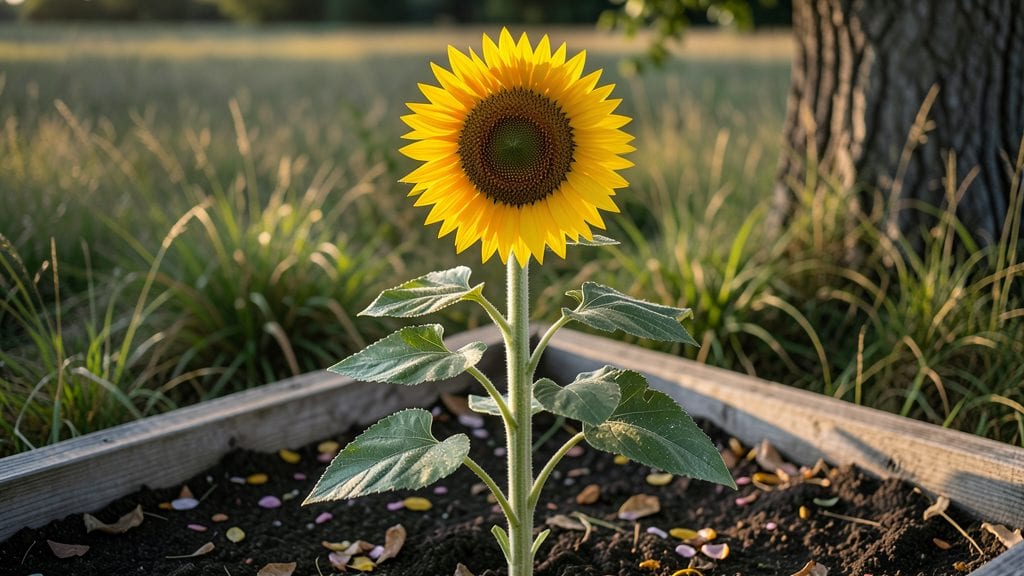
Growing the world's biggest sunflower starts with a single seed that could reach 15 feet tall—taller than most gardeners, taller than many mailboxes, and a guaranteed conversation starter. 🌻 I planted my first giant 'Russian Mammoth' sunflower last summer, and by August, it was a living sunbeam in my Pacific Northwest garden, drawing hummingbirds and bees from yards away.
The secret isn’t just the seed—it’s the space and the patience. These sunflowers need 6-8 feet of clearance to avoid flopping, and their roots dive deep, so amending soil with compost from the start makes all the difference.
In my zone 7 garden, they bloom in late summer when most annuals are fading, turning the yard into a golden beacon for pollinators.
Imagine your garden’s focal point: a towering sunflower that outshines everything else, its blooms heavy with seeds that feed birds through winter. You’ll create a living sculpture that changes with the seasons—green stems in spring, golden petals in summer, and dried seed heads that add winter interest.
The best part? These giants thrive in our damp climate, unlike many sunflowers that struggle with Pacific Northwest rain.
Perfect for large containers, raised beds, or as a dramatic centerpiece in perennial borders. Whether you’re designing a pollinator haven or just want to wow neighbors, these sunflowers deliver year-round impact with minimal effort. Ready to grow one that steals the show?
📚 In This Guide
- What you need
- Instructions
- Tips and common mistakes
- Wrapping up and next steps
What you need
- ● Sunflower seeds: Mammoth Russian or Russian Giant varieties (10–20 seeds per plant; start with 3–5 plants for a test plot). Choose open-pollinated, heirloom seeds for best results.
- ● High-quality potting mix: 50 lbs of well-draining, organic soil (amend with compost or aged manure for nutrient-rich soil).
- ● Fertilizer: 10-10-10 balanced fertilizer (1 lb per 10 sq ft of planting area).
- ● Organic compost tea (1 gallon) for foliar feeding during growth.
- ● Mulch: Straw or wood chips (2–3 inches thick) to retain moisture and suppress weeds.
- ● Garden trowel or transplanting spade (for digging deep holes—sunflowers need 12+ inches of depth).
- ● Watering can or drip irrigation system (sunflowers need 1–2 inches of water per week; deep watering is key!).
- ○ Stakes or trellis supports (3–4 ft tall; optional but highly recommended for wind-prone PNW gardens).
- ● Pruning shears (for removing lower leaves to prevent pests and improve airflow).
- ● Row covers or insect netting (if early pests like sunflower moths are a concern).
- ● Sun exposure: Full sun (6+ hours daily)—no compromises! PNW’s shorter days? Start seeds indoors 4–6 weeks before last frost.
- ● Spacious planting area: 3–4 ft between plants (giant sunflowers spread wide!).
- ● Pest monitoring: Check for aphids, beetles, or powdery mildew weekly. Have neem oil or insecticidal soap on hand.
- ● Patience: From seed to bloom, these beauties take 90–120 days—plan ahead!
Step-by-Step guide to growing a record-breaking sunflower
Here's how to coax a sunflower into monstrous proportions—without sacrificing health or pollinator appeal.
🌱 Step 1: Select the Right Variety and Prime the Soil
Choose a giant variety like 'Russian Giant' or 'Mammoth'—these can reach 12-18 feet with proper care. The Pacific Northwest's cool summers actually help giant sunflowers grow taller by extending the growing season. Test your soil's pH (aim for 6.0-7.0) and amend with 2-3 inches of compost mixed into the top 12 inches of soil. Sunflowers are heavy feeders, so don't skimp on organic matter.
I like to work in a handful of bone meal at planting time for phosphorus—this is the nutrient that fuels those massive stems. The reason giant sunflowers grow so tall is they develop an extensive root system first, so give them 24 inches of loose, well-drained soil to explore. If your soil is clay-heavy, mix in 1 part perlite to 3 parts soil to improve drainage.
☀️ Step 2: Plant Deep and Stake Early
Plant seeds 1-2 inches deep in early spring, 4-6 weeks before your last frost date. Giant sunflowers need full sun (6-8 hours daily)—even partial shade will stunt their growth. I plant mine in a southeast-facing spot to capture morning sun without afternoon heat stress. Space plants 3-4 feet apart in all directions; they'll need room to develop those massive leaves and stems.
Here's the thing—giant sunflowers are top-heavy. I drive a 5-foot bamboo stake into the ground 6 inches from each seed at planting time. As the stem grows, I loosely tie it to the stake with soft garden twine every 2-3 feet. This prevents the wind from snapping those 4-inch diameter stems when they're fully mature. Don't wait until the plant is tall to stake—by then, it's too late.
💧 Step 3: Water Strategically and Fertilize Monthly
Water deeply 2-3 times per week during the growing season, aiming for 1-2 inches of water per week. Giant sunflowers have huge canopies that create their own microclimate, so keep the soil consistently moist but never soggy. The best way to check is to stick your finger 2 inches deep—if it feels dry, water again. Overhead watering can cause mildew, so use a soaker hose or water at the base in the morning.
Feed with a balanced 10-10-10 fertilizer every 4-6 weeks starting when plants reach 2 feet tall. I switch to a low-nitrogen, high-phosphorus formula (5-10-10) once buds form to encourage flowering. Real talk: giant sunflowers will outgrow most fertilizer schedules, so don't be afraid to add a second round of compost mid-season if leaves start yellowing. This ensures they have the energy to support those 1,000+ seed heads.
✂️ Step 4: Prune for Strength and Protect from Pests
Remove any side shoots that form in the first 3-4 feet of growth—these steal energy from the main stem. You'll see them as small offshoots at the leaf junctions. Pinch them off with your fingers or clean pruners. Also, watch for Japanese beetles and sunflower moths—these can defoliate your plant. I spray with neem oil at the first sign of damage, repeating every 7-10 days until blooms open.
When the first buds form, stop fertilizing with nitrogen-heavy products. Too much late-season nitrogen delays flowering. Instead, switch to a potassium-rich fertilizer to strengthen stems. Giant sunflowers can develop soft, weak stems if they're not properly supported, so check your stakes monthly and add more as needed. The goal is to keep that main stem upright and unbroken until harvest.
🪴 Step 5: Harvest and Preserve for Maximum Impact
Leave the flower heads on the plant until they've fully matured and turned brown—this can take 3-4 weeks after blooming. The seeds need this time to dry properly. Cut the stem 6-12 inches below the flower head with clean pruners. Giant sunflower stems are woody and heavy, so wear gloves and support the weight as you cut. Drag the head to a dry, shaded area to finish drying for 1-2 weeks.
To preserve the seeds, rub the dried flower head between your hands or use a seed-saving screen. Store seeds in a paper envelope in a cool, dark place. These can be replanted next season or shared with fellow gardeners. The dried flower heads also make stunning, long-lasting arrangements—just hang them upside down in a dry place for a few weeks to fully dry before arranging. Your Pacific Northwest garden will be the talk of the neighborhood.
Tips & tricks for growing towering sunflowers
These practical strategies will help your sunflowers reach their full potential while staying healthy and strong.
Soil Depth Matters: When preparing the planting area, go deeper than you think you need. Giant sunflowers develop extensive root systems that can reach 3-4 feet deep—not just the 24 inches mentioned in Step 1. Loosen the soil with a broadfork or tiller to 18 inches deep to create ideal growing conditions. This extra depth prevents root binding and allows the plant to anchor itself properly for that towering growth.
Staking Strategy: Don't just stake once—think of it as a dynamic support system. As your sunflower grows, you'll need to add 2-3 additional stakes spaced every 3 feet up the main stem. Use flexible stakes like willow or bamboo that can bend slightly with the wind. The key is to keep the plant's center of gravity low by attaching stakes at ground level and mid-stem—this prevents toppling during storms. I've seen 15-foot sunflowers snap at the base when only top stakes were used.
Watering Wisdom: The 2-3 times per week guideline in Step 3 assumes average Pacific Northwest summers. If you're experiencing consistent temperatures above 80°F or drought conditions, increase to daily watering during the critical first 6 weeks of growth. Use a rain gauge to track your watering—giant sunflowers need 1.5-2 inches per week during peak growth. Water in the early morning to prevent fungal issues from overnight moisture.
Fertilizer Timing: The switch to low-nitrogen, high-phosphorus (5-10-10) fertilizer at bud formation is crucial, but don't stop there. Once the flower head forms, add a potassium-rich fertilizer (0-0-50) to strengthen stems. This final boost helps prevent the soft stem syndrome that plagues many giant sunflowers. I apply this every 2 weeks during the final 4-6 weeks of growth, right up until harvest. Think of it as giving your sunflower a structural support supplement.
Pro Tips for World'S Biggest Sunflower
- These practical strategies will help your sunflowers reach their full potential while staying healthy and strong.
- Soil Depth Matters: When preparing the planting area, go deeper than you think you need.
- Staking Strategy: Don't just stake once—think of it as a dynamic support system.
Frequently asked questions
Got questions about growing the world’s biggest sunflower? You’re not alone! Whether you're a first-time gardener or a seasoned green thumb, these FAQs will help you navigate the quirks of cultivating a towering pollinator magnet. Let’s dive in!
What’s the best variety for the world’s biggest sunflower?
For record-breaking size, Russian Giant or Mammoth varieties are top picks—they can reach 12–15 feet tall with blooms up to 16 inches wide! Look for seeds labeled "giant" or "mammoth" from reputable suppliers like Baker Creek Heirloom Seeds or Johnny’s Selected Seeds.
How long does it take to grow a giant sunflower?
From seed to towering bloom, plan for 80–120 days, depending on your climate. Start seeds indoors 4–6 weeks before the last frost, then transplant outdoors. In the Pacific Northwest’s cooler zones, expect slower growth—be patient!
Will giant sunflowers attract pests like bees and wasps?
Absolutely—and that’s a good thing! Sunflowers are pollinator magnets, drawing bees, butterflies, and even hummingbirds. To minimize wasp nests, plant near water sources (they’ll prefer those) and avoid over-fertilizing with nitrogen. A light hand with pesticides keeps the ecosystem balanced.
How much water do these giants need?
Giant sunflowers are thirsty! Water deeply 2–3 times per week (more in droughts) during their first 6–8 weeks. Once established, they’re drought-tolerant but will wilt dramatically if parched. Mulch around the base to retain moisture and protect roots.
Can I grow a giant sunflower in containers?
Technically yes, but not ideal. These behemoths need 5–6 feet of depth and a 20+ gallon container with excellent drainage. If you’re determined, use a Mammoth variety and stake it heavily. For best results, plant directly in the ground with 6 feet of spacing between stems.
What if my sunflower stops growing or wilts suddenly?
Common culprits include root rot (overwatering), powdery mildew (humid conditions), or aphid infestations. Prune yellow leaves, improve airflow, and spray with neem oil if needed. If the stem softens at the base, it’s likely rot—remove the plant to prevent spread.
Wrapping up and next steps
The world’s biggest sunflower isn’t just a record-breaker—it’s a game-changer for Pacific Northwest gardens! 🌻 By attracting pollinators and deterring pests naturally, it transforms your outdoor space into a thriving ecosystem. Whether you’re a seasoned gardener or just starting, this sunflower is your ticket to a healthier, more vibrant garden.
Ready to plant your own giant? Start by gathering your materials, following the steps, and watching your garden bloom with new life. Your future sunflower—big, bold, and beautiful—awaits!