
Flowers
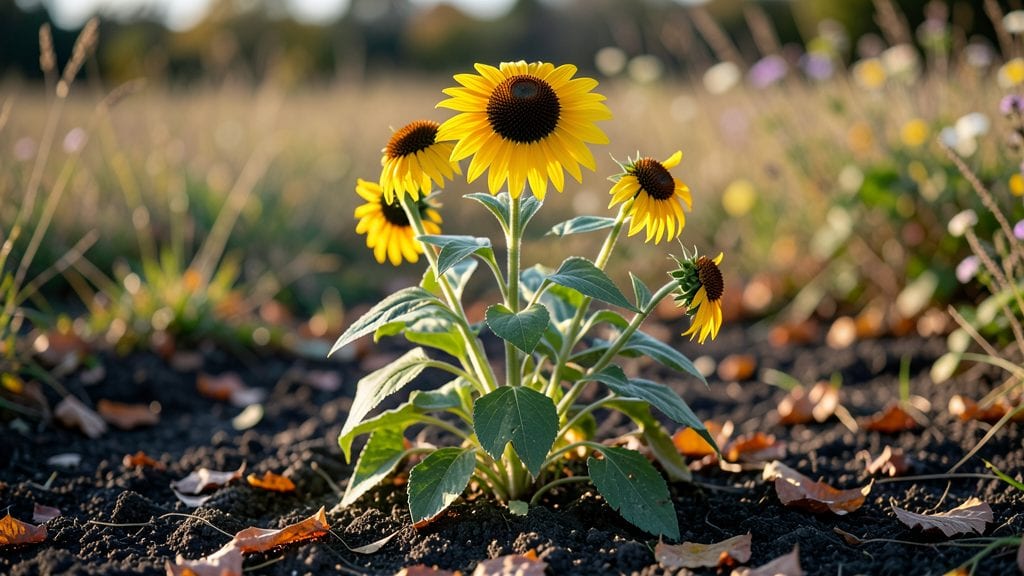
Sunlight turns these blooms into living art—yellow ombre coneflower transforms borders and meadows with its soft gradient of gold, cream, and blush hues. 🌻 The way light shifts through petals creates an ever-changing display, catching the eye from dawn till dusk.
This isn't just a flower; it's a sunlit statement piece that keeps pollinators buzzing from early summer through frost.
Pair it with lavender for a dreamy cottage garden or mix with black-eyed Susans for a wildflower meadow vibe. The gradient effect works best in sunny, open spaces where the blooms can catch light from multiple angles—think garden borders, pollinator patches, or even container arrangements.
You'll get both beauty and function: bees, butterflies, and hummingbirds can't resist the allure.
📚 In This Guide
- What you need
- Instructions
- Tips and common mistakes
- Wrapping up and next steps
What you need
- ● Yellow Ombre Coneflower Seeds – Choose Echinacea purpurea varieties like ‘White Swan’ or ‘Green Envy’ for natural gradient effects (10-20 seeds for a small patch, 50+ for larger areas).
- ● Well-draining potting mix – A blend of 60% garden soil, 30% compost, and 10% perlite (1-2 cubic feet per plant).
- ● Containers or garden bed – 6-inch pots for seedlings or a sunny, open garden spot (6+ hours of sunlight daily).
- ● Organic fertilizer – Balanced 10-10-10 NPK (1 tbsp per plant at planting, then monthly).
- ● Watering can or hose – With a gentle spray nozzle to avoid disturbing seeds.
- ● Gloves & knee pads – For comfortable planting.
- ● Trowel or transplanting spade – For digging holes (1 inch deep for seeds, 2 inches for cuttings).
- ● Mulch (straw or pine needles) – To retain moisture (1-2 inches around plants).
- ● Pruning shears – For deadheading spent blooms (sterilized with rubbing alcohol).
- ○ Pollinator-friendly companions – Optional: Plant nearby with bee balm, black-eyed Susans, or lavender for a buzzing garden!
Step-by-Step guide to growing stunning yellow ombre coneflowers
Here’s how I cultivate these sun-loving perennials for bold, pollinator-friendly blooms that last.
🌱 Step 1: Choose the Perfect Planting Spot
Coneflowers thrive in full sun—at least 6-8 hours daily—so scout your yard for the sunniest, most open location. I avoid planting under trees where roots compete for moisture and shade cuts bloom intensity. The gradient effect of ombre varieties shines best when exposed to direct sunlight, so prioritize a spot with unobstructed sky views.
Test your soil’s drainage by digging a 6-inch hole and filling it with water. If it drains within 2 hours, your site is ideal. Clay-heavy soil? Amend with 2-3 inches of compost before planting. Coneflowers hate soggy roots, so raised beds or slopes work beautifully for these drought-tolerant stars.
🪴 Step 2: Plant with Proper Spacing and Depth
Dig holes twice as wide as the root ball but only as deep as the container’s bottom. Gently remove the plant, loosen tangled roots, and place it so the top of the root ball sits level with the surrounding soil—burying too deep suffocates stems. I always tap the soil lightly around the edges to eliminate air pockets, which helps roots establish faster.
Space plants 18-24 inches apart for full, gradient-filled blooms. Crowding leads to weak stems and fewer flowers, while proper spacing ensures airflow that prevents fungal diseases like powdery mildew. Water deeply right after planting to settle the soil and encourage root spread.
☀️ Step 3: Water and Fertilize for Gradient Perfection
Water deeply once a week during the first growing season, aiming for 1 inch of moisture per week. Let the top 2 inches of soil dry between waterings—overwatering dulls the vibrant yellow ombre tones. Mulch with 2-3 inches of shredded bark to retain moisture and suppress weeds, but keep mulch 3 inches away from stems to prevent rot.
Skip heavy fertilizers—coneflowers prefer lean soil. In early spring, scatter ½ cup of 5-10-5 fertilizer around each plant and water it in. Too much nitrogen produces lush foliage but fewer blooms, so I avoid feeding after midsummer. The natural gradient effect thrives in balanced, undisturbed soil.
✂️ Step 4: Prune for Continuous Blooms and Shape
Deadhead spent blooms by snipping stems 2-3 inches below the flower head with clean pruners. This encourages a second flush of flowers and maintains the gradient’s vibrancy. I prune in late summer after the first bloom wave fades, but never cut back more than ⅓ of the plant—coneflowers store energy in their roots for next season.
In early spring, trim back dead or damaged stems to 4-6 inches tall before new growth appears. This prevents disease and gives the plant energy to produce bold, gradient-filled blooms. Avoid heavy pruning in fall—it reduces winter hardiness.
Tips & tricks for perfect yellow ombre coneflower blooms
These sun-loving perennials reward patience with dramatic gradient blooms—here's how to maximize their potential.
Sunlight Strategy: The 6-8 hours of daily sunlight specified isn't just about blooms—it's about preserving that signature ombre effect. I've noticed the most vibrant gradients develop when plants receive morning sun (6am-noon) plus afternoon light (2pm-6pm). Early morning dew can also enhance those yellow hues, so avoid planting in areas with heavy afternoon shade that blocks this critical light exposure.
Root Zone Insight: That 2-hour drainage test in Step 1 is your best friend for preventing root rot. I've learned the hard way that soggy soil turns those beautiful yellow petals into dull, wilted messes. For heavy clay soils, consider mixing in perlite or coarse sand to improve drainage without altering the natural soil structure too dramatically. The goal is to mimic the well-draining conditions these native plants thrive in.
Pruning Precision: When deadheading in late summer (Step 4), I always use sharp, clean pruners and make cuts at a 45-degree angle just below the flower head. This technique prevents water from pooling on the stem, which reduces fungal diseases. For the spring pruning, I never cut below the 4-6 inch mark—this ensures you're not removing too much of the plant's energy reserves before the growing season really kicks in.
Fertilizer Fine-Tuning: The ½ cup of 5-10-5 fertilizer recommendation is spot-on for early spring feeding, but I've found that applying it in a circular pattern about 6 inches away from the plant's base (not touching the stems) gives even better results. This creates a nutrient-rich zone that encourages strong root development without overpowering the plant's natural growth patterns. Too much nitrogen later in the season will indeed give you foliage at the expense of those stunning blooms.
Pro Tips for Yellow Ombre Coneflower
- These sun-loving perennials reward patience with dramatic gradient blooms—here's how to maximize their potential.
- Sunlight Strategy: The 6-8 hours of daily sunlight specified isn't just about blooms—it's about preserving that signature ombre effect.
- Root Zone Insight: That 2-hour drainage test in Step 1 is your best friend for preventing root rot.
Frequently asked questions
Got questions about growing or styling yellow ombre coneflowers? You’re not alone! Here are answers to the most common queries—so you can enjoy these sun-loving beauties with confidence.
How do I care for yellow ombre coneflowers in hot climates?
These tough blooms thrive in heat but need well-draining soil and moderate watering (about 1 inch per week). Mulch around the base to retain moisture, and avoid soggy soil—root rot is their biggest foe. Pro tip: Prune back faded blooms to encourage more flowers and extend the season!
When is the best time to plant yellow ombre coneflowers?
Plant them in early spring or fall for optimal root establishment. If your zone has mild winters, you can also sow seeds directly in late summer. Just ensure the soil is 60°F or warmer—they germinate best in warmth. Bonus: They self-seed, so you might spot volunteers popping up next year!
Can I mix yellow ombre coneflowers with other flowers?
Pair them with purple salvia, black-eyed Susans, or lavender for a striking contrast. For a cottage-garden look, add shasta daisies or Russian sage. Just avoid overly tall plants that might shade them out—they love full sun (6+ hours daily)!
Why aren’t my coneflowers attracting pollinators?
If bees and butterflies ignore them, check these fixes:
- Deadhead spent blooms to encourage new flowers.
- Ensure they’re not over-fertilized (they prefer lean soil).
- Add a shallow water source nearby—pollinators need hydration!
What’s a good alternative if I can’t find yellow ombre coneflowers?
Try these pollinator-friendly alternatives with similar vibrancy:
- Mexican sunflower (Tithonia) – Bold orange-yellow blooms.
- Blanket flower (Gaillardia) – Drought-tolerant and long-blooming.
- Goldenrod (Solidago) – Late-season nectar source.
Wrapping up and next steps
The yellow ombre coneflower is more than just a stunning addition to your garden—it’s a pollinator’s paradise and a low-maintenance superstar. With its vibrant gradient blooms and long-lasting beauty, this flower brings joy, color, and life to any outdoor space. 🌼
Ready to grow your own? Grab your gardening gloves, pick a sunny spot, and let nature do the rest—your pollinator friends (and your neighbors!) will thank you. Happy planting!