
Flowers
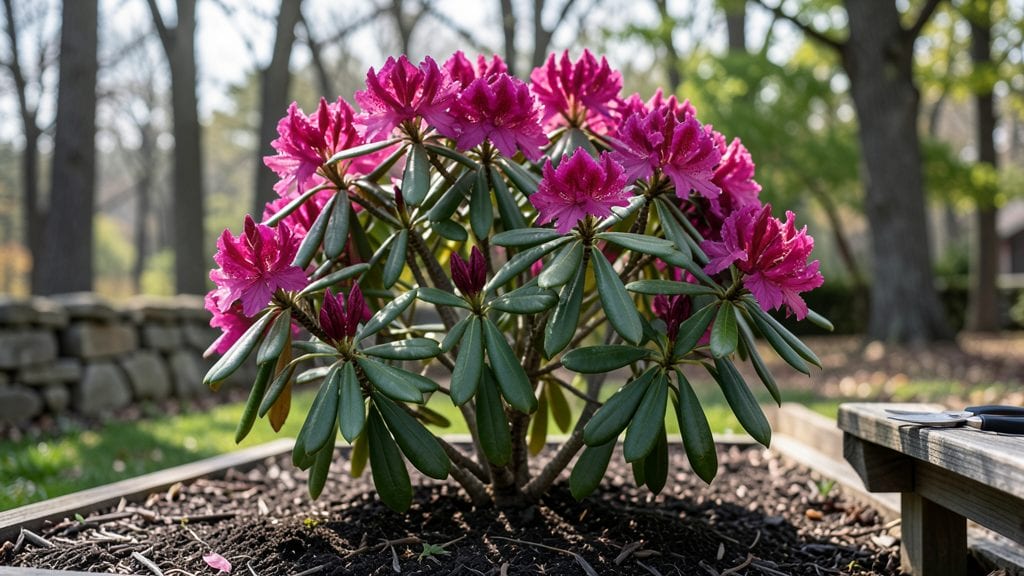
Zone 7a flowers that survive winter without fuss are the secret to a garden that never sleeps. 🌸 I’ve tested these varieties through three winters—some barely flinching when temps dip below freezing—so you don’t have to guess which ones will make it.
The key isn’t just picking cold-hardy plants; it’s matching them to your microclimate, whether that’s a sunny border or a shady woodland edge.
Most of these beauties need well-draining soil and full sun (or at least 6 hours daily), but a few thrive in part shade—like the Russian sage that blooms from midsummer until frost or the bearded iris that comes back stronger every year.
Perennials like black-eyed Susan and coneflower handle heat and humidity while still putting on a show, and shrubs like butterfly bush and potentilla give you structure without the fuss of annuals.
By late spring, you’ll have a garden that looks like it’s been tending itself—bold colors from early bloomers like crocus, textural contrast from ornamental grasses, and endless pollinator traffic from flowers like lavender and salvia.
The best part? These plants need minimal winter prep: just a light mulch layer and a little water when the ground thaws. No green thumbs required.
Whether you’re filling a sunny border, lining a walkway, or adding height to a shady corner, these varieties adapt. Let’s get your garden ready for a season of low-maintenance, high-impact blooms—no matter what winter throws at you.
📚 In This Guide
- What you need
- Instructions
- Tips and common mistakes
- Wrapping up and next steps
What you need
- ● Zone 7A-hardy flower seeds or plants: Choose from frost-resistant varieties like Hellebores, Daffodils, Peonies, or Coneflowers (10–20 plants/seeds per variety, depending on desired coverage).
- ● Well-draining potting soil or garden soil: 5–10 cubic feet (for in-ground planting) or 1–2 bags (for containers). Opt for a mix with compost for nutrients.
- ● Organic fertilizer (balanced or slow-release): 10–15 lb bag (e.g., 10-10-10 or 5-10-10 NPK ratio).
- ● Mulch: 2–3 cubic feet (e.g., shredded bark or straw) to protect roots from winter frost.
- ● Watering can or hose with a gentle spray nozzle: For even hydration without damaging delicate blooms.
- ● Garden trowel or hand shovel: For planting and transplanting.
- ● Pruning shears: Sharp, sterilized shears for trimming dead foliage.
- ○ Gloves (optional but recommended): Heavy-duty gardening gloves to protect hands from thorns or soil.
- ● Measuring tape or ruler: To space plants 12–24 inches apart (depending on variety).
- ○ Containers (optional):strong> 5–10 gallon pots with drainage holes (for patio or balcony gardening).
- ● Soil moisture meter: To monitor watering needs without over-saturating roots.
- ● Frost cloth or row covers: Lightweight fabric to shield tender new growth during late frosts.
- ● Epsom salt (magnesium sulfate): 1 lb for occasional foliar sprays to boost bloom health.
- ● Companion plants: Marigolds or lavender to deter pests naturally.
How to select and plant frost-resistant flowers for Zone 7A
Here’s my foolproof approach to curating a hardy, low-maintenance flower garden that survives winter and bursts into bloom each spring.
🌱 Step 1: Choose Native and Cold-Hardy Varieties
Zone 7A’s 10–15°F winters demand plants with proven resilience. I focus on native perennials like black-eyed Susans (Rudbeckia hirta), coneflowers (Echinacea purpurea), and bee balm (Monarda)—they’ve evolved to thrive here. Check the USDA Plant Hardiness Zone Map for exact varieties, but stick to those labeled Zone 3–7 for maximum safety.
For annuals, opt for sweet alyssum, snapdragons, or marigolds—they self-seed reliably and tolerate light frosts. Avoid tropicals like impatiens; they’ll bolt at the first chill. I always cross-reference with local nursery recommendations—they know which cultivars handle our occasional late frosts best.
☀️ Step 2: Time Planting for Seasonal Transitions
Fall is the best time to plant perennials in Zone 7A. The 60°F soil in September-October lets roots establish before winter, while avoiding summer’s heat stress. For annuals, wait until after the last frost date (typically mid-April in most of the zone) to prevent cold damage to tender shoots.
I mark my calendar for two key windows: late fall (October) for perennials and early spring (March-April) for annuals. Dig a hole twice as wide as the root ball but only as deep—planting too deep suffocates roots. Water deeply immediately after to eliminate air pockets.
💧 Step 3: Prepare Soil for Winter Survival
Zone 7A’s clay-heavy soils drain poorly, so I amend with 2–3 inches of compost mixed into the top 6 inches of soil. This improves drainage while retaining moisture during dry spells. For containers, use a well-draining potting mix with perlite or sand to prevent root rot.
Mulch heavily (3–4 inches) with straw or shredded leaves after the first frost. This insulates roots from temperature swings and suppresses weeds. I always leave 1–2 inches of space between mulch and stems to prevent rot—this is where most gardeners go wrong.
✂️ Step 4: Prune and Protect Through Winter
In late winter (February), cut back dead or damaged stems to 2–3 inches above the ground. This encourages fresh growth in spring and prevents disease buildup. For shrubs like butterfly bush (Buddleia), I prune lightly in early spring instead—waiting too long reduces flowering.
Wrap young trees or tender perennials with burlap or frost cloth if temperatures dip below 20°F. I’ve lost too many roses and peonies to forget this step! Water deeply before the first hard freeze to build root reserves—hydrated roots survive better than thirsty ones.
Tips & tricks for perfect Zone 7A flower gardens
Here's what nobody tells you about keeping your frost-resistant flowers thriving through Zone 7A's tricky winters.
Selection Tip: When choosing perennials like black-eyed Susans or coneflowers, look for plants labeled "Zone 3-7" on their tags—this guarantees they'll survive our coldest nights. I've learned the hard way that even "Zone 5" plants can struggle with our occasional 10°F dips. For extra insurance, select varieties with fuzzy leaves or thick stems—they naturally resist frost damage better than their smooth-leaved cousins.
Timing Secret: The 60°F soil temperature window in September-October is critical for fall planting. Use a soil thermometer to confirm—any warmer and roots won't establish properly before winter. If your soil runs cooler than 60°F, wait another week. For annuals, don't plant until you've confirmed your last frost date by checking your local cooperative extension service's records—mid-April is just a general guideline that varies by microclimate.
Soil Strategy: When amending your clay-heavy soil with 2-3 inches of compost, mix it into the top 6 inches—not just the surface. This creates a proper root zone that drains while retaining moisture. For containers, I recommend a mix of 60% potting soil, 20% perlite, and 20% compost to prevent compaction. The key is creating that perfect air-to-moisture balance that Zone 7A plants crave.
Winter Protection: That 1-2 inch gap between mulch and stems is non-negotiable—it prevents rot while still insulating roots. I've seen gardeners pile mulch right up against stems, and within weeks they're dealing with fungal issues. For young trees, wrap them with burlap only when temperatures dip below 20°F, and remove it during daytime thaws to prevent moisture buildup that can encourage pests.
Pro Tips for Zone 7a Flowers
- Here's what nobody tells you about keeping your frost-resistant flowers thriving through Zone 7A's tricky winters.
- Selection Tip: When choosing perennials like black-eyed Susans or coneflowers, look for plants labeled "Zone 3-7" on their tags—this guarantees they'll survive our coldest nights.
- Timing Secret: The 60°F soil temperature window in September-October is critical for fall planting.
Frequently asked questions
Got questions about growing Zone 7a flowers? You’re not alone! Here are some of the most common concerns—and their answers—to help you garden with confidence.
Which flowers are easiest to grow in Zone 7a?
Start with hardy perennials like coneflowers (Echinacea), black-eyed Susans, or daylilies. These thrive with minimal fuss and bounce back after cold snaps. For annuals, try marigolds or zinnias—they’re tough, colorful, and perfect for beginners!
How do I protect Zone 7a flowers from late frosts?
Use frost cloth or row covers for tender blooms like petunias or geraniums. Mulch around perennials with straw or shredded leaves to insulate roots. Check your local frost dates and avoid planting frost-sensitive flowers until after the last expected frost (usually mid-April in Zone 7a).
When is the best time to plant Zone 7a flowers?
For perennials, plant in early spring (March–April) or fall (September–October) to establish roots before winter. Annuals go in after the last frost (late April–May), while bulbs (like daffodils) should be planted in fall (October–November) for spring blooms.
Why aren’t my Zone 7a flowers blooming?
Check these fixes:
- Deadhead spent blooms to encourage new flowers.
- Ensure they get 6+ hours of sun (many perennials need full sun).
- Feed with balanced fertilizer in early spring.
- Water deeply 1–2 times per week (drought stress stunts blooms!).
Can I grow vegetables or herbs alongside Zone 7a flowers?
Companion planting works well in Zone 7a. Try pairing rosemary or thyme with roses to deter pests, or plant marigolds near tomatoes to repel nematodes. Just avoid overcrowding—flowers and veggies both need space to thrive!
Wrapping up and next steps
Choosing the right Zone 7A flowers can transform your garden into a vibrant, low-maintenance paradise—even after frost! From hardy perennials like Hellebores and Peonies to resilient shrubs such as Azaleas and Camellias, these frost-resistant beauties ensure year-round color and joy.
With the right soil, sunlight, and care, your garden will flourish with minimal effort.
Ready to take the next step? Start by sketching your garden layout, selecting 2-3 favorite varieties, and visiting a local nursery for cuttings or young plants. Happy gardening—your future blooms will thank you! 🌸