
Flowers
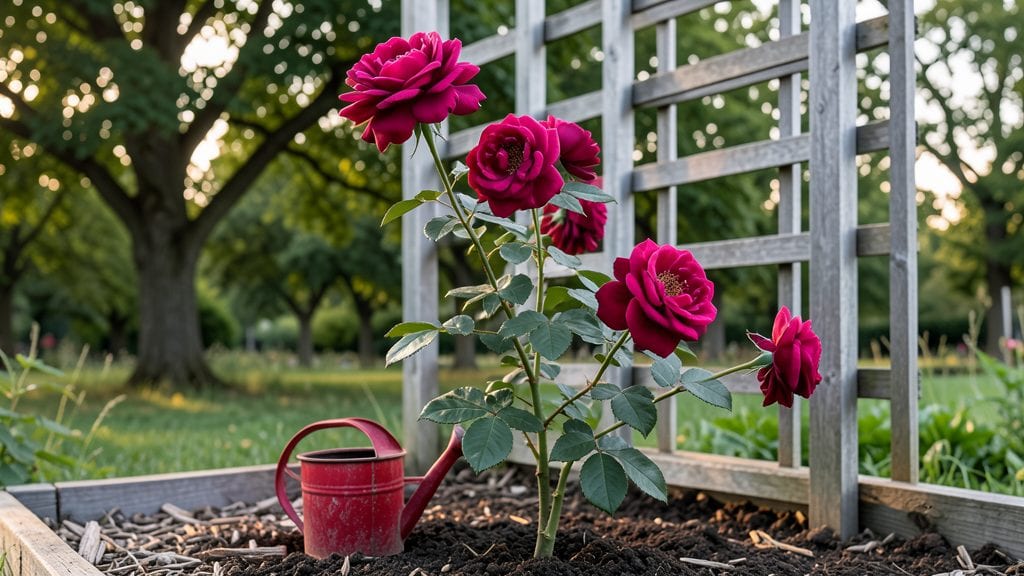
Transforming your Pacific Northwest garden into a pollinator paradise begins with mastering all things flowers—choosing hardy blooms that flourish effortlessly in the region’s lush, mild climate. 🌸 The secret?
Pairing native wildflowers like penstemon and Oregon grape with classic perennials such as coneflowers and black-eyed Susans for a garden that hums with bees, butterflies, and hummingbirds all season long.
Low-maintenance doesn’t mean boring—think drifts of salvia, clumps of catmint, and bold dahlias that bloom from summer through fall. These plants handle the rain, resist pests, and still deliver the kind of vibrant color that makes neighbors stop and stare.
The key is layering plants by height and bloom time so your garden never looks bare.
You’ll end up with a space that feels alive, not like a chore—where every visit reveals something new. Picture morning sun on lavender spires, bees buzzing through late-summer asters, and the occasional hummingbird darting between phlox. This isn’t just a garden; it’s a living tapestry that changes with the seasons.
Works for small city yards, sprawling rural plots, or even container gardens on patios. Let’s turn your corner of the PNW into a magnet for pollinators—without the high-maintenance drama. Here’s how to make it happen.
📚 In This Guide
- What you need
- Instructions
- Tips and common mistakes
- Wrapping up and next steps
What you need
- ● Native flowering plants (5-10 varieties): Oregon grape (Mahonia aquifolium) – 3 plants
- ● Pacific coast iris (Iris tenax) – 5 plants
- ● Yarrow (Achillea millefolium) – 5 plants
- ● Sword fern (Polystichum munitum) – 3 plants (for ground cover)
- ● Salal (Gaultheria shallon) – 3 plants (for structure)
- ● Soil amendments: Compost (1-2 bags, 40 lbs each)
- ○ Peat moss or coconut coir (1 bag, 4 cu. ft.) – optional for acidic soil
- ● Mulch: Wood chips or bark mulch (2-3 bags, 2 cu. ft. each)
- ● Watering supplies: Drip irrigation kit or soaker hose (10-15 ft. length)
- ○ Watering can (5-gallon, optional for hand-watering)
- ● Basic gardening tools: Trowel (for planting)
- ● Pruners (bypass or felco)
- ● Garden gloves (1 pair)
- ● Hand fork (for loosening soil)
- ● Measuring & layout: Measuring tape (10 ft.)
- ● Stakes & twine (for marking plant spacing)
- ○ Safety & extras: Knee pads (1 pair, optional but comfy!)
- ○ Wheelbarrow (1, optional for hauling soil)
- ● A sunny or partially shaded spot (6+ hours of sunlight for most natives)
- ● Well-draining soil (amend if clay-heavy)
- ● Local knowledge or a PNW-specific planting guide (check Xerces Society for native plant lists)
- ● Patience! Native plants thrive long-term but may take 1-2 years to fully establish. 💪
How to design a low-maintenance pollinator garden for the Pacific Northwest
A thriving garden that attracts bees, butterflies, and hummingbirds doesn’t need constant work—just the right plants and setup.
🌱 Step 1: Choose Native Plants for Year-Round Interest
Start with Pacific Northwest natives like sword fern, salal, and Oregon grape—they thrive in our climate and provide food for pollinators from early spring to late fall. I like to mix perennials (like beebalm and yarrow) with shrubs (such as red-flowering currant) to ensure blooms in every season. These plants need little water once established and handle our damp winters beautifully.
Skip annuals unless you’re committed to replanting yearly. Instead, focus on low-maintenance perennials that return stronger each year. For example, lupine blooms in spring, while goldenrod lights up fall gardens—both favorites of bees and butterflies. Check local nurseries for certified native plants to avoid invasive species that can harm ecosystems.
☀️ Step 2: Site Selection and Sunlight Balance
Most pollinator plants need at least 6 hours of sun daily, but some, like sword fern, tolerate partial shade. I always scout the garden spot first—watch where sunlight hits at different times of day. A mix of sun and partial shade works best for a layered look. If your yard is mostly shady, opt for shade-tolerant natives like foamflower or wild ginger to keep pollinators visiting.
Place taller plants (like red elderberry) at the back and shorter ones (such as checker mallow) in front. This creates visual layers and makes it easier for pollinators to navigate. Avoid overcrowding—give each plant 12-18 inches of space so they don’t compete for sunlight or water.
💧 Step 3: Improve Soil and Mulch for Resilience
Pollinator plants don’t need rich soil, but they do best in well-draining, slightly acidic soil (pH 5.0-7.0). Mix 2-3 inches of compost into the top 6 inches of soil before planting to boost fertility without overdoing it. In the Pacific Northwest, our natural soil is often dense, so amending it helps roots establish faster.
After planting, spread 3-4 inches of mulch (like cedar chips or leaf litter) to retain moisture and suppress weeds. I avoid plastic mulch—it traps heat and can harm beneficial insects. Instead, use organic mulch that breaks down slowly and adds nutrients over time. Water deeply once a week during dry spells, but let the soil dry slightly between waterings to prevent root rot.
🌿 Step 4: Add Water and Shelter for Pollinators
Pollinators need clean water sources, especially in dry summers. Place a shallow birdbath or saucer filled with pebbles and water so insects can perch safely. I like to add small stones to create landing spots—this prevents them from drowning. Keep the water fresh by refilling every 2-3 days to avoid mosquito breeding.
Provide shelter from wind and rain with native shrubs or a small brush pile in a corner. Butterflies and bees seek refuge in dense foliage, and birds (which help control pests) will use it too. Avoid pesticides entirely—even "organic" sprays can harm pollinators. Instead, rely on natural pest control like ladybugs and lacewings, which thrive in healthy gardens.
⏰ Step 5: Maintain with Minimal Effort
Once established, these plants need almost no maintenance. Deadhead spent blooms in late summer to encourage fall flowers, but leave seed heads over winter—they provide food for birds and shelter for beneficial insects. I pull weeds once a month in spring and early summer, but after that, the mulch keeps them at bay.
Fertilize only if needed—too much nitrogen reduces flowering. If plants look weak, add a light layer of compost in early spring. Prune red-flowering currant or salal in late winter to shape them, but avoid heavy pruning unless necessary. The key is observation: Watch for pests or diseases early, but most native plants handle our climate with ease.
Tips & tricks for creating a thriving pollinator garden
Here's what nobody tells you about making your garden truly buzz with life—without the endless upkeep.
Layer for Continuous Bloom: In Step 1, when selecting your native plants, aim for a staggered bloom schedule. Pair early spring bloomers like lupine with mid-season favorites such as beebalm, and finish with late-season stars like goldenrod. This creates a never-ending buffet for pollinators throughout the growing season. I've seen hummingbirds visit gardens for months straight when this layering works right—it's like having an all-you-can-eat restaurant open year-round.
Sunlight Mapping Secret: Before planting, observe your garden at different times of day during Step 2. What looks like full sun in the morning might be shade by afternoon. Mark these changes with stakes or flags to plan your layout. I once placed sun-loving red elderberry in what I thought was full sun, only to have it struggle when afternoon shade moved in. A little observation goes a long way in preventing wasted plants.
Soil Test First: While Step 3 mentions compost, take it one step further by testing your soil's pH before amending. Most Pacific Northwest native plants prefer slightly acidic soil (pH 5.0-7.0), but without testing, you might be overdoing the compost. Local extension offices often offer free or low-cost soil tests. I've seen gardens where too much compost actually hurt plants by making the soil too rich and reducing flowering—counterintuitive, but true.
Water Station Design: When creating your pollinator water source in Step 4, think beyond just a birdbath. Add flat stones that extend into the water at different depths—this gives bees and butterflies multiple safe landing options. I've watched bees drown in shallow dishes because they couldn't get purchase. The right design turns a simple water feature into a lifesaving station.
Pro Tips for All Things Flowers
- Here's what nobody tells you about making your garden truly buzz with life—without the endless upkeep.
- Layer for Continuous Bloom: In Step 1, when selecting your native plants, aim for a staggered bloom schedule.
- Sunlight Mapping Secret: Before planting, observe your garden at different times of day during Step 2.
Frequently asked questions
Got questions about creating a pollinator-friendly garden in the Pacific Northwest? You’re not alone! Here are some of the most common queries—plus straightforward answers to help you get started.
What are the easiest low-maintenance flowers to attract pollinators?
The PNW’s mild climate makes it easy to grow native favorites like yarrow, lupine, and beebalm. These thrive with minimal watering, resist pests, and bloom for months. Pro tip: Stick to drought-tolerant species—once established, they’ll ask for little beyond occasional deadheading!
How long does it take for a pollinator garden to become established?
Most native perennials take 1–2 years to fully root and bloom. Annuals (like California poppies) may flower in their first season but require replanting yearly. Patience pays off: The second year, you’ll see explosive growth and buzzing activity!
Do I need to water my pollinator plants daily?
Not at all! Once established, most PNW natives thrive on rainfall alone. Water deeply but infrequently (every 1–2 weeks) during dry spells. Save time: Group plants with similar needs and use drip irrigation or soaker hoses for efficiency.
Why aren’t bees visiting my flowers?
Check for these common issues:
- Timing: Many bees are active mid-morning to late afternoon—observe before assuming a problem.
- Pesticides: Even "bee-safe" sprays can harm pollinators. Skip chemicals entirely.
- Lack of diversity: Include early spring (e.g., oregano) and late-season blooms (e.g., goldenrod) for year-round appeal.
Can I use non-native flowers in my pollinator garden?
While native plants are ideal, some non-natives (like lavender or cosmos) can supplement your garden. Avoid invasive species (e.g., English ivy)—they outcompete locals. Best practice: Aim for 70% natives to ensure maximum benefit for local ecosystems.
Wrapping up and next steps
From vibrant coneflowers to hardy lupines, the Pacific Northwest offers a pollinator paradise that’s as beautiful as it is easy to care for. Whether you’re a seasoned gardener or just starting out, these low-maintenance blooms bring joy to bees, butterflies, and your backyard—without the fuss! 🌸
Ready to transform your space? Start small—pick one or two of these resilient plants and watch your garden thrive. Your pollinators (and future self) will thank you! Happy planting! 🌿