
Flowers
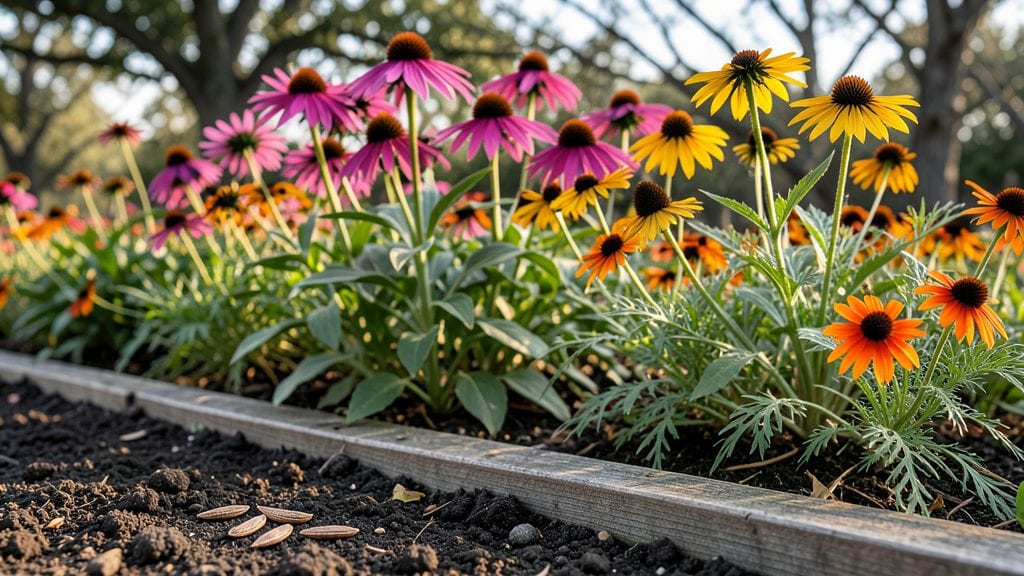
A wildflowers perennial mix transforms your Pacific Northwest garden into a buzzing, colorful ecosystem with almost no effort. 🌸 I remember my first meadow patch—just scattered seeds and forgotten—now humming with bees and butterflies all summer long.
The right mix thrives in our damp winters and mild summers, needing only occasional watering once established.
These hardy perennials return year after year, outcompeting weeds naturally while providing season-long blooms from spring to fall. You’ll get a blend of native species like yarrow, lupine, and checkermallow that attract pollinators while requiring zero deadheading or fuss.
Perfect for sunny borders, wild meadows, or even container gardens on your patio.
Imagine a garden that looks effortless but works hard—supporting bees, butterflies, and birds while cutting your maintenance time by 80%. The colors shift with the seasons: purple in spring, gold in summer, and deep reds in fall.
This isn’t just a garden; it’s a thriving habitat that keeps giving back.
Whether you’re filling a small border or creating a full meadow, the key is choosing a Pacific Northwest-specific mix—one that handles our wet winters and dry summers. Start small, let nature do the work, and watch your garden become a pollinator hotspot without the upkeep of traditional flowers.
📚 In This Guide
- What you need
- Instructions
- Tips and common mistakes
- Wrapping up and next steps
What you need
- ● Wildflowers Perennial Mix: 1–5 lbs (depending on garden size; ~1 lb covers ~100 sq ft). Choose a Pacific Northwest-specific blend (e.g., lupine, yarrow, penstemon, orach).
- ● Soil: Well-draining, native soil or a mix of 60% topsoil + 40% compost (avoid heavy clay).
- ● Water: Hose with a gentle spray nozzle or a watering can.
- ○ Mulch (optional but recommended): 1–2 inches of straw or wood chips to retain moisture and suppress weeds.
- ● Garden gloves (to protect your hands from prickly stems).
- ● Hand trowel or transplanting spade (for precision planting).
- ● Rake or hoe (to loosen soil and remove debris).
- ● Measuring tape or string (to mark planting areas, if needed).
- ○ Pruners (optional) (for trimming established plants in late fall).
- ● Sunlight: Full sun (6+ hours/day) or partial shade (3–6 hours). Check your garden’s light conditions!
- ● Location: A spot with minimal foot traffic (wildflowers thrive in undisturbed soil).
- ● Timing: Plant in early spring (March–April) or fall (September–October) for best results.
- ● Water source: Access to water for the first 2–3 weeks (until roots establish).
Step-by-step guide to planting a Pacific Northwest wildflower perennial mix
Transform your garden into a buzzing pollinator haven with this easy, resilient approach.
🌱 Step 1: Choose and Prepare Your Planting Site
Select a sunny location—wildflowers thrive in full sun (at least 6 hours daily), though some PNW natives tolerate partial shade. Clear existing vegetation, removing weeds and grass to prevent competition. The soil should drain well; if it's heavy clay, amend with 2-3 inches of compost mixed into the top 6 inches of soil.
Here's the thing—PNW wildflowers hate soggy roots. If your yard floods after rain, consider raised beds or mounds. Test drainage by digging a 12-inch hole, filling it with water, and checking if it drains within 4 hours. If not, raise the planting area or mix in sand or gravel for better drainage.
🪴 Step 2: Scatter Seeds for Natural, Dense Growth
Wildflower mixes contain a variety of seed sizes, so don't plant them too deeply. Lightly rake the soil surface to create a fine, textured bed—this helps small seeds make contact with the earth. Scatter seeds sparingly (about 1/4 pound per 100 square feet) since they self-seed over time. Gently press them into the soil with a board or your hand to ensure good seed-to-soil contact.
I like to mark planting areas with stakes or string to avoid overcrowding. Once scattered, cover seeds with a thin layer of soil or compost (no more than 1/4 inch deep). This protects them from wind and birds while allowing light to penetrate. Water gently with a fine mist until the soil feels evenly moist but not soggy.
☀️ Step 3: Maintain Moisture and Light for Germination
Keep the soil consistently moist for the first 4-6 weeks—this is critical for germination. Water in the early morning to allow foliage to dry by evening, reducing disease risk. Use a soaker hose or drip irrigation to avoid disturbing seeds. You'll see the first sprouts in 2-4 weeks, though some seeds may take longer.
Real talk: Don’t let the soil dry out completely during this phase, but avoid overwatering. Soggy conditions can cause seed rot. Once seedlings appear, reduce watering slightly but keep the soil damp to the touch. Thin seedlings to 6-12 inches apart once they reach 2-3 inches tall, ensuring stronger, healthier plants.
✂️ Step 4: Let Nature Take Over with Minimal Care
After the first year, your wildflowers will establish roots and require very little maintenance. Mow back brown stems in late winter (before new growth appears) to encourage fresh, vibrant blooms. Deadheading spent flowers isn’t necessary—many PNW wildflowers self-seed prolifically, creating a self-sustaining meadow over time.
Fertilizer is rarely needed—these hardy perennials thrive in poor soil. If your garden is particularly nutrient-deficient, apply a light layer of compost in early spring, but avoid heavy amendments. Watch for invasive species creeping in and remove them promptly to preserve the mix’s integrity.
💧 Step 5: Support Pollinators Year-Round
Once established, your wildflower patch will attract bees, butterflies, and hummingbirds from early spring through fall. Leave some seed heads standing in winter—they provide food for birds and shelter for beneficial insects. Group plantings in 3-5 foot clusters to create a more inviting habitat for pollinators.
Here’s where it gets fun—watch your garden transform into a living ecosystem. Over time, you’ll notice fewer pests and more biodiversity. If you’re in a dry climate, water deeply once a week during summer droughts, but most PNW wildflowers are drought-tolerant once rooted.
Tips & tricks for perfect wildflower plantings
Between us, these little details make the difference between a patchy wildflower display and a thriving pollinator paradise.
Site Selection Savvy: That 6-hour sun requirement is non-negotiable for most PNW wildflowers, but don't stress about perfect sun—partial shade works for shade-tolerant natives like Achillea lanulosa (yarrow) or Lupinus (lupine). Test your site's drainage before planting: if water pools after 4 hours, raise beds or mix in coarse sand to improve drainage. This single step prevents root rot that kills seedlings before they bloom.
Seed Scattering Strategy: The ¼ pound per 100 square feet recommendation might seem sparse, but trust me on this—wildflowers self-seed aggressively. For larger areas, divide your mix into sections and scatter seeds in concentric circles starting from the center outward. This creates natural density while preventing overcrowding. After scattering, I use a lightweight board to gently press seeds into the soil—this ensures consistent contact without burying them too deeply.
Germination Guardrails: Those critical 4-6 weeks of consistent moisture are your window for success. I've found that using a soaker hose set on a timer for 15 minutes twice daily prevents both underwatering and overwatering. Pro tip: place a clear plastic dome or even a large glass jar over newly planted areas for the first week—this creates a mini greenhouse effect that speeds germination without requiring constant attention. Just remove it once sprouts appear.
Year-Round Pollinator Planning: The 3-5 foot planting clusters mentioned create visual impact, but they also serve a functional purpose: larger groupings attract more pollinators. For maximum benefit, include at least three different bloom times in your mix—early spring (like Camassia quamash), summer (most wildflowers), and fall (like Solidago species). This ensures continuous nectar sources for bees and butterflies throughout the growing season.
Pro Tips for Wildflowers Perennial Mix
- Between us, these little details make the difference between a patchy wildflower display and a thriving pollinator paradise.
- Test your site's drainage before planting: if water pools after 4 hours, raise beds or mix in coarse sand to improve drainage.
- Seed Scattering Strategy: The ¼ pound per 100 square feet recommendation might seem sparse, but trust me on this—wildflowers self-seed aggressively.
Frequently asked questions
When is the best time to plant a wildflowers perennial mix in the PNW?
The ideal window is early spring (March–April) or early fall (September–October). These periods give seeds time to establish roots before summer heat or winter frost. For direct sowing, wait until soil temps reach at least 50°F—check with a soil thermometer or local PNW planting guides for precision!
How much water do wildflowers need after planting?
Keep soil consistently moist (not soggy!) for the first 4–6 weeks—water deeply 2–3 times per week if rainfall is light. Once established, most PNW wildflowers thrive on natural rainfall and need little extra water. Drought-tolerant varieties (like lupine or yarrow) are perfect for low-maintenance gardens.
Will wildflowers perennial mixes attract bees and butterflies?
Absolutely!
A well-balanced mix includes native PNW species like checker mallow, owl’s clover, and penstemon, which are pollinator magnets. For extra appeal, add milkweed (for monarchs) or beebalm. Pro tip: Plant in clusters (not rows) to maximize their impact—bees love "buffet-style" blooms!
Can I plant wildflowers in shady areas of the PNW?
Most sun-loving wildflowers (e.g., lupine, goldenrod) need 6+ hours of sunlight, but partial shade (3–6 hours) works for woodland-friendly mixes like trillium, bleeding heart, or shooting star. For deep shade (<3 hours), opt for native ferns or shade-tolerant ground covers alongside wildflowers.
What if my wildflowers don’t bloom the first year?
Don’t panic! Many perennials focus on root growth in Year 1, with blooms appearing in Year 2 or 3. Thin seedlings if crowded, ensure well-draining soil, and avoid heavy fertilizers (wildflowers prefer lean conditions). Patience pays off—once established, they’ll reward you with years of color!
Do I need to mow or deadhead wildflowers?
Minimal upkeep is the beauty of wildflowers! Deadhead spent blooms (pinch off faded flowers) to encourage reblooming in some species. For seed heads, leave them for wildlife (birds love them!) or cut back in late winter before new growth starts. No mowing needed—let nature do its thing!
Wrapping up and next steps
Transforming your Pacific Northwest space into a thriving pollinator paradise with a wildflowers perennial mix is simpler—and more rewarding—than you might think! These hardy, low-maintenance blooms not only bring vibrant color and life to your garden but also support local ecosystems by nourishing bees, butterflies, and hummingbirds.
With the right prep and a little patience, you’ll enjoy years of effortless beauty and biodiversity. 🌸
Ready to take the next step? Start small—whether it’s a sunny patch in your yard or a balcony container—and watch your garden flourish. Grab your mix, roll up your sleeves, and let nature do the rest! Happy planting! 🌿