
Flowers
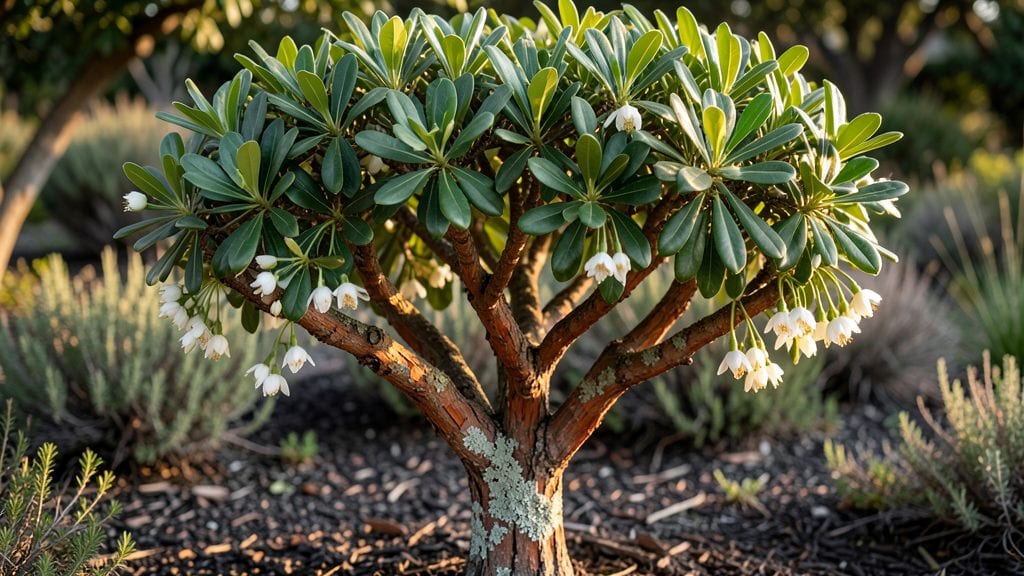
Those arbutus unedo flowers—with their delicate, starburst blooms—are the Pacific Northwest’s secret weapon for year-round interest. 🌿 I fell for them after seeing how they thrive through frost while still putting on a show in winter, their white blossoms contrasting against the dark green bark.
This isn’t just another evergreen; it’s a living sculpture that rewards patience with its unique charm.
The key to growing them successfully lies in mimicking their Mediterranean roots while adapting to cooler climates. Well-draining soil, partial shade to protect from harsh afternoon sun, and consistent moisture (but never soggy) set the stage for healthy growth.
In my zone 8 garden, they’ve handled winters down to 20°F without a flinch, proving their frost-hardy reputation. The trick is keeping the soil slightly acidic—think pine needle mulch or composted leaves.
By late fall, you’ll be rewarded with clusters of tiny, fragrant white flowers that transition into edible (yes, edible!) berries. The scent alone makes it worth growing, but the winter interest is what truly steals the show—especially when snow dusts the branches.
Prune lightly in late winter to shape the shrub and encourage new growth, but avoid heavy cuts that remove next year’s flowers.
Common challenges? Overwatering and poor drainage are the biggest culprits, leading to root rot. If you’re in a wetter climate, raise the plant on a mound or amend the soil with gritty materials like perlite.
Patience is key—these shrubs can take 3-5 years to establish and flower, but once they do, they’ll be the talk of your neighborhood. Ready to add one to your collection?
📚 In This Guide
- What you need
- Instructions
- Tips and common mistakes
- Wrapping up and next steps
What you need
- ● Arbutus unedo plant: 1 nursery-grown sapling (3–5 feet tall, USDA Zones 7–9)
- ● OR seeds (requires stratification for germination)
- ● Well-draining soil: Mix 1 part peat moss or coconut coir, 1 part perlite, and 2 parts native soil (pH 5.0–6.5)
- ● Organic compost: 5–10 lbs (for nutrient-rich planting holes)
- ● Slow-release fertilizer: 10-10-10 NPK ratio (sprinkle lightly around roots)
- ● Mulch: 3–4 inches of pine bark or cedar chips (retains moisture, mimics natural habitat)
- ● Garden tools: Trowel (for transplanting)
- ● Pruners (sterilized, for shaping)
- ● Watering can or hose with soaker nozzle
- ○ Stakes & twine: (Optional but helpful for young trees in windy PNW sites)
- ● Epsom salt: 1 tbsp dissolved in water (monthly for magnesium boost)
- ● Mycorrhizal fungi: Inoculate roots at planting for better nutrient uptake
- ● Frost cloth: Lightweight cover for young seedlings during late frosts
- ● Slow-release weed barrier: Landscape fabric to suppress weeds without smothering roots
- ● pH test kit: To monitor soil acidity (aim for 5.0–6.5)
Step-by-Step guide to cultivating Arbutus unedo for stunning Pacific Northwest blooms
This evergreen beauty thrives with minimal fuss—just follow these precise steps.
🌱 Step 1: Select and Prepare the Planting Site
Arbutus unedo loves well-drained soil and partial shade, especially in the Pacific Northwest's cooler microclimates. Choose a spot with morning sun and afternoon shade—full sun can scorch the leaves, while too much shade reduces flowering. Test your soil's drainage by digging a 6-inch deep hole and filling it with water; if it drains in under 30 minutes, the site is perfect.
Here's the thing—this plant hates soggy roots. If your soil is heavy clay, amend it with 3-4 inches of organic matter (like composted leaves or pine bark) mixed into the top 12 inches. I always add a 2-inch layer of gravel at the bottom of the planting hole to improve drainage further. The roots will thank you later with vigorous growth.
☀️ Step 2: Plant at the Right Time and Depth
Fall is ideal for planting Arbutus unedo in the Pacific Northwest—it establishes roots before winter's chill. Dig a hole twice as wide as the root ball but only as deep as the container's root system. You'll know you've gone too deep if the top of the root ball sits below ground level—this smothers the plant.
Gently remove the plant from its container and loosen any circling roots with your fingers. Place it in the hole so the top of the root ball sits level with the surrounding soil. Backfill with native soil, tamping lightly every 2 inches to eliminate air pockets. Water deeply until the soil is evenly moist to 12 inches deep. Mulch with 2-3 inches of wood chips, keeping it 6 inches away from the trunk to prevent rot.
💧 Step 3: Water and Fertilize for Optimal Growth
Water newly planted Arbutus unedo twice weekly for the first 4 weeks, then taper to once weekly during dry spells. You'll know it's getting enough water when the soil feels damp to 4 inches deep—probe with your finger. Overwatering is the fastest way to kill this plant, so resist the urge to drown it.
Skip fertilizers the first year—this plant prefers lean soil. In early spring of the second year, apply a slow-release, acid-loving plant fertilizer (like one formulated for azaleas or rhododendrons) at half the recommended rate. Too much nitrogen leads to leafy growth at the expense of those stunning starburst flowers. I swear by a light hand—better to under-fertilize than overdo it.
✂️ Step 4: Prune and Maintain for Long-Term Beauty
Prune Arbutus unedo immediately after flowering (late winter/early spring) to shape the plant and encourage new growth. Remove dead, crossing, or weak branches first, then thin out 10-20% of the oldest wood to improve airflow. Never prune more than 25% of the plant in one season—this evergreen takes time to recover.
Watch for scale insects on the undersides of leaves—they're the plant's biggest pest. Spray with neem oil in early summer if you spot sticky residue (honeydew). Real talk: This plant is tough, but it will protest if neglected. A light trim annually keeps it looking its best without stressing the plant.
Tips & tricks for cultivating perfect Arbutus unedo flowers
Between us, these evergreen starbursts are easier to grow than they look—once you know the secrets.
Drainage is Everything: That 30-minute drainage test in Step 1 is non-negotiable. If your soil drains slower, create a raised bed or amend with equal parts compost and perlite mixed into the top 12 inches. I've seen soggy soil turn this plant into a sad, yellow mess—don't let that be you. The 2-inch gravel layer at the bottom of the hole works wonders for preventing root rot in our Pacific Northwest's damp winters.
Planting Depth Matters: The top of the root ball must sit level with the surrounding soil—never above or below. I learned this the hard way when my first attempt buried the trunk too deep, causing rot. Use a level tool or stick to check before backfilling. Also, those circling roots? Gently tease them apart with your fingers—they'll spread outward and establish better.
Watering Wisdom: The twice-weekly schedule in Step 3 is perfect for our region's climate, but adjust if your summer brings heatwaves. Stick your finger 4 inches deep—if it's dry, water; if damp, wait. I've seen gardeners drown these plants by following a rigid schedule without checking soil moisture. Mulch helps retain moisture, but don't pile it against the trunk—keep that 6-inch clearance to prevent rot.
Pruning Precision: That 10-20% oldest wood rule in Step 4 is crucial for airflow and flowering. I recommend using sharp, sterilized pruners to make clean cuts just above a leaf node. For larger branches, cut back to a smaller branch or bud. And remember—never prune more than 25% in one season. This plant grows slowly but steadily, and it'll reward your patience with those stunning starburst blooms.
Pro Tips for Arbutus Unedo Flowers
- Between us, these evergreen starbursts are easier to grow than they look—once you know the secrets.
- Drainage is Everything: That 30-minute drainage test in Step 1 is non-negotiable.
- Planting Depth Matters: The top of the root ball must sit level with the surrounding soil—never above or below.
Frequently asked questions
Got questions about Arbutus unedo flowers? You’re not alone!
Whether you’re a Pacific Northwest gardener or just curious about this frost-hardy beauty, here are some common queries—and their answers.
When do Arbutus unedo flowers bloom in the PNW?
These striking white starbursts typically bloom in late fall to early winter (November–January), often just before the berries ripen. In milder PNW microclimates, you might even spot them flowering in late autumn. Their frost tolerance makes them a standout in chilly gardens!
Can Arbutus unedo handle Pacific Northwest winters?
This Mediterranean native thrives in USDA Zones 7–9 and is surprisingly cold-hardy for its origins. While young plants may need winter protection, mature specimens often survive temps down to 10°F (-12°C). Just ensure well-draining soil to prevent root rot.
What’s the best way to prune Arbutus unedo after flowering?
Prune lightly in late winter or early spring to shape the plant and encourage new growth. Avoid heavy pruning—this shrub has a natural, layered habit. Remove dead or crossing branches, but leave the peeling bark and flower clusters for winter interest!
Are the flowers edible, or just the berries?
While the berries (strawberry tree fruit) are edible (sweet-tart and great for jams!), the flowers are not typically eaten. However, they’re a bees’ delight and add stunning visual appeal to pollinator gardens. Save the culinary fun for the harvest!
What’s a good alternative if Arbutus unedo is hard to find?
If you’re struggling to locate Arbutus unedo, consider these PNW-friendly alternatives with similar winter charm:
- Pieris japonica (Andromeda) – Evergreen with spring flowers.
- Viburnum bodnantense – Winter-blooming with fragrant flowers.
- Mahonia aquifolium – Hardy, spiky foliage with yellow flowers.
Wrapping up and next steps
Arbutus unedo flowers bring a touch of Mediterranean charm to the Pacific Northwest’s frost-hardy gardens, offering year-round beauty with their strawberry-like fruits and delicate blossoms. Whether you’re a seasoned gardener or just starting out, these evergreen starbursts are a rewarding addition—low-maintenance, drought-tolerant, and full of personality.
Ready to transform your landscape? 🌿 Start by selecting the perfect spot, gathering your tools, and planting with confidence. Your garden’s next masterpiece could be just a few seeds or saplings away!