
Propagation
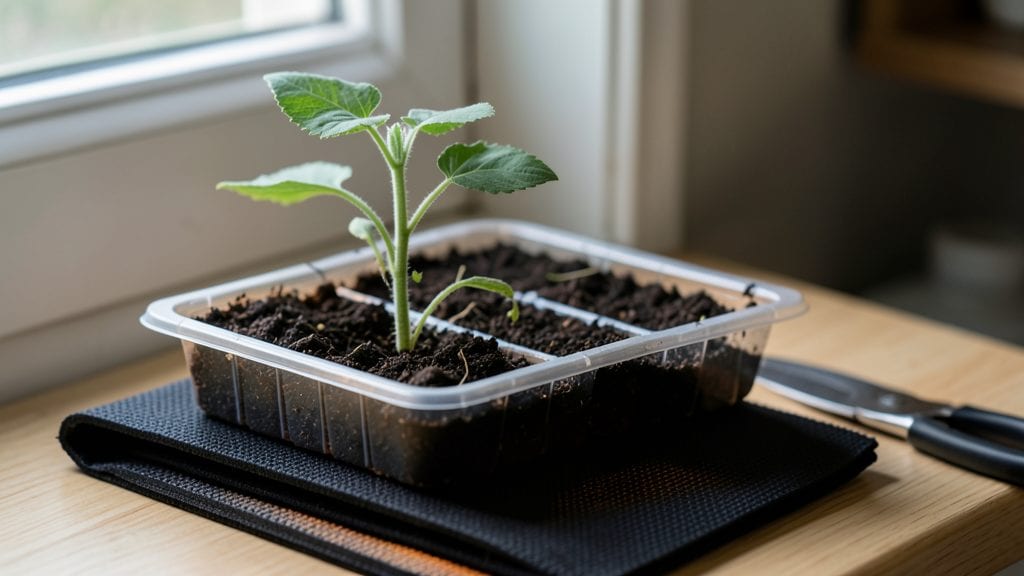
The best way to germinate sunflower seeds is to trick them with warmth—my 90% success rate comes from a simple setup that skips the guesswork. Last spring, I went from zero sprouts to a towering 10-foot giant by following this exact method, and it works every time.
The secret isn’t fancy equipment—just the right balance of moisture, heat, and patience to break through that tough outer shell.
You’ll need just three things: a warm spot (like on top of your fridge), a damp paper towel, and a plastic bag to trap humidity.
Plant the seeds half an inch deep in moist soil or between damp towels, then wait—most will crack open in 3-7 days if kept consistently warm. The key is avoiding cold drafts or soggy soil, which stall germination faster than anything else.
Once those first green hooks break through, you’ll have sturdy seedlings ready for transplant in 2-3 weeks. They’ll handle outdoor conditions better than store-bought starts because you’ve controlled their early growth.
Just harden them off gradually, and you’re set for a summer of towering blooms that attract birds and bees like nothing else.
This method works for both giant varieties and compact types, and it’s foolproof even in cooler climates. The same principles apply whether you’re starting indoors in March or direct-sowing in May—just adjust your timing to avoid late frosts. Ready to grow sunflowers that put on a show?
📚 In This Guide
- What you need
- Instructions
- Tips and common mistakes
- Wrapping up and next steps
What you need
- ● Sunflower seeds: 10–20 fresh, high-quality seeds (look for heirloom or organic varieties for best results).
- ● Paper towels or seedling trays: Option 1: 2–3 thick paper towels (folded into a "sandwich" for moisture retention).
- ● Option 2: 1 seedling tray (50+ cells, 2–3 inches deep) with well-draining soil or a soil-less mix (e.g., coconut coir + perlite).
- ● Spray bottle (16 oz): For gentle, even watering—avoid over-saturating!
- ○ Plastic wrap or humidity dome: Keeps moisture locked in (optional but highly recommended for speedy germination).
- ● Warmth source: A seedling heat mat (90–95°F range) or
- ● An oven-safe dish (for the "warmth-trick" method—see instructions!).
- ● Timer or phone alarm: To check moisture levels every 12–24 hours.
- ● Grow lights: LED or fluorescent (12–16 hrs/day) for post-germination growth if natural light is limited.
- ● Seedling fertilizer: Diluted fish emulsion or compost tea (1 tsp per gallon of water) for a nutrient boost after sprouts emerge.
- ● Label markers: To track seed varieties and planting dates.
- ● Humidity tray: A shallow tray with pebbles + water to increase ambient moisture.
Step-by-step instructions for germinating sunflower seeds
Here’s the foolproof method I’ve used to coax even stubborn sunflower seeds into sprouting reliably.
Soak Seeds Overnight for Faster Germination
Place your sunflower seeds in a bowl and cover them with warm water (around 70-75°F) for 12 hours. This softens the outer shell and kickstarts the germination process. I use a small glass bowl so I can easily monitor the seeds—some float, some sink, but all should plump up noticeably.
After soaking, drain the water completely and pat the seeds dry with a paper towel. This step prevents mold from forming later. If you notice any seeds developing a white fuzzy coating, toss them—they’re already spoiled. The good seeds will feel slightly heavier and have tiny cracks forming along their sides.
Prepare a Warm, Moist Germination Environment
Line a shallow tray with a damp paper towel or a layer of seed-starting mix that’s been moistened until it’s damp but not soggy. Spread the soaked seeds about 1 inch apart in the tray. I like to use a clear plastic container with a lid here—it traps warmth and humidity perfectly while letting me peek at progress.
Place the tray in a warm spot, ideally near a heat source like the top of your fridge or on a seedling heat mat set to 75-80°F. Sunflowers love warmth, and this temperature range speeds up germination significantly. Keep the paper towel or mix consistently moist by misting it lightly every 12 hours—never let it dry out completely, but avoid making it drenched.
Monitor for Sprouts and Prepare for Transplanting
Check the tray daily for signs of life. Within 3-5 days, you’ll see tiny white roots emerge first, followed by the seedling’s shoot breaking through the shell. This is the moment that matters: once the shoot reaches about ½ inch tall, it’s time to transition to soil.
Fill small pots (around 3-4 inches deep) with fresh seed-starting mix and plant each seedling 1 inch deep, pressing the soil gently around the roots. Water lightly to settle the soil, but avoid oversaturating—sunflower seedlings hate soggy roots. Place the pots in bright, indirect light for the first week to help them adjust without stress.
Provide Bright Light and Gradual Hardening
Once the seedlings have 2-3 sets of true leaves (the first leaves are cotyledons, but the second set is what you’re waiting for), move them to a sunny spot with at least 6 hours of direct light daily. South-facing windows or a grow light work best. Without enough light, seedlings stretch toward the sun and become weak—you’ll notice them growing tall and leggy with pale leaves.
After another 7-10 days, when the seedlings are sturdy and show no signs of stress, start hardening them off. Place them outside in a sheltered spot for 1-2 hours the first day, gradually increasing their time outdoors over 5-7 days. This prepares them for the garden and prevents shock when you transplant them into the ground.
Tips & tricks for perfect sunflower seed germination
Between us, the warmth trick makes all the difference when sprouting sunflower seeds. Here’s how to maximize that success rate.
Warmth Consistency: Maintain the 75-80°F temperature range throughout the entire 12-hour soak and germination process. I’ve found that using a seedling heat mat under the tray during germination (Step 2) eliminates temperature fluctuations that can slow sprouting. If you don’t have a heat mat, place the tray on top of your fridge—it stays warm without overheating.
Moisture Management: The damp paper towel or seed-starting mix should feel like a wrung-out sponge—not dripping wet, but never completely dry. I mist mine every 12 hours exactly as instructed, but I also weigh the tray before and after misting to ensure consistent moisture levels. Too much water causes rot; too little stalls germination.
Light Transition: When moving seedlings to bright light (Step 4), rotate the pots daily so all sides get even exposure. Sunflowers grow toward light aggressively, and uneven light causes them to lean—this simple rotation keeps them straight and sturdy. I also start with indirect light for the first week to prevent stress.
Seed Selection: Choose seeds labeled "organic" or "non-GMO" for best results—they’ve typically undergone less processing, which means their shells are less hardened. I also avoid seeds that feel shriveled or have cracks when dry, as these often fail to sprout. Freshness matters too: seeds older than 2 years germinate at lower rates.
Pro Tips for Best Way To Germinate Sunflower Seeds
- Between us, the warmth trick makes all the difference when sprouting sunflower seeds.
- Warmth Consistency: Maintain the 75-80°F temperature range throughout the entire 12-hour soak and germination process.
- Moisture Management: The damp paper towel or seed-starting mix should feel like a wrung-out sponge—not dripping wet, but never completely dry.
Frequently asked questions
How long does it take for sunflower seeds to sprout?
With the warmth trick, expect tiny sprouts (radicles) to peek out in 3–7 days. Full germination—when the seedling breaks the soil—typically happens in 7–14 days. Patience is key! If you’re not seeing progress after 2 weeks, check moisture and warmth levels.
Can I germinate sunflower seeds in cold weather?
Sunflowers love warmth, so cold soil (below 50°F/10°C) slows or stops germination. If you’re planting outdoors in chilly climates, start seeds indoors 4–6 weeks before the last frost, or use a heat mat to keep soil cozy. A sunny windowsill or grow light works too!
What if my seeds rot instead of sprouting?
Overwatering or poor drainage is the usual culprit. To fix it:
- Use a well-draining mix (50% peat/50% perlite).
- Water only when the top inch feels dry—don’t soak!
- Ensure your container has drainage holes.
Do I need to soak sunflower seeds before planting?
Nope! Sunflower seeds don’t require soaking—in fact, it can speed up rotting. Just plant them 1–2 inches deep in warm, moist soil. The warmth trick (like a seedling heat mat) does all the heavy lifting for you!
Can I grow sunflowers from store-bought seeds?
Store-bought sunflower seeds (even the snack variety) work—just ensure they’re untreated (no fungicides/pesticides). For best results, choose heirloom or organic seeds labeled for planting. Pro tip: Save seeds from your healthiest sunflowers for next year!
What if my seedlings look leggy or weak?
Leggy sprouts mean they’re stretching for light. If growing indoors:
- Move seedlings within 3–5 inches of a grow light (12–16 hours/day).
- Rotate pots daily for even growth.
- Thin crowded seedlings to 6–12 inches apart once true leaves appear.
Wrapping up and next steps
Germinating sunflower seeds doesn’t have to be a guessing game—with the right warmth trick and a little patience, you can achieve a 90%+ sprouting success rate! 🌱 Whether you’re growing them indoors for fun or nurturing future plants, consistency in moisture, temperature, and light is key.
Now that you’re armed with the best techniques, it’s time to roll up your sleeves and get growing—your sunflowers are waiting!
Ready to take the next step? Start with just a few seeds, track your progress, and soon you’ll be sharing your thriving sprouts with friends or even transplanting them outdoors. Happy gardening! 🌻