
Flowers
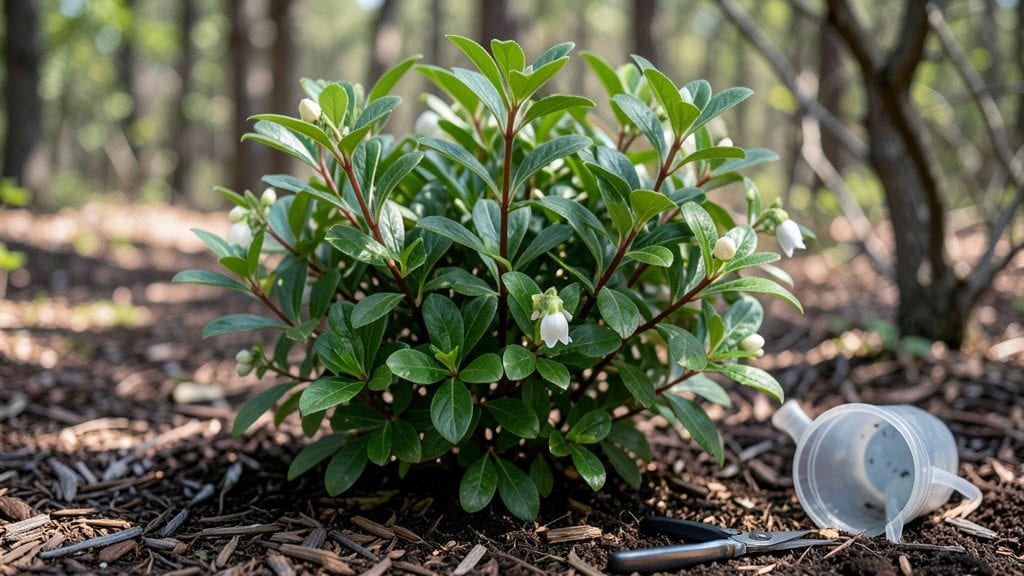
Those tiny blueberry flower buds are the secret to your shrub’s starburst blooms—and they’re far more delicate than most gardeners realize. 🌸 I’ve watched my own bushes go from sparse clusters to bursting with pink-and-white blossoms just by tweaking a few key things, and the difference in fruit set is night-and-day.
The buds form in late summer, but their fate is decided by winter care, spring pruning, and even how you water.
Here’s the thing—most gardeners prune too late or fertilize at the wrong time, and those buds never open. You need to time your pruning to right after harvest, avoid heavy nitrogen in late summer, and protect them from late frosts.
Once you get the rhythm, your bushes will reward you with weeks of pollinator-friendly blooms that hummingbirds and bees can’t resist.
By summer’s end, you’ll be harvesting plump, sweet berries straight from those same buds—if you’ve given them the right conditions. The key is patience: those buds need consistent moisture but hate soggy soil, and they’ll drop if stressed. Think of it like nurturing a promise rather than forcing results.
This works for both container-grown bushes and in-ground plantings, though potted varieties need extra winter protection. Let’s turn those buds into a pollinator magnet—and a berry bonanza—without the guesswork.
📚 In This Guide
- What you need
- Instructions
- Tips and common mistakes
- Wrapping up and next steps
What you need
- ● Blueberry plants: 1–3 Rabbiteye, Southern Highbush, or Northern Highbush varieties (choose based on your USDA hardiness zone).
- ● Size: 1–2 gallon container plants (for faster blooms) or bare-root saplings (budget-friendly).
- ○ Well-draining soil: Mix 50% native soil + 50% acidic compost (pH 4.5–5.5). Test kits are optional but recommended!
- ● Organic mulch: 2–3 inches of pine straw or pine bark fines (preserves moisture + acidity).
- ● Fertilizer: Slow-release acidic fertilizer (e.g., Osmocote or Miracle-Gro Azalea/Camellia) or fish emulsion (10-10-10 ratio).
- ● Watering can or drip irrigation: 2–3 gallons capacity (blueberries hate soggy roots!).
- ● Garden tools: Trowel or transplant spade
- ● Pruning shears (sterilized with rubbing alcohol)
- ○ Gloves (optional but highly recommended—blueberry thorns are sneaky!).
- ● Sunlight access: Full sun (6+ hours/day) for Southern varieties; partial shade (4–6 hours) for Northern types.
- ○ Pollinator-friendly extras (optional but fun!): Bee houses or native bee seed packets (e.g., borage or lavender)
- ● Bird feeders (to deter pests like raccoons)
Step-by-step guide to cultivating blueberry flower buds for year-round blooms
Here’s how to coax vibrant, pollinator-friendly blueberry blossoms—even in cooler months.
🌱 Step 1: Select and Prepare Hardy Blueberry Varieties
Choose northern highbush or southern highbush cultivars based on your USDA zone, as these thrive in cooler climates and produce earlier, more abundant buds. Dwarf varieties like ‘Top Hat’ or ‘Peach Sorbet’ are ideal for containers and small spaces, ensuring better bud visibility and accessibility.
Prune last year’s growth back by one-third in early spring, removing dead wood and crossing branches. This opens the canopy to sunlight, which is critical for bud formation. Look for plump, reddish buds—these are your first sign of healthy blooming potential.
☀️ Step 2: Optimize Light and Soil for Bud Development
Blueberries demand full sun (6+ hours daily) for robust budding, but they also need acidic soil (pH 4.5–5.5) to prevent bud drop. Test your soil with a home pH kit—if it’s too alkaline, amend with sulfur or peat moss before planting. I’ve found that container-grown blueberries (using 2–3 gallons of pine bark mix) give me precise control over pH and moisture.
Apply a balanced, slow-release fertilizer (like 10-10-10) in early spring, focusing on phosphorus to encourage root and bud growth. Avoid high-nitrogen feeds—these promote leafy growth at the expense of flowers. Water deeply once a week (or more in drought) until the top 2 inches of soil feel moist but not soggy.
💧 Step 3: Protect Buds from Late Frosts and Pests
Cover young buds with frost cloth or a row cover when nighttime temps dip below 28°F, as frost can blacken buds overnight. I’ve seen starburst blooms ruined by a single cold snap—don’t skip this step, especially in zones 5–7. Prune any frost-damaged buds immediately to redirect the plant’s energy.
Watch for blueberry gall wasps or aphids, which cluster on buds and stunt growth. Spray with neem oil (mixed at 1 tbsp per gallon of water) at the first sign of pests. Healthy buds should feel firm and slightly sticky—a sign of natural sap flow, not pest damage.
⏰ Step 4: Time Blooms for Pollinator Visits
Blueberry flowers bloom in early spring (March–April), but some varieties (like ‘Bluecrop’) produce fall blooms if given consistent care. To extend the season, plant multiple cultivars with staggered bloom times. Place a small dish of water near the plant to attract bees—you’ll see bumblebees and honeybees within days, which are essential for fruit set.
Once buds open, avoid pesticides—even organic ones can harm pollinators. Instead, handpick pests or use kaolin clay to deter insects. A successful bloom means clusters of white or pink flowers that fill the air with fragrance—this is your reward for patience.
🌿 Step 5: Maintain Bud Health Post-Bloom
After flowering, thin fruit clusters to 6–8 berries per stem to prevent overburdening the plant. This ensures next year’s buds will form stronger. Mulch with 2–3 inches of pine needles to retain moisture and acidify the soil gradually. Check buds in late summer—they should appear as small, green swellings along last year’s growth.
Here’s the thing—bud health starts now. Prune lightly in summer to remove suckers (shoots at the base) and water deeply every 10–14 days during dry spells. By fall, your plant will be primed for another round of starburst blooms—and a year-round pollinator magnet.
Tips & tricks for cultivating vibrant blueberry flower buds
Transforming your blueberry bushes into a pollinator paradise starts with these game-changing insights—each one designed to maximize those stunning starburst blooms.
Variety Selection: When choosing between northern and southern highbush varieties, consider your microclimate. 'Top Hat' thrives in containers and produces abundant buds with minimal space, while 'Peach Sorbet' offers early blooms perfect for extending your pollinator season. For container growers, dwarf varieties also make pruning easier—just remember to rotate pots occasionally for even sunlight exposure.
Pruning Precision: That one-third spring prune isn't just about aesthetics—it's about creating an open canopy that lets sunlight reach the center where buds form. I've found that cutting back to an outward-facing bud (rather than just any cut) encourages stronger growth in that direction. And here's the thing: prune on a dry day to prevent disease entry through fresh cuts.
Soil Science: The pH 4.5-5.5 range is non-negotiable for bud health, but achieving it takes patience. If your soil tests higher, don't just dump sulfur—mix it thoroughly into the top 6 inches of soil and retest in 2-3 months. For container growers, that 2-3 gallons of pine bark mix should be refreshed every 2 years to maintain proper acidity and drainage.
Frost Protection Strategy: The 28°F threshold is critical, but timing matters just as much. Cover buds in the evening when temps drop below 32°F, then remove covers in the morning to prevent overheating. I've seen buds blacken overnight when left covered through sunny afternoons—this delicate balance is what creates those perfect starburst blooms we're after.
Pro Tips for Blueberry Flower Buds
- Transforming your blueberry bushes into a pollinator paradise starts with these game-changing insights—each one designed to maximize those stunning starburst blooms.
- Variety Selection: When choosing between northern and southern highbush varieties, consider your microclimate.
- Pruning Precision: That one-third spring prune isn't just about aesthetics—it's about creating an open canopy that lets sunlight reach the center where buds form.
Frequently asked questions
Got questions about nurturing blueberry flower buds? You’re in the right place! Whether you're a beginner gardener or a seasoned pro, these answers will help you grow stunning blooms year-round.
When do blueberry flower buds typically bloom?
Blueberry flower buds bloom in early spring, usually between late February and April, depending on your climate. Southern varieties often bloom earlier (February–March), while northern types may wait until April. Frost-sensitive buds can be protected with frost cloth if temperatures drop below 25°F.
What should I do if my blueberry buds freeze or get damaged?
If buds are lightly damaged, prune dead growth in late spring and fertilize to encourage new buds. For severe frost damage, trim back to healthy wood and monitor for new growth. Prevent future issues by planting in well-drained soil and choosing cold-hardy varieties like 'Duke' or 'Jersey'.
How can I attract more pollinators to my blueberry flower buds?
Blueberries rely on bees and butterflies! Plant native pollinator-friendly flowers nearby (like lavender or clover) and avoid pesticides. Leave some "wild" areas in your garden for insects. Bonus tip: Early bloomers like crocuses can draw pollinators before blueberries open.
Can I grow blueberry flower buds in containers?
Yes! Dwarf varieties like 'Top Hat' or 'Peach Sorbet' thrive in 5-gallon pots with acidic, well-draining soil. Use a balanced fertilizer (like 10-10-10) and ensure pots have drainage holes. Container-grown bushes need more frequent watering and may need winter protection in cold zones.
What are some alternatives if my blueberry buds aren’t thriving?
If conditions aren’t ideal, try companion plants like azaleas, rhododendrons, or huckleberries—they share similar care needs. For edible alternatives, consider blackcurrants or elderberries, which also attract pollinators. Pro tip: Test soil pH (blueberries love 4.5–5.5); amend with sulfur if needed.
Wrapping up and next steps
Blueberry flower buds aren’t just a seasonal spectacle—they’re a year-round pollinator haven that brings joy, color, and life to gardens. Whether you’re a gardening newbie or a seasoned pro, these delicate blooms offer endless rewards, from vibrant starburst displays to supporting local ecosystems.
Now that you’re armed with the how-tos and what-to-knows, why not take the next step?
🌱 Plant a few blueberry bushes this season and watch your garden transform into a buzzing paradise! Start small, experiment with varieties, and enjoy the sweet (and savory!) fruits of your labor—literally. Happy gardening! 🌸