
Flowers
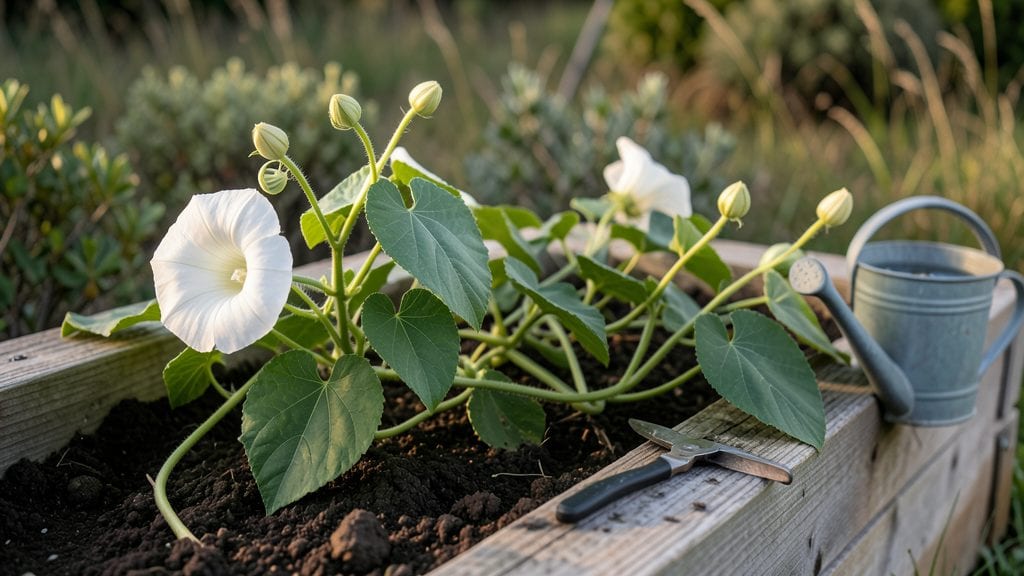
Your moon flower might be staying stubbornly closed because it’s following its natural night-blooming rhythm—these ethereal whites only unfurl when the sun dips below the horizon. 🌙 I’ve grown them for years, and the first time I saw one burst open under my porch light, I felt like I’d stumbled upon a secret garden.
The key isn’t forcing them open during the day; it’s creating the right conditions so they’ll cooperate when darkness falls.
These flowers thrive in full sun (6+ hours daily) but need well-draining soil—heavy clay or soggy roots will keep blooms closed for good. Water deeply once a week, letting the top inch dry out between soakings, and avoid overhead sprinklers that can damage delicate petals.
A little evening misting mimics natural humidity, which might encourage that magical nighttime display.
When everything’s just right, you’ll wake to velvety white trumpets already fading—proof they opened overnight. The scent? Like fresh cotton drenched in moonlight. If blooms still refuse to open, check for pests (aphids love moon flowers) or nutrient deficiencies (a balanced fertilizer in spring helps).
Patience pays off—these nocturnal beauties reward careful gardeners with their most dramatic moments after dark.
Bonus tip: Deadhead spent blooms in the morning to redirect energy into new growth. And if you’re in a cooler climate, treat them as annuals—they’re tropical at heart and won’t survive frost. With the right care, your moon flower will keep its midnight appointments, year after year.
📚 In This Guide
- What you need
- Instructions
- Tips and common mistakes
- Wrapping up and next steps
What you need
- ● Seeds or cuttings: 5–10 Ipomoea alba (moonflower) seeds or 1–2 Selaginella lepidophylla (resurrection plant) cuttings (ensure they’re fresh or certified organic).
- ● Well-draining potting mix: 1–2 gallons of a blend with perlite, vermiculite, and coco coir (avoid heavy clay soil).
- ● Containers: 1–2 pots (6–8 inches wide) with drainage holes or a shallow tray (for Selaginella).
- ● Watering can or spray bottle: For gentle hydration (overwatering is the enemy!).
- ○ Gloves: Optional but handy for handling prickly Selaginella stems.
- ● Trowel or small shovel: For transplanting or dividing plants.
- ○ Grow lights (optional): A full-spectrum LED bulb (12–16 hours/day) if natural light is limited.
- ○ Mulch (optional): Pine bark or straw to retain moisture (great for Selaginella’s desert-like needs).
- ● A sunny spot: 6+ hours of direct sunlight daily (or grow lights for indoor setups).
- ● Patience: Moonflowers can take 2–3 months to bloom; Selaginella may need drought stress to "resurrect."
- ● Nighttime viewing: A porch light or flashlight to admire those moonlit blooms! 🌙✨
Step-by-Step guide to growing closed moon flowers
Here’s how to nurture these enchanting night-bloomers in your garden.
🌱 Step 1: Choose the Right Location
Moon flowers thrive in full sun to partial shade, but they need at least 6 hours of sunlight daily for strong growth. I always plant mine in a spot with morning sun and afternoon shade—this prevents the blooms from wilting too quickly in the heat. The soil should drain well, but they tolerate a range of conditions as long as it’s not waterlogged.
If your garden gets intense afternoon sun, provide some afternoon shade with a nearby tree or lattice. Moon flowers are sensitive to heat stress, and too much direct sun can cause the buds to open prematurely or fail to open at all. Watch for leaves curling or yellowing—this is your cue to adjust the light exposure.
🌿 Step 2: Plant at the Right Time
Start seeds indoors 8-10 weeks before your last frost date or plant them directly in the garden after all danger of frost has passed. Moon flowers are tender perennials in warm climates but are often grown as annuals in cooler regions. I like to sow seeds ½ inch deep in well-draining soil, spacing them 12-18 inches apart—this gives them room to grow without competing for nutrients.
Keep the soil consistently moist but not soggy until germination, which usually takes 7-14 days. Once seedlings emerge, thin them to the strongest plants, leaving the most vigorous ones to mature. If you’re transplanting, do it in the evening to reduce stress on the plants. Water deeply after planting to help the roots establish.
☀️ Step 3: Provide Nighttime Care for Blooms
Moon flowers are famous for their nocturnal beauty, but they need the right conditions to open properly. Ensure they receive bright, indirect light in the evening—this mimics their natural habitat and encourages blooms to unfurl after dark. If your garden is too dark at night, consider placing a soft grow light near the plants to simulate moonlight.
Water in the early morning so the blooms stay dry during the day. Wet flowers in direct sunlight can lead to fungal issues or premature wilting. I also avoid fertilizing heavily once blooms appear—too much nitrogen can reduce flowering. Instead, use a balanced, low-nitrogen fertilizer every 4-6 weeks during the growing season to keep plants healthy without overstimulating foliage.
✂️ Step 4: Deadhead and Maintain for Continuous Blooms
To encourage more flowers, deadhead spent blooms in the morning by gently twisting them off the stem. This redirects the plant’s energy toward producing new buds instead of seeding. I also prune leggy growth back by ⅓ to promote bushier, more compact plants. Avoid cutting into old wood, as moon flowers don’t regrow well from severe pruning.
Watch for signs of stress, like yellowing leaves or stunted growth—this often means the plant needs more water or better drainage. If you notice whiteflies or aphids on the undersides of leaves, treat them with neem oil or insecticidal soap. Moon flowers are generally low-maintenance, but keeping them healthy ensures those magical nighttime displays.
Tips & tricks for perfect closed moon flower growth
Took me a while to figure these out, so here goes—small details make all the difference with these night-blooming wonders.
Lighting Secret: In Step 1, if your garden gets intense afternoon sun, I recommend installing a temporary shade cloth (like 30-50% shade fabric) for those peak hours. This mimics the natural morning sun/afternoon shade pattern moon flowers prefer. I learned this the hard way after watching my first batch of buds refuse to open properly—too much direct sun stresses them out.
Germination Strategy: For Step 2, don't be tempted to rush germination by overwatering. The soil should stay consistently moist but never soggy—think of it like a wrung-out sponge. I use a spray bottle to keep seeds evenly damp during the 7-14 day germination period. You'll know you've got it right when the soil stays dark but not wet to the touch.
Nighttime Lighting Hack: When following Step 3's evening light requirement, I've found that a simple LED grow light on a timer (set for 2-3 hours after sunset) works wonders. Place it about 12 inches above the plants—this mimics moonlight and triggers those magical nighttime blooms. Just make sure it's not too bright, or you'll get daytime-style buds that won't open properly.
Pruning Precision: In Step 4, when pruning leggy growth back by ⅓, use clean, sharp pruners and cut just above a leaf node. I always sterilize my tools with rubbing alcohol between plants to prevent spreading any potential diseases. This small step makes a huge difference in plant health and encourages more robust regrowth.
Pro Tips for Closed Moon Flower
- Took me a while to figure these out, so here goes—small details make all the difference with these night-blooming wonders.
- Lighting Secret: In Step 1, if your garden gets intense afternoon sun, I recommend installing a temporary shade cloth (like 30-50% shade fabric) for those peak hours.
- Germination Strategy: For Step 2, don't be tempted to rush germination by overwatering.
Frequently asked questions
Why is my moon flower staying closed?
A closed moon flower is normal if it’s nighttime or overcast! These beauties rely on light cues—direct sunlight triggers blooming, while darkness keeps them shut. If it stays closed during the day, check for low light exposure or stress (like underwatering). Move it to a sunnier spot or adjust watering routines.
Can I force a closed moon flower to open?
While you can’t magically open a closed bloom, you can encourage it! Place the plant in bright, indirect light during the day (6+ hours) and keep it in a cool, dark space overnight. Avoid forcing it—stress can damage the flower. Patience is key; some varieties take weeks to respond!
What’s the best alternative if moon flowers don’t thrive?
If your climate or conditions aren’t ideal, try night-blooming jasmine or evening primrose for similar nocturnal charm. For daytime blooms, morning glories or lilies offer vibrant colors. Just ensure your soil drains well and matches the plant’s needs—moon flowers are finicky but rewarding!
How often should I water a closed moon flower?
Water when the top 1–2 inches of soil feel dry (about once a week, depending on heat). Overwatering is the #1 killer—moon flowers hate soggy roots! Use well-draining soil and a pot with drainage holes. Pro tip: Let excess water drain completely to prevent fungal issues.
Will a closed moon flower still bloom next season?
Even if blooms stay closed, the plant’s roots and foliage store energy for future growth. Prune dead leaves in fall, fertilize lightly in spring, and provide consistent care. With patience, you’ll see stunning nighttime displays—some varieties live for years with proper care!
Wrapping up and next steps
The closed moon flower is a mesmerizing symbol of nature’s nocturnal magic—blooming under the moonlight to reveal its ethereal beauty. Whether you’re captivated by its symbolism, eager to cultivate one, or simply intrigued by its secrets, this flower offers a unique connection to the night. 🌙✨
Now that you’re armed with knowledge, why not take the next step? Plant your own moon flower and witness its enchanting transformation firsthand, or share its story with fellow plant enthusiasts. The night sky awaits—will you let its mystery inspire your garden?