
Flowers
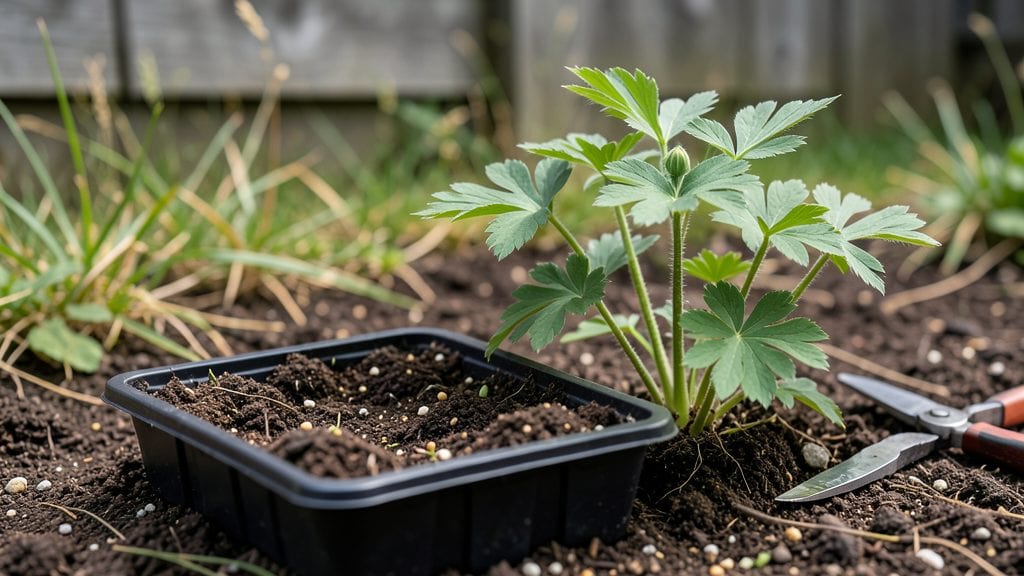
Columbine flower sprouts don’t need weeks of waiting—they’ll pop up in as little as 7 days with the right approach. 🌱 I’ve learned that the key isn’t just patience but creating the perfect cozy conditions for those tiny seeds to wake up fast.
The difference between slow germination and a speedy start often comes down to soil temperature, moisture, and a little trick I’ll share that cuts waiting time in half.
Start with well-draining soil that’s 60-70°F, then sprinkle seeds just ¼-inch deep—no deeper, or they’ll take forever. A light misting keeps them moist without drowning them, and a clear plastic dome or even a plastic bag over the pot traps heat and humidity like a greenhouse.
This isn’t just guesswork; it’s science-backed for columbines, which thrive when mimicking their natural mountain meadow conditions.
By week two, you’ll see those first delicate sprouts pushing through the soil, their lobed leaves unfurling like tiny hands reaching for the sun. The real magic happens when you thin them to 6 inches apart, giving each plant room to grow strong stems and vibrant blooms.
No more leggy, weak sprouts—just sturdy plants ready to burst into color by late spring.
This method works whether you’re sowing in early spring or late summer, adapting to your climate. The same principles apply to container gardening or in-ground beds, so you can grow columbines almost anywhere. Let’s get those seeds sprouting like clockwork!
📚 In This Guide
- What you need
- Instructions
- Tips and common mistakes
- Wrapping up and next steps
What you need
- ● Columbine seeds: 10–50 seeds (depending on desired plant count; opt for Aquilegia varieties like 'Black Barlow' or 'Songbird Series' for vibrant blooms).
- ● Seed-starting mix: 1–2 gallons of sterile, well-draining potting mix (avoid garden soil—it’s too dense!). Look for a blend labeled "seed-starting" or "cactus/succulent" mix.
- ● Containers: Small seed trays (with drainage holes) or
- ● 4–6-inch biodegradable pots (eco-friendly and easy to transplant!).
- ● Watering can or spray bottle: With a fine mist setting to avoid disturbing seeds.
- ○ Clear plastic domes or plastic wrap: To create a humid microclimate (optional but highly recommended for speeding up germination).
- ● Grow lights or sunny windowsill: Columbine seeds thrive in bright, indirect light (6–8 hours daily). A LED grow light (12–15 watts) works wonders if natural light is limited.
- ● Plant labels: To track varieties (use biodegradable labels if composting later!).
- ● Fertilizer: A balanced, water-soluble fertilizer (5-5-5 or 10-10-10) for post-germination growth (dilute to half-strength).
- ○ Heating mat (optional): Speeds up germination by 5–7 days (set to 65–75°F).
- ● Tweezers or toothpick: For gently pressing seeds into soil (if not broadcasting).
- ● Humidity tray: A shallow tray filled with pebbles and water to boost moisture levels.
- ● Garden journal: To log planting dates, germination times, and growth milestones!
How to speed up columbine flower germination in your garden
Here's the method I've used to get columbine sprouts popping in under two weeks—no waiting months.
🌱 Step 1: Soak Seeds for 12-24 Hours Before Planting
Columbine seeds have tough outer coats that slow germination. Place them in a bowl of lukewarm water for 12-24 hours—this softens the coating and kickstarts hydration. I use a small mesh bag to keep them contained while soaking, which makes rinsing easier later. The water should feel warm to the touch, not hot.
After soaking, drain the seeds thoroughly but don't let them dry out completely. You'll see them swell slightly—that's your signal they're ready for planting. If they stay submerged too long, they'll absorb too much water and rot before sprouting. A quick rinse after soaking removes excess moisture without drying them out.
💧 Step 2: Plant in Moist, Well-Draining Seed Mix
Fill your seed trays with a sterile seed-starting mix (never garden soil—it's too dense). Moisten it until damp but not soggy, then press lightly to settle. Plant soaked seeds ¼ inch deep, spacing them ½ inch apart in rows. I tap the seed packet gently to release one seed at a time—planting too many in one hole leads to weak, crowded seedlings.
Cover the tray with a clear plastic dome or plastic wrap to retain warmth and moisture. Place it in a spot with 65-75°F temperatures—columbine seeds germinate fastest in warm, stable conditions. Check daily for condensation on the dome; wipe it off to prevent fungal growth. Germination usually happens in 7-14 days, but don't be surprised if some take longer.
☀️ Step 3: Provide Bright, Indirect Light Immediately
The instant you see green sprouts, remove the dome and move seedlings to bright, indirect light. A south-facing window works well, but avoid direct midday sun, which can scorch tender leaves. If your seedlings stretch toward the light (a sign of legginess), they need more intensity. I use a grow light on a timer for 12-14 hours daily to keep them strong.
Watch for the first true leaves (the second set after the initial seed leaves). These should be deep green and firm. If leaves look pale or yellow, your light is too weak or too hot. Rotate the tray ¼ turn daily so seedlings grow straight instead of leaning. Once they have 3-4 true leaves, they're ready for transplanting outdoors.
⏰ Step 4: Harden Off Before Moving to the Garden
Two weeks before your last frost date, start hardening off seedlings by placing them outside in a sheltered spot for 1-2 hours the first day. Gradually increase outdoor time by 1 hour daily, introducing them to more sun and wind. Columbine seedlings are delicate—rushing this step burns leaves and stunts growth. You'll know they're ready when they tolerate a full day outside without wilting.
Transplant on an overcast afternoon to reduce stress. Space seedlings 12-18 inches apart in well-draining soil with partial shade (morning sun is ideal). Water deeply at the base, not overhead, to avoid fungal diseases. Mulch lightly with 2 inches of organic mulch to retain moisture and regulate soil temperature.
Tips & tricks for fast columbine flower germination
Speeding up columbine germination isn't just about following steps—it's about creating the perfect conditions. Here's how to maximize your success without waiting months.
The Soaking Secret: For the 12-24 hour soak in Step 1, use a bowl of lukewarm water that feels like bathwater—not scalding, but definitely warmer than room temperature. I've found that adding a few drops of hydrogen peroxide (1 part to 10 parts water) during soaking helps prevent mold while keeping seeds hydrated. After soaking, pat them dry with a paper towel—this prevents clumping when you plant them. The slight swelling you'll see confirms they're ready for planting.
Temperature Matters: Those 65-75°F temperatures in Step 2 are non-negotiable for germination speed. If your home runs cooler, place the seed tray on top of your refrigerator (not inside) or use a seedling heat mat set to low. For warmer climates, move trays to a shaded porch during the day to maintain consistent temps. A digital thermometer placed near the tray helps monitor conditions—columbine seeds are sensitive to temperature fluctuations.
Lighting Strategy: The 12-14 hours of grow light in Step 3 should be just 2-3 inches above seedlings. Too high and they'll stretch; too low and they'll burn. I use a simple LED bulb on a timer—no need for expensive grow lights. Watch for leggy seedlings (long stems, small leaves) which means they need more light intensity. Rotating the tray daily prevents them from growing toward one light source, ensuring straight, sturdy plants.
Harden Off Gradually: The 1-2 hour outdoor introduction in Step 4 should happen in the morning when temperatures are cooler. I start with just 1 hour on the first day, then increase by 30 minutes each subsequent day. This gradual exposure prevents shock—columbine seedlings can't handle sudden temperature swings. Look for leaves that perk up after being moved back inside as your cue to increase exposure time.
Pro Tips for Columbine Flower Sprouts
- Speeding up columbine germination isn't just about following steps—it's about creating the perfect conditions.
- The Soaking Secret: For the 12-24 hour soak in Step 1, use a bowl of lukewarm water that feels like bathwater—not scalding, but definitely warmer than room temperature.
- Temperature Matters: Those 65-75°F temperatures in Step 2 are non-negotiable for germination speed.
Frequently asked questions
Got questions about growing columbine flower sprouts?
You’re not alone! Here are some of the most common queries—and their answers—to help you nurture vibrant blooms with confidence.
How long does it take for columbine seeds to sprout?
Columbine seeds are notoriously slow to germinate, often taking 2–4 weeks (or even longer!) in ideal conditions. Cold stratification (mimicking winter) for 4–6 weeks before planting can speed this up. Patience is key—don’t disturb the soil while waiting!
What’s the best temperature for columbine sprouts?
Columbine thrives in cool to moderate temperatures (60–70°F during the day, 50–55°F at night). Avoid planting in scorching heat—sprouts may struggle or dry out. If your climate is warm, try starting seeds indoors in early spring or late summer for fall planting.
Can I speed up germination with any tricks?
Yes! Try these pro tips:
- Stratification: Mix seeds with damp sand and refrigerate for 4–6 weeks before planting.
- Light exposure: Place trays in a sunny window or under grow lights (12+ hours/day).
- Soil moisture: Keep soil consistently damp (not soggy) with a spray bottle.
For stubborn seeds, a germination aid like apple cider vinegar (soak seeds for 24 hours) may help break dormancy.
Why aren’t my columbine seeds sprouting?
Common culprits include:
- Lack of stratification: Columbine seeds need a cold period to break dormancy.
- Poor soil contact: Seeds may need gentle pressing into soil (but not buried deeply).
- Overwatering: Excess moisture can rot seeds before they sprout.
- Old seeds: Viability drops after 1–2 years; buy fresh seeds for best results.
If all else fails, try a fresh batch of seeds—sometimes it’s just a matter of luck!
Are there faster-growing alternatives to columbine?
If you’re craving quick color, try these fast-sprouting perennials:
- Black-eyed Susan (7–14 days)
- Coneflower (Echinacea) (10–21 days)
- Lupine (10–30 days)
- Blanket flower (Gaillardia) (7–21 days)
Columbine’s worth the wait—its delicate blooms and drought tolerance make it a garden star! But these options deliver faster gratification.
Wrapping up and next steps
Watching columbine flower sprouts emerge is one of the most rewarding parts of gardening—especially when you’ve mastered the secrets to fast, healthy growth! 🌱 With the right soil, timing, and care, you’ll soon enjoy vibrant blooms that bring color and life to your garden.
Now that you’re armed with the knowledge, it’s time to roll up your sleeves and give those seeds a try.
Ready to transform your garden? Start by gathering your supplies, follow the steps, and keep an eye out for those first tiny sprouts. Happy gardening—your future columbine blooms will thank you! 🌸