
Flowers
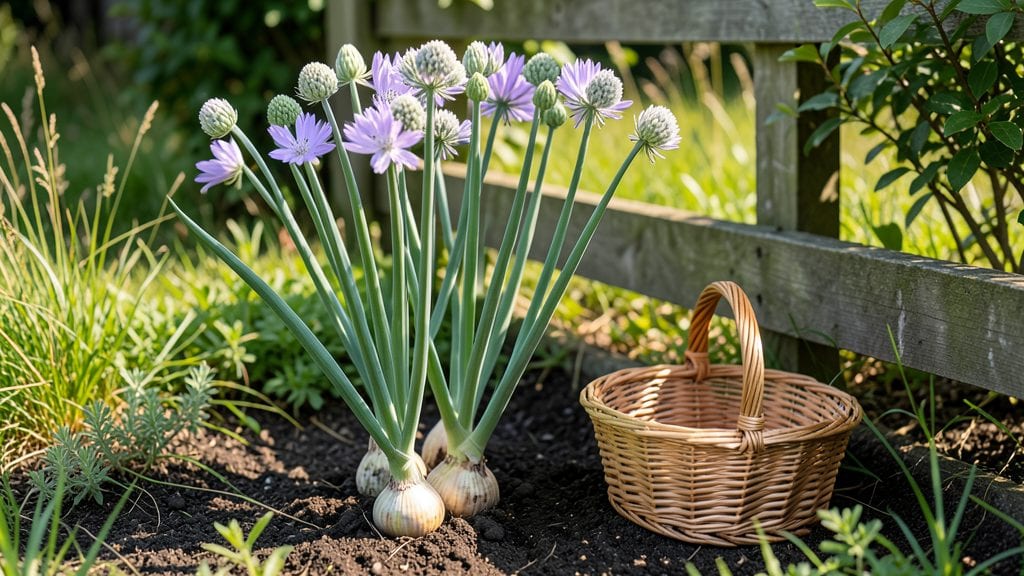
Your kitchen table could soon be decorated with edible onion flowers—those delicate starbursts of purple, white, and pink that taste like mild onions and garlic. 🌸 These aren’t just pretty; they’re a game-changer for home cooks who want fresh, flavorful garnishes straight from their garden.
I’ve grown chives, garlic chives, and flowering onions for years, and the difference between store-bought garnishes and these homegrown beauties is night and day.
Growing them is simpler than you’d think—just plant seeds or sets in well-draining soil with full sun, and within weeks, you’ll have blooms ready to harvest. The key is consistency: water when the top inch of soil feels dry, and fertilize lightly every few weeks.
These flowers attract pollinators too, so you’re not just growing garnishes—you’re supporting your garden’s ecosystem. Plus, they’re hardy enough to handle light frosts, making them a reliable spring and fall crop.
Once harvested, these flowers add a subtle onion-garlic kick to everything from salads to cocktails. Their petals are tender and can be used whole or finely chopped, while the buds taste even stronger—like a tiny, edible onion.
Imagine scattering them over deviled eggs or blending them into pesto. The flavor is delicate but unmistakable, and you’ll never buy garnishes again once you taste the freshness of homegrown blooms.
Whether you’re a seasoned gardener or a beginner, these flowers thrive in containers or garden beds, and they’re perfect for small spaces. The only real challenge is keeping pests like aphids at bay—just spray with soapy water if you spot them.
Ready to turn your garden into a culinary garden? Let’s get those seeds in the ground.
📚 In This Guide
- What you need
- Instructions
- Tips and common mistakes
- Wrapping up and next steps
What you need
- ● Onion seeds or sets: Choose varieties like Allium fistulosum (Welsh onion) or Allium cepa (common onion). Start with 10–20 seeds or 5–10 sets for a small harvest.
- ● Well-draining soil: A mix of potting soil + compost (60/40 ratio) or garden soil amended with organic matter.
- ● Containers or garden bed: Containers: 6–12-inch pots with drainage holes (1–2 plants per pot).
- ● Garden bed: Full sun (6+ hours/day) and loose, fertile soil.
- ● Watering can or hose: With a gentle spray nozzle for even moisture.
- ○ Balanced fertilizer (optional): 5-5-5 or 10-10-10 (follow package instructions for dilution).
- ● Sharp scissors or pruning shears: Clean, sterilized (rubbing alcohol wipe).
- ○ Glove (optional): To protect hands from sharp onion edges.
- ● Small bowl or basket: For collecting flowers (avoid plastic—it can bruise petals).
- ● Chef’s knife + cutting board: For trimming stems (if needed).
- ○ Salad spinner (optional): To gently dry delicate petals.
- ● Mixing bowl: For rinsing (if using tap water—see tips).
- ● Cooking ingredients (recipe-specific): Honey or balsamic glaze (for garnishes).
- ● Olive oil, salt, and herbs (for sautéing or frying).
- ● Eggs, cheese, or greens (for salads or omelets).
- ● Pesticide-free zone: Avoid chemicals—onion flowers absorb toxins!
- ● Allergy check: Test a small amount if you or guests have Allium sensitivities.
- ● Weather awareness: Harvest on dry mornings (dew can make petals soggy).
Step-by-step instructions for growing edible onion flowers
Here's how to coax those delicate, starburst-shaped blooms from your onions—no fancy tricks, just patience and the right timing.
🌱 Step 1: Start with Onion Sets or Transplants
Onion flowers come from mature plants, so you need to begin with onion sets or transplants (not seeds). Choose varieties like 'Potomac' or 'Texas Early White'—they're known for producing edible blooms. Plant them in well-draining soil with a pH between 6.0 and 7.0, and space them 4-6 inches apart in rows 12-18 inches apart.
Here's the thing—if you're growing from seed, you won't get flowers in the first year. The plants need to mature fully, which takes 90-120 days depending on your climate. I always plant mine in early spring, about 4-6 weeks before the last frost, so they have plenty of time to establish before summer heat sets in.
☀️ Step 2: Provide Full Sun and Consistent Care
Onion flowers thrive in full sun—at least 6-8 hours daily. If your plants start to bolt (send up flower stalks) too early, they might produce smaller blooms. To delay bolting, keep the soil consistently moist but not soggy. Water deeply 1-2 inches per week, and mulch with 2-3 inches of straw or grass clippings to retain moisture and regulate soil temperature.
You'll notice the first flower stalks emerge in late spring or early summer. These look like thin, hollow stems rising from the center of the plant. Don't panic—they're normal! Once the stalks reach 6-12 inches tall, you'll see clusters of tiny buds forming at the top. This is when the magic happens: those buds will open into delicate, star-shaped flowers that are entirely edible.
💧 Step 3: Encourage Flowering with Proper Watering
During the flowering stage, reduce watering slightly but keep the soil evenly moist. Overwatering can cause the stems to weaken, while underwatering stresses the plant and may reduce bloom size. Aim to water when the top 1-2 inches of soil feel dry to the touch. In hot climates, you might need to water every 2-3 days, while cooler regions may only need watering once a week.
Here's a pro tip: If your onions start to wilt in the heat, give them a deep watering in the early morning. This prevents the flowers from drying out before they fully open. The blooms are most flavorful and vibrant when they're fresh—so keep an eye on them! You'll know they're ready to harvest when the petals fully unfurl into their starburst shape, usually 7-10 days after the buds form.
✂️ Step 4: Harvest and Use the Flowers
Harvest the flowers in the morning after the dew has dried but before the sun gets too intense. Use clean, sharp scissors or pruning shears to cut the entire flower stalk at the base. This encourages the plant to produce more blooms if it has the energy left. Gently shake off any excess dirt or pests, and you're ready to use them in your recipes!
Real talk: Onion flowers have a mild, sweet onion flavor with a hint of garlic. They're perfect for garnishing salads, soups, or even stir-fries. You can also dry them for later use—just tie small bundles with twine and hang them upside down in a dry, dark place for 1-2 weeks. Once fully dried, store the flowers in an airtight container for up to 6 months.
🌿 Step 5: Save Seeds for Next Year (Optional)
If you want to grow more onion flowers next season, let some of the flowers go to seed. After the petals fall, you'll see small seed pods forming. Once the pods turn brown and dry, gently crush them to release the seeds. Store them in a cool, dry place until you're ready to plant them in the fall. Onion seeds need a period of cold stratification to germinate, so planting them in late autumn gives them the best chance to thrive.
I know it seems like a lot of steps, but growing edible onion flowers is incredibly rewarding. The first time you see those delicate blooms opening up, you'll be hooked. Plus, you'll have a unique, flavorful ingredient to use in your cooking that most people don't even know exists!
Tips & tricks for perfect edible onion flowers
Growing these delicate starburst blooms takes patience—but these tricks will help you get the most vibrant, flavorful flowers possible.
Variety Selection: Not all onions produce edible flowers. Stick with proven varieties like 'Potomac' or 'Texas Early White'—they're specifically bred for both flavor and bloom production. I've tried other varieties with less success, so don't waste time on random onion sets. The right variety makes all the difference between delicate starbursts and disappointing blooms.
Soil Preparation: The pH between 6.0 and 7.0 is non-negotiable for healthy flower production. Test your soil before planting—most garden centers sell affordable test kits. If your soil is too acidic (below 6.0), amend with crushed limestone. I've seen plants struggle in less-than-ideal soil, so take this step seriously. Well-draining soil is equally important—these plants hate soggy roots.
Timing is Everything: Those 6-8 hours of daily sun are critical for flower development. If your garden gets afternoon shade, consider growing these in containers that can be moved to sunnier spots. I've noticed that even partial shade can delay flowering by weeks. Also, the 4-6 week window before last frost gives your plants time to establish strong roots before the heat of summer arrives.
Flower Care: During those 7-10 days when buds form into blooms, keep an eye out for pests like aphids. A quick spray of water can often dislodge them. I've found that harvesting in the morning gives you the freshest, most vibrant flowers. The flavor is also most intense when you use them immediately after picking—though drying works too, as mentioned in the instructions.
Pro Tips for Edible Onion Flowers
- Growing these delicate starburst blooms takes patience—but these tricks will help you get the most vibrant, flavorful flowers possible.
- Variety Selection: Not all onions produce edible flowers.
- Soil Preparation: The pH between 6.0 and 7.0 is non-negotiable for healthy flower production.
Frequently asked questions
Got questions about edible onion flowers?
You’re not alone! Here are the most common queries—and their answers—to help you grow, harvest, and enjoy these floral edible stars with confidence.
Are all onion flowers edible?
Not quite! While most varieties like chives, garlic chives, and shallots produce edible blooms, regular yellow or red onions (like those in your grocery store) are not safe to eat. Stick to Allium varieties labeled as edible or culinary—always double-check before harvesting!
How long does it take for onion flowers to bloom?
Timing varies by variety, but most onion flowers bloom 6–8 weeks after transplanting (or 2–3 months from seed). Chives and garlic chives are faster—often flowering in just 4–6 weeks—while larger bulbs like shallots may take longer. Patience pays off with vibrant, edible blooms!
What’s the best way to use edible onion flowers in cooking?
These floral gems shine in both sweet and savory dishes! Use them raw in salads (they add a mild onion-garlic punch), garnish soups or eggs, or infuse oils/vinegars for a delicate flavor. Pro tip: Remove the base (where the stem meets the flower) to avoid bitterness. Try them in this recipe for a showstopping twist!
Why aren’t my onion flowers blooming?
No blooms? Check these fixes:
- Light: Onions need full sun (6+ hours daily)—move pots or seedlings to a sunnier spot.
- Nutrients: Feed with balanced fertilizer (like 10-10-10) when leaves emerge in spring.
- Age: Some varieties (like leeks) focus on bulb growth first—let them mature before expecting flowers.
- Stress: Overcrowding or drought can delay blooms—thin plants and water consistently.
Can I grow edible onion flowers in containers?
Containers are perfect for chives, garlic chives, and small shallots. Use pots at least 6 inches deep with well-draining soil. Just ensure they get sunny windowsills or balcony space—and avoid overwatering to prevent bulb rot. Bonus: They’re great for small gardens or urban growers!
Wrapping up and next steps
From planting to plating, edible onion flowers bring a burst of flavor, color, and creativity to your garden and kitchen! 🌸 Whether you’re a seasoned gardener or a curious cook, these delicate blooms prove that beauty and taste can grow right in your backyard.
Start small—try a single pot of chives or shallots—and let your culinary experiments bloom.
Ready to flower your dishes? Grab your shears, fire up the stove, and turn those starbursts into edible art—your taste buds (and Instagram feed) will thank you! 📸