
Flowers
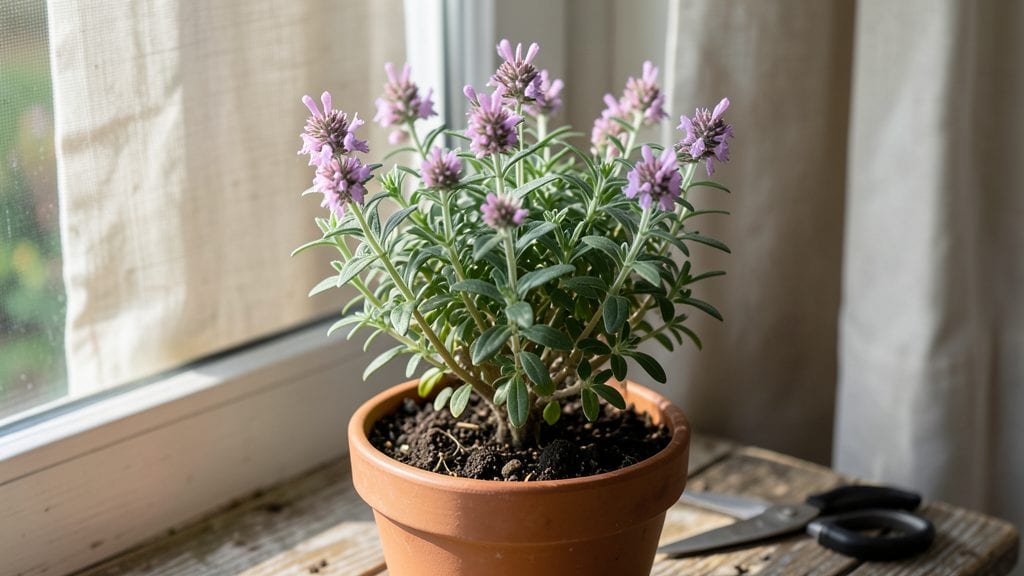
The flowering oregano plant clinging to your fence isn’t just a pretty face—it’s a pollinator magnet and year-round spice factory. 🌿 I first spotted this hardy plant thriving in a PNW garden, its delicate blooms attracting bees while its leaves stayed aromatic even after frost.
The secret lies in its love for well-draining soil, cool climates, and that perfect balance between sun and shade.
You'll need a sunny spot with at least 6 hours of light daily, a mix of garden soil and sand for drainage, and regular pruning to encourage bushier growth.
Unlike Mediterranean oregano, this variety handles 40-50°F nights without complaint—ideal for our damp winters. The key to blooms? Light trimming after flowering to redirect energy to new growth.
By summer, you'll have a 3-4 foot tall plant covered in tiny purple flowers that hum with pollinators while releasing that signature oregano scent. Even in winter, the leaves stay fragrant enough to snip for cooking. The best part? It spreads easily, creating living ground cover that suppresses weeds naturally.
Works in containers too—just use a 12-inch pot with drainage. Avoid overwatering (it hates soggy roots) and fertilize lightly in spring. Here's how to keep it thriving all season long.
📚 In This Guide
- What you need
- Instructions
- Tips and common mistakes
- Wrapping up and next steps
What you need
- ● Oregano seeds or nursery-grown plants: Choose Origanum vulgare (common oregano) or Origanum laevigatum (Greek oregano) for best results. Start with 3–5 plants for a small garden or 10+ for a pollinator-friendly border.
- ● Well-draining potting mix: A blend of 60% garden soil, 30% compost, and 10% perlite or coarse sand (1–2 cubic yards for in-ground planting). For containers, use 5-gallon pots with drainage holes.
- ● Sunlight access: A full-sun location (6+ hours/day)—ideal for PNW’s partial shade tolerance.
- ● Watering can or hose: With a gentle spray nozzle to avoid disturbing roots.
- ● Garden trowel or transplanting shovel (for planting/seeding).
- ● Pruning shears (to shape plants and encourage blooms).
- ● Organic fertilizer: Low-nitrogen (e.g., 5-5-5) or compost tea (apply every 4–6 weeks in growing season).
- ● Mulch: Wood chips or straw (2–3 inches) to retain moisture and suppress weeds.
- ○ Trellis or small fence (optional): Oregano can climb to 2–3 feet—great for vertical gardens!
- ● Pollinator-friendly companions: Plant bee balm or lavender nearby to attract hummingbirds and bees.
Step-by-step guide for cultivating Pacific Northwest flowering oregano
Here’s how to grow a hardy, fragrant, and pollinator-friendly oregano plant that thrives in the PNW’s climate.
🌱 Step 1: Choose the Right Variety and Planting Site
Flowering oregano, like Origanum vulgare or Origanum laevigatum, thrives in the Pacific Northwest’s mild, wet winters and warm summers. Select a spot with full sun to partial shade—at least 6 hours of sunlight daily—though it tolerates morning shade in hotter inland areas. The plant’s hardy nature means it can handle frost and even light snow, but avoid low-lying areas where cold air pools.
Here’s the thing—oregano spreads aggressively, so choose a location where it can climb a trellis, fence, or rocky wall. If planting in containers, ensure they’re at least 12 inches deep to accommodate its vigorous root system. I’ve found that well-draining soil prevents root rot, which is the plant’s biggest weakness in the PNW’s damp climate.
🪴 Step 2: Prepare Soil and Plant with Proper Spacing
Amend the soil with 2-3 inches of compost or well-aged manure to improve drainage and fertility. Oregano prefers slightly alkaline to neutral soil (pH 6.0-8.0), so test your soil and adjust with lime if needed. The plant’s deep roots mean it doesn’t need frequent feeding, but a light application of balanced fertilizer (10-10-10) at planting time encourages strong early growth.
Space plants 18-24 inches apart if growing in the ground, allowing room for their woody stems to spread. For container gardening, one plant per 12-14 inch pot works well. Plant in early spring or late fall to avoid heat stress. Water deeply after planting to settle the soil around the roots, but avoid soggy conditions—oregano’s Mediterranean roots hate sitting in water.
☀️ Step 3: Water and Maintain for Year-Round Fragrance
Once established, oregano is drought-tolerant, but in the PNW’s wetter months, ensure the soil drains well. Water deeply once a week during dry spells, letting the top 2 inches of soil dry out between waterings. Overwatering leads to root rot, especially in winter when the ground stays cool and damp. You’ll know it’s thriving when the leaves emit a strong, aromatic scent—this is your cue that the plant is happy.
Prune lightly in early spring to encourage bushier growth and remove any dead or diseased stems. In late summer, trim back flowering stems to 4-6 inches to promote more foliage and prevent the plant from becoming woody. This also keeps it looking neat while maintaining its pollinator appeal—bees and butterflies adore its tiny purple flowers.
✂️ Step 4: Harvest and Encourage Pollinators
Harvest leaves anytime by snipping stems just above a leaf node. This encourages new growth and keeps the plant compact. For flowering oregano, let some stems bloom to attract pollinators, but harvest others for culinary use. The flowers are edible too—add them to salads or dry them for tea. I like to harvest in the morning after the dew has dried, as the oils in the leaves are most potent then.
In the Pacific Northwest, flowering oregano can be left in the ground year-round. Mulch with 2-3 inches of wood chips in winter to protect roots from freezing temperatures. The plant’s resilience means it’ll bounce back each spring, ready to climb, spread, and fill the air with its signature fragrance.
Tips & tricks for cultivating Pacific Northwest flowering oregano
Here's what I've learned after growing oregano in the PNW's challenging climate—these tricks make all the difference for a thriving, fragrant plant.
Sunlight Strategy: While oregano needs at least 6 hours of sunlight daily, I've found that morning sun with afternoon shade works best in hotter inland areas. The PNW's frequent cloud cover means you can sometimes push it to partial shade without sacrificing fragrance. Just monitor the leaves—if they start losing their vibrant green color, they're not getting enough light.
Soil Preparation Secret: The 2-3 inches of compost recommendation is non-negotiable for PNW growing conditions. I like to mix in a handful of perlite or coarse sand to further improve drainage—this is especially critical in winter when the soil stays damp. Oregano's Mediterranean roots will thank you by staying healthy even in our wet climate.
Pruning Technique: When trimming back flowering stems to 4-6 inches in late summer, I always use clean, sharp pruners to avoid damaging the plant. This isn't just about aesthetics—proper pruning encourages bushier growth and prevents the plant from becoming woody. I also save some flowering stems to dry for winter tea blends.
Winter Protection: That 2-3 inches of wood chips for winter mulch is your best defense against freezing temperatures. I've found adding a layer of straw on top of the wood chips provides extra insulation during our coldest nights. This mulch combo keeps roots protected while still allowing water to penetrate during spring rains.
Pro Tips for Flowering Oregano Plant
- Here's what I've learned after growing oregano in the PNW's challenging climate—these tricks make all the difference for a thriving, fragrant plant.
- Sunlight Strategy: While oregano needs at least 6 hours of sunlight daily, I've found that morning sun with afternoon shade works best in hotter inland areas.
- Soil Preparation Secret: The 2-3 inches of compost recommendation is non-negotiable for PNW growing conditions.
Frequently asked questions
When does flowering oregano bloom, and how do I encourage more flowers?
Flowering oregano typically blooms in late spring to early summer, with purple, pink, or white flowers that attract pollinators like bees and butterflies. To encourage more blooms, prune lightly after the first flush of flowers to promote bushier growth. Avoid heavy fertilizing—oregano thrives in lean soil and prefers well-draining conditions.
Is flowering oregano cold-hardy in the PNW? What about winter care?
Yes! This variety is perennial and cold-hardy to USDA zones 5-9, making it perfect for the PNW’s chilly winters. Mulch heavily with straw or wood chips to protect roots, and avoid overwatering in winter. If planted in containers, move pots to a sheltered spot or wrap them in burlap for extra protection.
Can I use flowering oregano the same way as culinary oregano?
While flowering oregano has a milder, slightly sweeter flavor than Greek or Italian oregano, it’s still edible! Use it fresh or dried in pesto, marinades, or teas. However, the flowers themselves are not typically used in cooking—they’re best left for pollinators or dried arrangements. Harvest leaves before flowering for the strongest flavor.
Why isn’t my flowering oregano attracting bees, even though it’s blooming?
If bees are scarce, check for these issues:
- Pesticide use: Avoid chemicals—bees love oregano’s nectar but avoid treated plants.
- Timing: Bees are most active on sunny, warm days (60°F+). Early morning or late afternoon visits are normal.
- Location: Plant near other pollinator-friendly flowers (like lavender or thyme) to create a "bee buffet."
What can I do if my flowering oregano looks leggy or sparse?
Leggy or sparse growth often means your plant needs more light or a pruning refresh. Trim back overgrown stems by one-third in early spring to encourage dense, bushy regrowth. If indoors, move it to a sunnier spot (6+ hours of light daily). For container plants, ensure drainage holes are present—oregano hates soggy roots!
Wrapping up and next steps
Growing a flowering oregano plant in the Pacific Northwest isn’t just about adding beauty—it’s about nurturing a resilient, fragrant, and pollinator-friendly addition to your garden. 🌿 From its hardy nature to its year-round charm, this plant rewards patience with vibrant blooms and a delightful aroma.
Whether you’re a seasoned gardener or just starting, the key is to embrace its needs and watch it thrive.
Ready to take the next step? Start small—plant a single pot or patch and observe how it grows. Once you’ve mastered the basics, expand your garden with more varieties or even share cuttings with fellow plant lovers. Happy gardening! 🌸