
Flowers
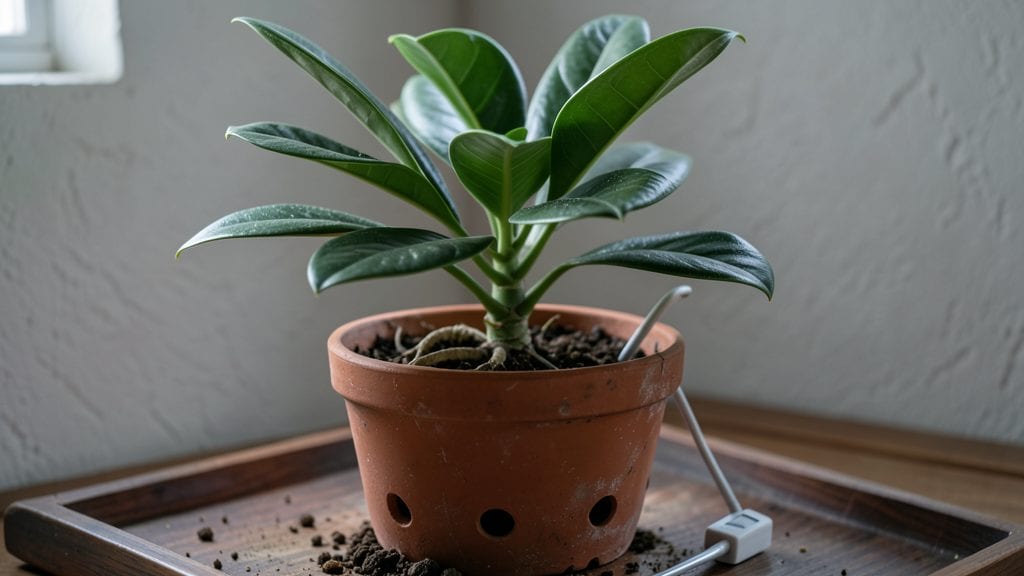
Discover these flowers that need no sunlight—they’ll burst into color in your yard’s shadiest spots where others refuse to grow. 🌿 I’ve turned my shady patio into a lush oasis with plants that thrive where others wilt, using nothing but indirect light. and a few simple care tweaks.
The secret isn’t forcing sunlight but choosing varieties that naturally flourish in low-light conditions, like impatiens that burst with color or hostas that stay velvety green year-round.
Most of these shade stars need well-draining soil and consistent moisture—think of them as the low-maintenance superstars of the garden. You’ll find ferns unfurling delicate fronds, bleeding hearts spilling pink petals, and even some sun-loving impatiens that perform surprisingly well in 4-6 hours of indirect light daily.
The key is avoiding soggy soil and keeping leaves dust-free so they can absorb what little light they get.
By summer’s end, you’ll have a fragrant, textured garden that feels alive even in the shadiest spots. These plants don’t just survive—they thrive, with blooms that last longer and foliage that stays rich and healthy.
The best part? You’ll finally have a garden that works with your yard’s natural light, not against it.
Whether you’re dealing with a north-facing yard, dense tree canopies, or just a balcony with limited sun, these shade-loving flowers adapt effortlessly. Let’s get your dark corners blooming—without the sunburned disappointment of traditional garden plants.
📚 In This Guide
- What you need
- Instructions
- Tips and common mistakes
- Wrapping up and next steps
What you need
- ● Low-light tolerant flower plants: 1-3 Peace Lily (Spathiphyllum) – Thrives in dim corners
- ● 1-2 Snake Plants (Sansevieria) – Nearly indestructible
- ● 1 ZZ Plant (Zamioculcas) – Drought-resistant and forgiving
- ● 1 Cast Iron Plant (Aspidistra) – Perfect for shady spots
- ● 1 African Violet (Saintpaulia) – Brightens up indirect light
- ● Containers: 1-3 Drainage pots (6-12 inches in diameter, with holes)
- ○ 1 Saucer tray (optional, for catch-and-release drainage)
- ● Potting mix: 1 bag well-draining cactus/succulent mix (or regular potting soil + perlite)
- ● Watering tools: 1 Spray bottle (for gentle hydration)
- ● 1 Watering can (with a narrow spout for precision)
- ● Pruning shears – For trimming dead leaves or shaping plants
- ● Fertilizer (balanced liquid or slow-release pellets) – Use sparingly (every 4-6 weeks)
- ● Grow lights (LED or fluorescent) – If your space is extremely dark (e.g., north-facing windows or basements)
- ● Humidity tray (pebble tray + water) – Helps tropical varieties like African Violets
- ● Plant labels – To keep track of your low-light stars!
- ● ✨ Test your light: If your space feels too dark, try a moisture meter (soil should stay slightly damp, not soggy).
- ● 🌡️ Temperature check: Most low-light flowers prefer 60–75°F—avoid drafty areas!
- ● 🎯 Rotate occasionally: Even shade-lovers benefit from a quarter-turn weekly for even growth.
Step-by-step guide to growing low-light flowers indoors
Here's how to coax vibrant blooms from plants that thrive in dim corners.
🌱 Step 1: Select the Right Low-Light Varieties
Start with proven performers like peace lilies (Spathiphyllum), African violets (Saintpaulia), or cast iron plants (Aspidistra). These species evolved to handle low to moderate indirect light—think north-facing windows or rooms with fluorescent lighting. Avoid sun-loving geraniums or impatiens; they'll quickly protest with yellowing leaves.
I always check the plant's natural habitat as a guide. Tropical understory plants (like peace lilies) grow beneath taller trees, receiving dappled light, while desert species (like snake plants) need bright but indirect exposure. Your local nursery can confirm light tolerance if you're unsure.
🪴 Step 2: Choose Containers and Soil for Gentle Growth
Use 6-8 inch pots with drainage holes—low-light plants resent soggy roots. I prefer terracotta because it breathes better than plastic, preventing root rot in dim conditions. Fill with a well-draining potting mix (avoid garden soil—it compacts and suffocates roots). Add a handful of perlite or orchid bark to improve aeration.
Gently press the mix into the pot, leaving ½ inch from the rim for watering. Overpacking creates air pockets that hinder root development. Tap the pot lightly on the table to settle the soil without compacting it—you want it fluffy enough for roots to explore.
☀️ Step 3: Position Plants Strategically for Indirect Light
Place your new plants 3-6 feet from east- or north-facing windows, where light is soft and diffused. South-facing windows can work if you use sheer curtains to filter intensity. Rotate pots quarter-turn weekly so growth stays even—low-light plants often stretch toward the nearest light source.
Watch for first true leaves (not the initial seed leaves) to appear. If they look pale or elongated, your plant needs slightly more light—move it closer to the window. If leaves darken or develop purple tinges, it's getting too much indirect light (or too little water).
💧 Step 4: Water with Precision in Dim Conditions
Low-light plants typically need less frequent watering because they photosynthesize slower. Stick your finger 1 inch into the soil—water only when it feels dry. Overwatering in dim light leads to root suffocation and fungal issues. I use the "soak-and-dry" method: water until it drains from the bottom, then wait until the top inch is dry before repeating.
Bottom-watering (placing the pot in a tray of water for 10-15 minutes) reduces leaf spots by preventing foliage from staying wet. Empty the tray after 30 minutes to avoid salt buildup. Mist leaves weekly if humidity drops below 40%—low-light plants often struggle in dry indoor air.
🌿 Step 5: Fertilize Lightly and Encourage Blooms
Use a balanced, water-soluble fertilizer (10-10-10 or 20-20-20) diluted to half-strength every 4-6 weeks during spring and summer. Low-light plants don't need heavy feeding—they absorb nutrients slowly. I skip fertilizer in winter when growth naturally slows. Overfeeding in dim conditions burns roots and causes salt buildup.
For flowering varieties like African violets, add a high-phosphorus bloom booster (like 5-10-5) when you see buds forming. Pinch back leggy stems to encourage bushier growth. Deadhead spent blooms regularly—this redirects energy to new flowers instead of seed production.
Tips & tricks for Perfect low-light flowers
Common pitfalls—and how to sidestep every one when nurturing these resilient greens.
Variety Selection: Peace lilies and cast iron plants are the ultimate survivors, but even among these, there are nuances. For example, peace lilies thrive in consistently moist soil, while cast iron plants can tolerate drier conditions. If you're unsure about your plant's specific needs, check the underside of leaves for clues—drooping leaves often signal thirst, while crispy edges mean it's too dry. I always keep a small notebook by my windowsill to track which varieties respond best to my home's specific light conditions.
Container and Soil Strategy: The 6-8 inch pot size recommendation isn't arbitrary—it's about balance. Smaller pots dry out too quickly, while larger ones can trap excess moisture. For the ½ inch gap from soil to rim, I use a ruler to ensure consistency. This space prevents overflow during watering while allowing for proper drainage. If you're repotting, choose a container just 1-2 inches larger in diameter than the current one to avoid overwhelming the root system with excess soil.
Light Positioning: That 3-6 feet range from windows is a guideline, but real-world conditions vary. In my experience, north-facing windows provide the most consistent low-light environment. If you notice your plants stretching toward the light (a condition called etiolation), it's time to move them closer. For south-facing windows, use sheer curtains to diffuse the light—direct sunlight can scorch leaves even in these shade-tolerant varieties. I've found that rotating pots weekly prevents uneven growth patterns that can develop when plants lean toward a single light source.
Watering Precision: The 10-15 minute bottom-watering technique is a game-changer for preventing fungal issues. I set a timer to avoid over-soaking, which can lead to root rot. For the 30-minute drainage rule, I always empty excess water from the saucer completely—leaving it can create a breeding ground for bacteria. During winter months when heating systems dry out indoor air, I increase misting frequency to every 3-4 days to maintain optimal humidity levels for these tropical understory plants.
Pro Tips for Flowers That Need No Sunlight
- Common pitfalls—and how to sidestep every one when nurturing these resilient greens.
- Variety Selection: Peace lilies and cast iron plants are the ultimate survivors, but even among these, there are nuances.
- Container and Soil Strategy: The 6-8 inch pot size recommendation isn't arbitrary—it's about balance.
Frequently asked questions
Got questions about growing flowers in low-light spaces? You’re not alone! Here are some of the most common queries—and their easy, practical answers—to help you cultivate a thriving indoor garden without the sun.
Can I grow flowers that need no sunlight in a bathroom or kitchen?
Many low-light flowers, like peace lilies or ZZ plants, thrive in humid environments like bathrooms or kitchens. Just ensure they get a few hours of indirect light daily and avoid drafts. A quick wipe-down of leaves keeps them dust-free and happy!
How often should I water flowers that don’t need sunlight?
Overwatering is the #1 killer of low-light flowers. Let the top inch of soil dry out before watering—usually every 1-2 weeks, depending on humidity. Use well-draining pots to prevent root rot. Snake plants and pothos are especially forgiving if you forget a watering day!
Will these flowers bloom without sunlight?
Some low-light flowers, like African violets or spider plants, may produce fewer blooms in dim conditions, but they’ll still grow lush foliage. For flowers like peace lilies, a bright windowsill (even indirect) can encourage occasional blooms. Don’t stress—healthy leaves are a win!
What’s the best alternative if my space has zero natural light?
No natural light? No problem! Opt for artificial grow lights (LED bulbs work great) or choose non-flowering low-light plants like cast iron plants or bamboo palms. Even a few hours under a grow light can make a difference for flowers like calatheas!
My low-light flower’s leaves are turning yellow—what’s wrong?
Yellow leaves usually signal overwatering or poor drainage. Let the soil dry out completely, and check if your pot has drainage holes. If the problem persists, repot with fresh, well-draining soil. Snake plants and ZZ plants are tough—often, they’re just telling you to chill (literally) on the water!
Wrapping up and next steps
Growing flowers without direct sunlight isn’t just possible—it’s empowering! 🌱 From lush peace lilies to vibrant snake plants, these low-light stars prove that even the shadiest corners of your home can bloom with life.
Whether you’re a busy plant parent or simply lack sunny spots, these resilient beauties make gardening effortless and rewarding.
Ready to bring your green space to life? Start small—pick one of these sun-shy favorites, follow the care tips, and watch your indoor garden thrive. Next, explore creative ways to style your new greenery or dive deeper into their unique benefits!