
Flowers
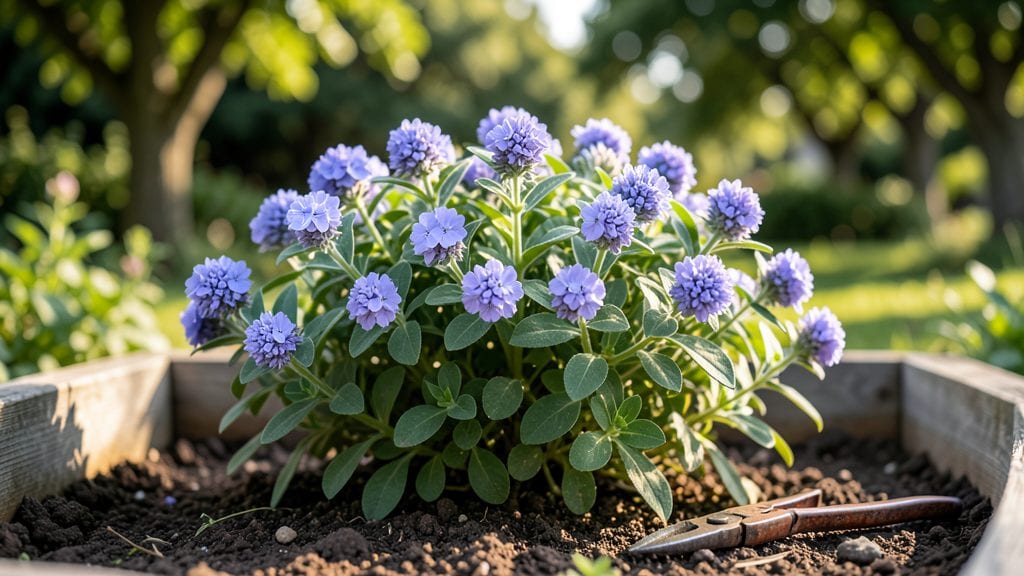
Caring for heliotrope flowers transforms your Pacific Northwest garden into a fragrant haven. 🌿 Their sweet vanilla scent and delicate blooms thrive with the right balance of moisture, light, and occasional pruning—something I perfected after my first heliotrope nearly died from overwatering.
The secret lies in mimicking their native Mediterranean climate: well-draining soil, partial shade, and consistent (but not soggy) watering.
You’ll need rich, slightly acidic soil (pH 6.0-7.0) mixed with compost, a sunny spot with afternoon shade, and containers with drainage if growing in pots. Heliotropes love warmth but tolerate cool Pacific Northwest summers—just protect them from harsh afternoon sun.
Pruning spent blooms encourages more flowers, and dividing mature plants every 2-3 years keeps them vigorous.
By summer’s end, you’ll have lush, fragrant plants covered in purple blooms that attract pollinators. The scent lingers in the evening air, making your garden a nighttime paradise. With these simple adjustments, even beginners can grow heliotropes that bloom reliably year after year.
Works beautifully in border plantings, containers, or as a fragrant hedge. The key is patience—heliotropes reward consistent care with months of blooms and that signature vanilla perfume. Let’s get those plants thriving!
📚 In This Guide
- What you need
- Instructions
- Tips and common mistakes
- Wrapping up and next steps
What you need
- ● Heliotrope plants: 3–5 healthy nursery starts (choose fragrant varieties like Heliotropium arborescens for best results).
- ● Well-draining potting mix: 1–2 bags (5 cubic feet each) of a blend with perlite or sand (e.g., 60% peat moss, 30% compost, 10% perlite).
- ● Containers or garden bed: For containers: 5–7-gallon pots with drainage holes (1 per plant).
- ● For in-ground: A sunny spot with at least 6 hours of light daily and loamy, slightly acidic soil (pH 6.0–7.0).
- ● Slow-release fertilizer: 1 lb of 10-10-10 or organic options like fish emulsion (apply at planting).
- ● Mulch: 2–3 inches of organic mulch (straw or shredded bark) to retain moisture.
- ● Watering can or hose with a gentle spray nozzle: For deep, infrequent watering.
- ● Pruning shears: Sharp, clean shears (sterilize with rubbing alcohol between cuts).
- ● Epsom salt: 1 tbsp per gallon of water (monthly for magnesium boosts).
- ● Copper fungicide: For prevention of powdery mildew (common in PNW humidity).
- ● Grow lights: If extending indoor growing seasons (LED full-spectrum bulbs work best).
- ● Fragrance-friendly companion plants: Lavender or rosemary to enhance heliotrope’s sweet scent.
Step-by-Step guide to cultivating heliotrope in Pacific Northwest climates
Here's how to coax these fragrant bloomers to thrive despite our region's damp, cool summers.
🌱 Step 1: Select and Prepare the Perfect Planting Site
Heliotropes crave full sun—at least 6-8 hours daily—but our PNW summers often deliver diffused light. Plant in the sheltered southern corner of your garden where they'll catch afternoon warmth without afternoon rain exposure. I always choose spots with well-draining soil because heliotropes despise soggy roots.
Amend native soil with 2 inches of compost and a handful of perlite to improve aeration. The plant's deep root system needs room to establish before summer heat arrives. Press the amended soil firmly around the base to eliminate air pockets—this prevents root rot in our damp climate.
☀️ Step 2: Master Light and Temperature Balance
Move potted heliotropes to protected outdoor spaces once nighttime temperatures stay above 55°F, typically mid-May in most PNW zones. Harden off plants gradually by placing them outside for 1-2 hours daily over 5-7 days, increasing exposure by 1 hour each day until they're fully acclimated.
Watch for yellowing leaves—this signals either too much shade or cold stress. If you notice leggy growth with sparse blooms, your plant needs more light. A reflective surface like white plastic sheeting behind containers can boost light intensity by 20-30% without additional equipment.
💧 Step 3: Implement PNW-Specific Watering Strategies
Water heliotropes when the top 1-2 inches of soil feel dry to the touch. Our region's frequent drizzle means you'll water less often than in hotter climates—typically every 5-7 days during summer. Always water at the base to prevent fungal diseases that thrive in our damp air.
Mulch with 2-3 inches of organic mulch immediately after planting to conserve moisture and regulate soil temperature. I use shredded bark because it breaks down slowly, providing long-term benefits. Avoid wetting the foliage when watering—this encourages powdery mildew, a common issue with heliotropes in our climate.
✂️ Step 4: Prune for Continuous Blooming and Winter Protection
Deadhead spent blooms regularly to encourage new flower production. I pinch off faded blossoms with my fingertips rather than cutting stems—this reduces stress on the plant. When growth slows in late summer, trim back leggy stems by one-third to promote bushier, more compact growth.
Before our first frost, cut back heliotropes to 6-8 inches tall and move potted specimens to a cool, bright indoor location (like a sunroom or under grow lights). In-ground plants can be left in place if covered with 4-6 inches of straw mulch—this protects roots from freezing while allowing airflow to prevent rot.
🌿 Step 5: Winter Care for Year-Round Success
Indoor heliotropes need bright light and 50-60°F temperatures during winter dormancy. Rotate pots weekly to ensure even light exposure. Reduce watering to every 10-14 days, allowing the soil to dry completely between waterings—this mimics the plant's natural winter rest period.
Watch for spider mites on indoor plants—they thrive in our dry winter air. I treat infestations with a neem oil solution (1 tsp per quart of water) applied every 5 days until the pests disappear. In early spring, resume outdoor hardening and fertilizing as new growth appears.
Tips & tricks for perfect heliotrope flower care
Real talk: Our PNW climate throws curveballs at heliotropes, but these tricks help them thrive where others fail.
Soil Prep Secret: When amending soil with 2 inches of compost and perlite in Step 1, mix in a handful of coarse sand if your native soil is particularly dense. This creates even better drainage for those deep roots—heliotropes hate soggy feet, and our region's damp summers make this critical. I've seen plants double their bloom production just from this extra step.
Light Hack for Cloudy Days: If your heliotropes start looking leggy despite the 6-8 hours of sun (Step 1), supplement with a simple DIY reflector. Place a white foam board behind containers to bounce light back—this can add that extra 20-30% intensity we need in our diffused PNW light. Just avoid plastic that can trap moisture against the leaves.
Winter Watering Wisdom: During the winter dormancy phase (Step 5), I've learned to check soil moisture with my finger rather than relying on a schedule. The goal is for the top 2-3 inches to be completely dry before watering again—this mimics natural winter conditions better than the 10-14 day guideline. Our indoor heating can dry air faster than expected.
Pro Tips for Heliotrope Flower Care
- Real talk: Our PNW climate throws curveballs at heliotropes, but these tricks help them thrive where others fail.
- Soil Prep Secret: When amending soil with 2 inches of compost and perlite in Step 1, mix in a handful of coarse sand if your native soil is particularly dense.
- Light Hack for Cloudy Days: If your heliotropes start looking leggy despite the 6-8 hours of sun (Step 1), supplement with a simple DIY reflector.
Frequently asked questions
How often should I water heliotrope flowers in the PNW?
Water heliotropes deeply but infrequently—about once a week in summer (or when the top 1–2 inches of soil feel dry). In the PNW’s damp winters, reduce to every 2–3 weeks unless your garden is unusually dry. Overwatering can cause root rot, so well-draining soil is key!
Can heliotropes survive PNW winters outdoors?
Most heliotropes are tender perennials and won’t survive freezing temps (<32°F). In the PNW, treat them as annuals or dig up and overwinter indoors in pots with bright light. For hardier varieties (like Heliotropium arborescens), mulch heavily or grow in containers you can move to a garage or shed.
What pests should I watch for with heliotropes in the Pacific Northwest?
Heliotropes are relatively pest-resistant, but keep an eye out for aphids (tiny green/black bugs) and spider mites (especially in dry summers). Treat with a soapy water spray or neem oil. Slugs may also nibble young plants—use beer traps or copper barriers for protection.
Why aren’t my heliotropes blooming as much as they should?
Poor blooming often stems from too much shade (they need 6+ hours of sun) or over-fertilizing with high-nitrogen feeds (which promotes leaves over flowers). Try deadheading spent blooms and switching to a low-nitrogen, high-phosphorus fertilizer (like 5-10-5) to encourage more flowers.
Are there drought-tolerant heliotrope varieties for the PNW?
Yes! Look for Heliotropium curassavicum (a smaller, drought-resistant species) or Heliotropium arborescens hybrids bred for resilience. These varieties handle brief dry spells better than traditional heliotropes. Pair them with mulch to retain moisture and reduce watering needs.
How do I propagate heliotropes for next year’s garden?
Start with stem cuttings in early summer: Snip 4–6 inch sections just below a leaf node, dip in rooting hormone, and plant in moist potting mix. Keep them humid and warm (70–75°F) until roots form (4–6 weeks). Transplant outdoors after the last frost—or keep indoors to overwinter!
Wrapping up and next steps
Caring for heliotrope flowers in the Pacific Northwest is totally doable—even for beginners! With the right balance of sunlight, soil, and seasonal adjustments, your plants will reward you with fragrant blooms year after year. Remember, pruning, winter prep, and pest vigilance are your secret weapons for long-term success.
Now that you’re armed with these heliotrope care secrets, why not take the next step? Share your progress with fellow gardeners online or experiment with companion plants to create a show-stopping PNW garden. Happy growing! 🌸✨