
Flowers
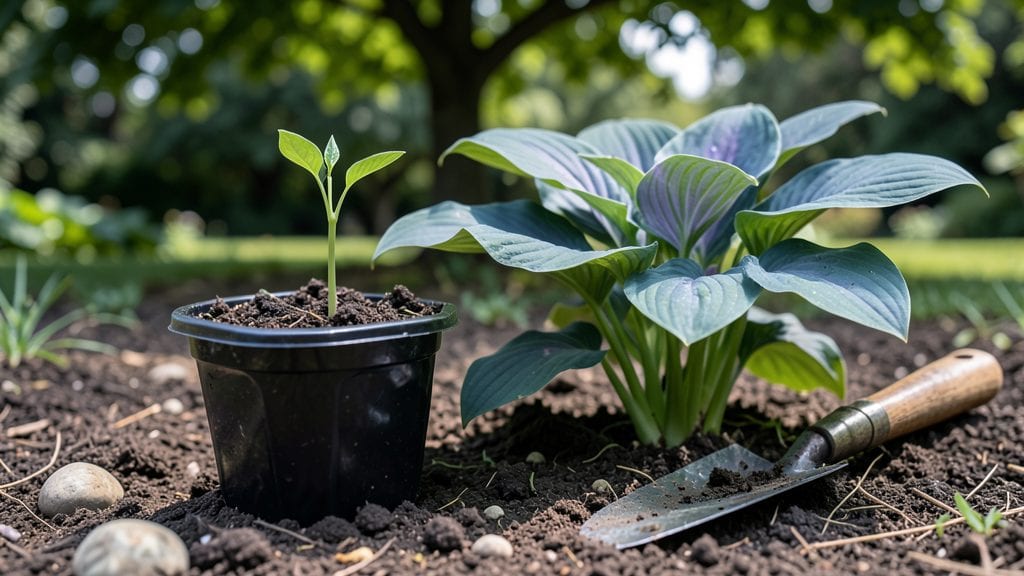
Potting flowers for shade turns forgotten corners into lush, fragrant retreats. 🌿 I learned the hard way that not all shade is created equal—my first attempt with sun-loving geraniums in a north-facing spot ended in sad, leggy survivors.
The secret lies in matching the right plants to light levels and giving them the soil and containers they truly need.
Start with containers that have drainage holes and soil formulated for shade gardens—think moisture-retentive but well-draining mixes with added compost. Ferns, hostas, and impatiens thrive here, while coleus and begonias add vibrant pops of color without demanding full sun.
The key is avoiding soggy soil while keeping roots consistently damp, which means checking moisture daily in summer heat.
By week six, you’ll see lush foliage and delicate blooms where others see only dimness. My once-bare patio now bursts with velvety hosta leaves and clusters of impatiens that last from spring until frost.
The best part? These plants require less frequent watering than sun-lovers, making them perfect for busy gardeners.
Works for everything from hanging baskets under trees to large planters along north-facing walls. The same principles apply whether you’re refreshing an old favorite spot or transforming a new one—just adjust plant choices for your specific shade level (full shade vs. partial shade). Let’s get those containers planted!
📚 In This Guide
- What you need
- Instructions
- Tips and common mistakes
- Wrapping up and next steps
What you need
- ● Containers: 2–4 pots (size depends on plant type; 6–12 inches in diameter for most shade-loving flowers)
- ● Drainage holes required! (No holes? Drill them or use a cache pot with gravel.)
- ● Potting Mix: 1–2 bags (5–10 lbs each) of well-draining, peat-based or coco-coir mix (avoid heavy garden soil—it compacts in shade).
- ○ Optional boost: Mix in perlite or orchid bark (20%) for extra aeration.
- ● Shade-Loving Plants: 3–5 shade-tolerant flowers (e.g., impatiens, ferns, caladiums, or hostas). Check tags for “partial shade” or “full shade” labels.
- ● Pruners or shears (for trimming roots if plants are root-bound).
- ● Tools & Extras: Gloves (to protect hands from soil and thorns).
- ● Trowel or small shovel (for digging and layering soil).
- ● Watering can or hose with a gentle spray nozzle (shade plants hate soggy roots!).
- ○ Mulch (optional): 2–3 inches of shredded bark or pine needles to retain moisture.
- ● 🌡️ Test your spot: If it’s deep shade (under trees), opt for hostas or astilbes—they thrive where others falter.
- ● ✨ Color contrast: Pair dark foliage (like heucheras) with bright blooms (e.g., coleus) for drama.
- ● 🔄 Rotate plants: If your shade changes with seasons (e.g., winter vs. summer sun), plan for flexible varieties.
Step-by-step guide to potting flowers for shade
Here's the foolproof method for selecting and planting shade-loving blooms that thrive where others fade.
🌱 Step 1: Choose the Right Shade-Loving Varieties
Not all flowers tolerate low light equally. Opt for proven performers like impatiens, fuchsias, or astilbes—these handle dappled shade to full shade beautifully. I always check the light requirements on seed packets or plant tags before buying, as even shade plants have preferences. For example, hostas and hellebores tolerate deep shade, while impatiens need at least 4-6 hours of filtered light daily.
Here's the thing—avoid sun-loving annuals like marigolds or petunias. They'll wilt dramatically in low light, and you'll end up replacing them midseason. Instead, focus on plants that naturally thrive where sunlight is limited. Your local nursery can point you to varieties that match your specific shade conditions, whether it's the north side of the house or under tall trees.
🪴 Step 2: Select and Prepare Containers
Use pots with drainage holes—shade plants still need proper aeration to prevent root rot. I prefer 12-14 inch diameter containers for each plant, as they provide enough soil volume to support healthy roots without drying out too quickly. Terra cotta works well because it breathes, but plastic retains moisture longer, which can be helpful in consistently damp shade areas.
Fill the bottom 2 inches of the pot with gravel or perlite for drainage. This prevents water from pooling at the roots, which is especially critical in shade where evaporation is slower. Next, add a high-quality potting mix enriched with organic compost—shade plants benefit from extra nutrients to compensate for lower light levels. I like to mix in a slow-release fertilizer at this stage to give the plants a steady nutrient supply.
☀️ Step 3: Plant with Proper Spacing and Depth
Dig a hole twice as wide as the plant's root ball but no deeper. This encourages roots to spread outward rather than sitting too low in the pot. Gently remove the plant from its nursery container and loosen any circling roots with your fingers—this helps them establish more quickly. Place the plant in the hole so the top of the root ball sits just below the pot's rim. Press the soil around the roots firmly to eliminate air pockets.
Shade plants generally need 6-12 inches of spacing between neighbors, depending on their mature size. Overcrowding leads to competition for nutrients and increased humidity around the foliage, which can invite fungal diseases. Water the plant deeply right after transplanting to help settle the soil and remove any air gaps. You'll know it's done right when water runs out the drainage holes without pooling.
💧 Step 4: Water and Maintain Consistent Moisture
Shade plants require even moisture—never let them dry out completely, but avoid soggy soil. Water when the top inch of soil feels dry to the touch, which is usually every 2-3 days in shade conditions. I use a watering can with a rose attachment to direct water at the soil level, avoiding the leaves to prevent fungal issues. Mulching with 2-3 inches of shredded bark helps retain moisture and keeps roots cool.
Fertilize every 4-6 weeks during the growing season with a balanced, water-soluble fertilizer diluted to half strength. Shade plants grow more slowly, so they don't need heavy feeding. Too much fertilizer can burn their roots, especially in low-light conditions where they can't process excess nutrients efficiently. Watch for yellowing leaves—this often signals over-fertilization rather than a need for more food.
✂️ Step 5: Prune and Deadhead for Continuous Blooms
Pinch back leggy growth early in the season to encourage bushier, more compact plants. This is especially important for shade flowers, which often stretch toward any available light. Use clean, sharp pruners to make cuts just above a leaf node or set of leaves. You'll see new side shoots emerge within 2-3 weeks, giving your plants a fuller, more vibrant appearance.
Deadhead spent blooms regularly to redirect the plant's energy into producing more flowers rather than setting seed. For many shade-loving annuals like impatiens, this can double your blooming time. I like to do this on a weekly basis—just a few minutes of snipping spent flowers keeps the plant looking tidy and encourages continuous flowering. Wear gloves if your plants have fuzzy or prickly leaves, as some shade varieties can be touchy.
Tips & tricks for perfect potted shade gardens
Here's what nobody tells you about keeping shade plants thriving in containers—these details make all the difference.
Light Assessment: Before planting, observe your shade spot throughout the day. North-facing areas receive the least light, while east or west exposures get morning or afternoon sun. Impatiens and fuchsias in 4-6 hours of filtered light will flourish where hostas might languish in deeper shade. I test light conditions by placing a white plate in the spot for a few hours—if it stays relatively clean, you likely have light enough for most shade plants.
Container Material Matters: Terra cotta pots dry out faster and allow better airflow, which helps prevent fungal issues in humid shade environments. However, they can dry out too quickly in consistently damp conditions. Plastic pots retain moisture longer but may trap excess humidity—ideal for north-facing spots. I often use a mix of both: terra cotta for plants like astilbes that prefer slightly drier conditions and plastic for ferns that appreciate consistent moisture.
Soil Science: The 2 inches of gravel or perlite at the bottom isn't just for drainage—it creates an oxygen-rich zone that prevents anaerobic bacteria from forming. For extra insurance, I add a handful of orchid bark to my potting mix, which improves aeration and mimics the forest floor environment these plants evolved in. This small adjustment makes a noticeable difference in root health, especially for shade plants that are more sensitive to waterlogged conditions.
Watering Wisdom: The 2-3 day watering schedule works best when you check soil moisture at the same time each day—morning is ideal. I use a moisture meter to verify the top inch is dry before watering, as shade plants can develop root rot just as easily as sun plants. For containers without drainage holes, I make small holes with a nail to prevent water from pooling, which is particularly critical in low-light conditions where evaporation is minimal.
Pro Tips for Potting Flowers For Shade
- Here's what nobody tells you about keeping shade plants thriving in containers—these details make all the difference.
- Light Assessment: Before planting, observe your shade spot throughout the day.
- Container Material Matters: Terra cotta pots dry out faster and allow better airflow, which helps prevent fungal issues in humid shade environments.
Frequently asked questions
Got questions about potting flowers for shade? You’re not alone! Here are some common concerns—and straightforward answers—to help you create a lush, low-light garden with confidence.
What are the best flowers for full shade?
Look for hostas, heucheras, impatiens, astilbes, and ferns. These thrive in less than 4 hours of direct sunlight and add texture and color. Avoid sun-loving bloomers like geraniums or marigolds—they’ll struggle and may wilt or develop yellow leaves.
When is the best time to pot flowers for shade?
The ideal window is early spring or fall when temperatures are mild (50–70°F). This gives roots time to establish before extreme heat or cold. Pro tip: If planting in summer, water deeply daily for the first 2 weeks to prevent shock.
Can I use regular potting soil for shade plants?
Not always! Shade plants often prefer well-draining, organic-rich soil. Mix 50% potting soil with 30% compost and 20% perlite or sand to improve aeration. Avoid heavy clay soils, which can suffocate roots in low-light conditions.
Why are my shade flowers turning yellow?
Yellow leaves usually signal overwatering, nutrient deficiency, or poor drainage. Check the soil—it should stay moist but not soggy. If roots are mushy, repot with fresh soil and adjust watering. Fertilize lightly with a balanced formula (10-10-10) every 4–6 weeks to boost health.
Are there any shade-tolerant alternatives to traditional flowers?
Try foliage plants like caladiums (for dramatic leaves), philodendrons (trailing vines), or Japanese painted ferns (lacy texture). Even shade-loving succulents like hens-and-chicks work in bright, indirect light—just reduce watering!
Wrapping up and next steps
Potting flowers for shade is all about choosing the right plants, soil, and containers to create a lush, low-light oasis. With the right care—like selecting shade-tolerant varieties, ensuring proper drainage, and providing occasional bright spots—your garden will thrive even in dimmer areas. 🌿
Now that you’re armed with the know-how, roll up your sleeves and get planting! Start small with a single container or expand your shade garden gradually. Watch your space transform into a vibrant retreat—one blooming pot at a time.