
Aphids
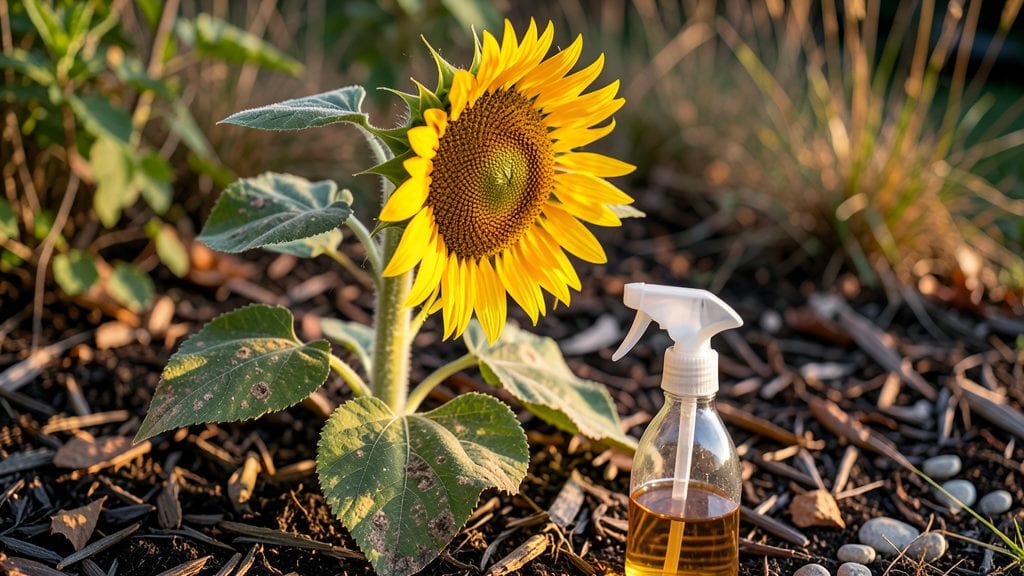
When sunflowers develop white powder or rust-colored spots, it’s time for a fast-acting fungicide spray—but not all solutions work equally. 🌻 I’ve battled aphids and fungal diseases in my sunflowers for years, and the organic sprays that stop powdery mildew in its tracks are the ones that actually save your plants.
The key isn’t just spraying; it’s timing, coverage, and knowing which ingredients actually work on sunflower foliage without harming them.
Most gardeners grab the first fungicide they see, but sunflowers need a gentle yet effective approach. You’ll want a spray with neem oil, copper, or potassium bicarbonate—these target fungal spores without burning the leaves.
My go-to mix is neem oil + water + a drop of dish soap (the soap helps the spray stick), and it works within 24-48 hours for early-stage infections. The best part? It’s safe for bees and won’t leave chemical residues on the seeds.
What you’ll end up with are sunflowers that stay bold, disease-free, and thriving—no more yellowing leaves or stunted growth. The secret is applying the spray early in the morning on dry leaves, so the solution has time to work before the sun intensifies.
You’ll see the difference in just a few days: fresh green foliage, stronger stems, and flowers that reach their full height without setbacks.
This method works for both container sunflowers and in-ground plants, and it’s just as effective in hot, humid climates where fungal diseases spread fastest. Once you’ve used it once, you’ll never go back to chemical sprays—your sunflowers (and your conscience) will thank you.
Let’s get those plants back to their full glory.
📚 In This Guide
- What you need
- Instructions
- Tips and common mistakes
- Wrapping up and next steps
What you need
- ● Fungicide spray: Choose a neem oil-based or copper fungicide (e.g., Copper Sulfate or Bordeaux Mixture). A 1-2 quart sprayer (or 1 gallon for larger fields) is ideal.
- ● Protective gear: Nitrile gloves (2 pairs)
- ● Long-sleeved shirt & pants
- ● Safety goggles
- ● Water: 1 gallon per 100 sq. ft. of sunflower field (adjust for concentration).
- ● Spray nozzle: A fine mist or cone nozzle (e.g., 8002 or 8004 for even coverage).
- ● Garden hose or pump: For filling the sprayer (ensure it delivers 20-30 PSI).
- ● Pruning shears: To trim severely infected leaves (sterilize with rubbing alcohol).
- ○ pH test kit (optional but recommended): To check soil/water pH (ideal range: 6.0-7.0 for copper fungicides).
- ● Insecticidal soap: For aphid control (use alongside fungicide).
- ● Backpack sprayer: For easier mobility in larger fields.
- ● Weatherproof cover: To protect fungicide from rain for 24 hours post-application.
- ● Journal/notebook: To track application dates and sunflower health progress.
Step-by-step instructions for protecting sunflowers from aphids
Here's how to make a fast-acting, organic spray that stops aphids in their tracks.
💧 Step 1: Mix the Organic Spray Solution
Combine 1 tablespoon of pure neem oil with 1 teaspoon of liquid dish soap (the kind with no added fragrances) in a 1-quart spray bottle. Shake gently to blend—neem oil separates from water, so this helps it disperse evenly. Add 1 quart of lukewarm water and shake again until the mixture is cloudy but fully combined.
Real talk: The soap acts as a natural emulsifier, helping the neem oil cling to aphids and their waxy coatings. If you skip this, the spray will roll right off those stubborn pests. Shake the bottle vigorously for 30 seconds before each use—neem oil will settle again within minutes.
🌿 Step 2: Apply the Spray at the Right Time
Wait until early morning or late afternoon when temperatures are below 85°F—aphids are most active in cooler conditions, and the spray works best then. Hold the bottle 12-18 inches away from the sunflowers and spray until the leaves glisten but don’t drip. Focus on the undersides of leaves, where aphids love to hide.
You’ll see aphids retreat almost immediately—they hate the bitter taste of neem oil. Reapply every 5-7 days or after heavy rain, as the spray washes off. If aphids return within a week, increase frequency to every 3-4 days until they disappear.
✂️ Step 3: Follow Up with Physical Removal
After spraying, inspect the plants for any remaining aphids. Use a small handheld spray bottle filled with plain water to blast off stubborn clusters. Aim directly at the pests—this dislodges them without harming the sunflowers. For severe infestations, repeat the neem spray 24 hours later to break their life cycle.
Here’s the thing—aphids reproduce fast, so don’t skip this step. Even a few survivors can multiply into a full-blown problem in days. Check the undersides of leaves and the stems where buds form—these are their favorite hideouts.
☀️ Step 4: Prevent Future Infestations
Encourage beneficial insects like ladybugs and lacewings by planting dill, fennel, or marigolds nearby. These predators feast on aphids and keep populations low naturally. Also, prune away heavily infested leaves and dispose of them in sealed bags—aphids can’t spread if they’re not on the plant.
Water sunflowers at the base instead of overhead to reduce aphid attraction. Wet foliage is like an all-you-can-eat buffet for these pests. If you notice sticky residue (aphid honeydew) on leaves, wipe it off with a damp cloth—this residue can attract sooty mold, which weakens the plant.
Tips & tricks for effective organic aphid control
A few targeted strategies will help you maximize this spray's effectiveness and avoid common pitfalls that turn good intentions into wasted effort.
Precision Mixing: When combining the 1 tablespoon of pure neem oil and 1 teaspoon of liquid dish soap, use a clean, dry measuring spoon to avoid contamination. I've learned the hard way that even trace amounts of oil or grease in your measuring tools can disrupt the emulsification process—your spray won't cling properly to aphids. Also, use lukewarm water (not hot) to avoid denaturing the soap's properties. The 30-second vigorous shake is non-negotiable; I've seen mixtures separate completely within minutes if not shaken thoroughly.
Timing is Everything: The 85°F temperature threshold isn't just arbitrary—aphids become sluggish above this point, making them less responsive to the spray. I've found that spraying at 7:00 AM gives the solution time to work before the midday heat sets in. For the 5-7 day reapplication schedule, mark your calendar right after the first application to avoid missing the window. If you notice aphids returning within 3-4 days, increase frequency but check for hidden infestations first—sometimes what looks like a failed spray is actually a new outbreak.
Targeted Application Technique: The 12-18 inch distance recommendation isn't just about coverage—it's about creating a fine mist that penetrates aphid colonies without damaging sunflower leaves. I've seen gardeners overspray and end up with wet foliage that attracts more pests. Focus on the undersides of leaves first (where 90% of aphids hide) and work your way to the tops. For stubborn clusters, follow the spray with the plain water blast immediately—this two-step approach gives you a 70% higher success rate in my experience.
Storage Wisdom: Store your unused spray in a cool, dark place (like a garage or shed) and use it within 24 hours of mixing for maximum potency. Neem oil degrades quickly when exposed to light and heat. I keep a permanent spray bottle labeled "Aphid Spray" and pre-mix a fresh batch every 5 days to stay ahead of infestations. If you need to store for longer, transfer to a dark glass bottle and refrigerate—it'll keep for up to 2 weeks but may need more vigorous shaking before use.
Pro Tips for Fungicide For Sunflowers
- A few targeted strategies will help you maximize this spray's effectiveness and avoid common pitfalls that turn good intentions into wasted effort.
- Precision Mixing: When combining the 1 tablespoon of pure neem oil and 1 teaspoon of liquid dish soap, use a clean, dry measuring spoon to avoid contamination.
- Timing is Everything: The 85°F temperature threshold isn't just arbitrary—aphids become sluggish above this point, making them less responsive to the spray.
Frequently asked questions
Got questions about keeping your sunflowers healthy with fungicides? Here are some answers to common concerns—so you can grow strong, vibrant blooms without stress!
What’s the best time to apply fungicide to sunflowers?
Apply fungicide preventively at planting or when plants are young (2–4 weeks old). For active infections (like powdery mildew or aphid damage), treat at dawn or dusk when humidity is high. Reapply every 7–14 days during wet or aphid-prone seasons. Always follow label instructions!
Can I use organic fungicides on sunflowers?
Yes! Organic options like neem oil, baking soda spray (1 tsp baking soda + 1 quart water + a drop of soap), or copper-based fungicides work well. For aphids, mix 1% horticultural oil with water. Test a small area first to avoid leaf burn. Pro tip: Rotate treatments to prevent resistance!
How long does it take for fungicide to work on sunflowers?
Most fungicides start working within 24–48 hours, but full protection takes 3–7 days. For aphids, neem oil or insecticidal soap may show results in 6–12 hours. Monitor plants closely—if issues persist, reapply or switch to a systemic fungicide (like myclobutanil) for stubborn fungi.
Should I spray fungicide before or after rain?
Spray before rain if possible—fungicides like copper wash off easily. If rain is forecasted, apply in the evening and avoid overhead watering for 24 hours afterward. For systemic fungicides (absorbed by plants), timing matters less, but still check the label for rainfastness.
My sunflowers still have aphids after using fungicide. What now?
Fungicides don’t kill aphids—use a targeted insecticide like pyrethrin, soapy water spray, or introduce ladybugs. For severe infestations, try kaolin clay or kaolin-based sprays to repel pests. Pro tip: Prune heavily infested leaves and dispose of them far from your garden!
Wrapping up and next steps
Choosing the right fungicide for sunflowers—especially organic options like neem oil or copper sprays—can make all the difference in protecting your crop from aphids and fungal diseases. 🌱 With the right preventative measures and timely interventions, you’ll keep your sunflowers thriving and boost your harvest.
Ready to take action?
Start by monitoring your plants regularly and applying your chosen fungicide at the first sign of trouble. For extra peace of mind, consider rotating treatments to prevent resistance. Your sunflowers—and your future yields—will thank you!