
Flowers
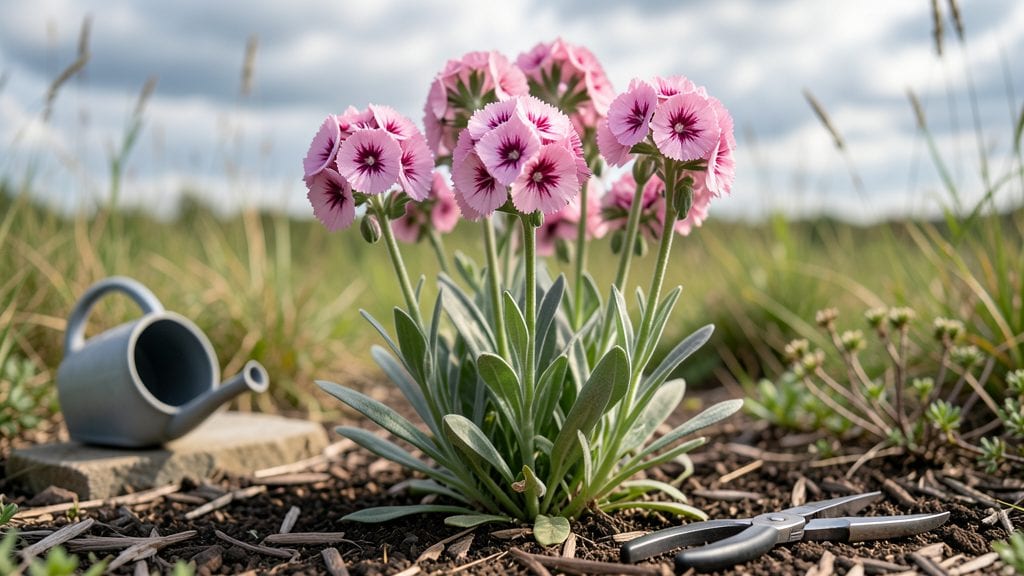
Green dianthus flowers bring a bold twist to gardens with their lush foliage and starburst blooms that defy expectations. 🌿 Unlike traditional pinks and reds, these vibrant green flowers create striking focal points in borders or containers, especially in monochromatic or modern schemes.
Their unique color makes them a conversation starter—imagine a cottage garden where the unexpected pops against lavender and silver foliage.
Pairing them with complementary plants like silver dusty miller or deep purple salvia creates visual drama while keeping the color palette cohesive. In containers, they thrive alongside chartreuse sweet potato vine or bronze grasses for a bold, textured look.
The fragrance adds another layer—think of a garden that smells as good as it looks, drawing in bees and butterflies all season.
For seasonal displays, let them take center stage in early summer when their blooms first appear, then blend them into late-season arrangements with goldenrod or orange sedum. Their foliage stays attractive even when not in bloom, making them a low-maintenance star.
The key is to place them where their unusual hue will shine—whether in a sunny border or a modern planter.
This isn’t just about color—it’s about creating a garden that surprises and delights. Whether you’re designing a pollinator paradise or a minimalist modern space, green dianthus adds unexpected elegance without trying too hard. Let’s make your garden stand out!
📚 In This Guide
- What you need
- Instructions
- Tips and common mistakes
- Wrapping up and next steps
What you need
- ● Green dianthus seeds or seedlings: Choose Dianthus chinensis or Dianthus barbatus varieties with green-tinged foliage (e.g., 'Green Twist' or 'Green Fountain').
- ● Quantity: 10–20 seeds (or 3–5 seedlings for a small garden patch).
- ● Well-draining potting mix: 1–2 bags (12–18 qt) of cactus/succulent mix or a blend of 50% garden soil + 50% perlite/pumice.
- ○ Optional: Add 1 tbsp compost per gallon of mix for extra nutrients.
- ● Containers or garden bed: For seeds: 2–3 small seed trays (with drainage holes) or biodegradable peat pots.
- ● For transplanting: A sunny garden bed (6+ hours of light/day) or large pots (12+ inches deep).
- ● Basic tools: Hand trowel or small transplanting spade
- ● Spray bottle (for seedling moisture)
- ● Gloves (to protect from prickly stems)
- ○ Optional (but helpful!): Pruning shears (for shaping mature plants)
- ● Mulch (e.g., gravel or straw to retain moisture)
- ● Slow-release fertilizer (e.g., 10-10-10 NPK ratio, 1 tbsp per plant)
- ● Pollinator-friendly companions: Lavender, thyme, or catmint (plant 12–18 inches away).
- ● Prerequisites: Full sun exposure (6+ hours/day)
- ● USDA Hardiness Zones 3–9 (or equivalent climate)
- ● Patience! Green dianthus blooms in 8–12 weeks from seed.
How to cultivate fragrant green dianthus for a pollinator-friendly garden
Here's my go-to method for growing vibrant, fragrant dianthus that thrives in sunny gardens and attracts bees.
🌱 Step 1: Choose the Right Location and Soil
Dianthus loves full sun—plant in a spot with at least 6-8 hours of direct sunlight daily. The soil should be well-draining and slightly alkaline, with a pH between 6.5-7.5. If your garden soil is heavy clay, mix in 2-3 inches of coarse sand or perlite to improve drainage.
I always test my soil before planting. A simple pH test kit from the garden center will tell you if you need to adjust. For alkaline-loving dianthus, a sprinkle of crushed limestone in the planting hole helps raise the pH naturally. Avoid soggy soil—dianthus roots rot quickly when waterlogged.
🌱 Step 2: Plant Seeds or Transplants at the Right Time
For best results, sow seeds 4-6 weeks before your last frost date in spring or 8-10 weeks before in fall. Press seeds ¼ inch deep into the soil, spacing them 12-18 inches apart—they need room to grow without crowding. Lightly cover with soil and mist the area to keep it moist.
If you're planting transplants, wait until after the last frost when soil temperatures reach at least 50°F. Gently remove plants from their containers, loosen the roots if they're pot-bound, and place them in the hole at the same depth they were growing before. Water deeply right after planting to settle the soil around the roots.
☀️ Step 3: Provide Consistent Care for Healthy Growth
Water dianthus deeply once a week, allowing the top 2 inches of soil to dry out between waterings. Overwatering causes root rot, so always check moisture levels with your finger before watering again. Mulch around the base with 1-2 inches of organic mulch to retain moisture and suppress weeds—but keep mulch 2 inches away from the stems to prevent rot.
Fertilize lightly in early spring with a balanced, slow-release fertilizer (10-10-10 ratio). Too much nitrogen makes plants leafy but reduces flowering. I use about ½ teaspoon per plant mixed into the soil at planting time, then again in mid-summer. Deadhead spent blooms regularly to encourage more flowers and keep the plant looking tidy.
✂️ Step 4: Prune and Maintain for Continuous Blooms
After the first flush of flowers fades, trim back the stems by ⅓ of their height to encourage bushier growth and more blooms. Use clean, sharp pruners to make cuts just above a set of leaves. This also helps prevent the plant from becoming leggy and improves air circulation, reducing disease risk.
In late summer, give dianthus a light pruning to shape the plant and remove any dead or damaged foliage. This keeps the plant healthy and encourages new growth. If your dianthus starts to look tired by fall, cut it back by half to rejuvenate it for next year. The plant will regrow quickly in spring.
Tips & tricks for perfect green dianthus cultivation
Here's what I wish I knew before planting my first batch—these tricks make all the difference for vibrant, fragrant blooms.
Sunlight Strategy: While dianthus thrives with 6-8 hours of direct sunlight, morning sun paired with afternoon shade in hot climates prevents leaf scorch. I've found that planting near a deciduous tree works beautifully—it provides shade during peak summer heat while still allowing plenty of light for flowering.
Soil Prep Secret: The pH test is crucial, but don't stop there. For heavy clay soils, I recommend mixing in 2-3 inches of coarse sand or perlite AND adding a handful of horticultural charcoal to the planting hole. This improves drainage while also preventing soil compaction that can suffocate roots. The charcoal also helps maintain that ideal 6.5-7.5 pH range naturally.
Timing Tip: When sowing seeds 4-6 weeks before last frost, use a seedling heat mat if your spring nights are still chilly. This gives seedlings a head start and helps them reach transplant size faster. For fall planting (8-10 weeks before frost), I always cover young seedlings with frost cloth on cold nights to protect tender growth.
Watering Wisdom: The "check moisture" method works, but here's a pro move: use a moisture meter for accuracy. Dianthus roots need that top 2 inches to dry out between waterings, but different soil types hold moisture differently. A meter takes the guesswork out—especially important during summer droughts when overwatering becomes tempting.
Pro Tips for Green Dianthus Flower
- Here's what I wish I knew before planting my first batch—these tricks make all the difference for vibrant, fragrant blooms.
- Sunlight Strategy: While dianthus thrives with 6-8 hours of direct sunlight, morning sun paired with afternoon shade in hot climates prevents leaf scorch.
- Soil Prep Secret: The pH test is crucial, but don't stop there.
Frequently asked questions
Got questions about growing and caring for green dianthus flowers? You’re not alone! Here are some of the most common queries—plus quick, practical answers to help you cultivate a thriving pollinator-friendly garden.
How do I encourage my green dianthus to bloom more?
Green dianthus thrives with full sun (6+ hours daily) and well-draining soil. Deadhead spent blooms regularly to redirect energy into new flowers. A light, balanced fertilizer (like 10-10-10) in early spring can also give them a growth boost. Pro tip: Avoid overwatering—let the soil dry slightly between waterings to prevent root rot.
When is the best time to plant green dianthus?
For spring blooms, plant in early spring (after the last frost) or fall (6-8 weeks before the first frost) in cooler climates. In mild zones, you can plant year-round, but avoid extreme heat. Green dianthus is hardy in USDA zones 3-9, so timing depends on your local frost dates. Check your area’s first/last frost dates for precision!
Are green dianthus flowers really good for pollinators?
These fragrant flowers are a pollinator magnet, attracting bees, butterflies, and hummingbirds with their nectar-rich blooms. Their long season (spring to fall) provides a steady food source. For extra appeal, pair them with lavender, salvia, or coneflowers to create a buzzing garden paradise.
What should I do if my green dianthus leaves turn yellow?
Yellowing leaves often signal overwatering or poor drainage. Let the soil dry out between waterings and ensure pots/containers have drainage holes. If the issue persists, check for root rot (soft, mushy roots) or nutrient deficiency (like nitrogen lack). Adjust care and fertilize lightly if needed. Pro tip: Trim affected leaves to encourage new growth.
Can I grow green dianthus in containers? If so, what’s the best setup?
Yes! Green dianthus thrives in containers with 5+ inches of depth and well-draining potting mix. Use a mix of cactus/succulent soil + perlite for optimal airflow. Choose pots with drainage holes and place them in sunny spots (balconies, patios, or windowsills). Water when the top inch of soil feels dry, and fertilize monthly during the growing season.
Wrapping up and next steps
The green dianthus flower isn’t just a stunning addition to your garden—it’s a fragrant, pollinator-friendly powerhouse that brings life, color, and joy to any outdoor space! 🌿 With its easy-care nature and ability to thrive in various conditions, this climber is perfect for both beginners and seasoned gardeners alike.
Ready to transform your garden into a pollinator paradise? Start by gathering your supplies, following the planting tips, and watching your green dianthus flourish. Plant one today, and let nature’s beauty unfold! 🌸