
Flowers
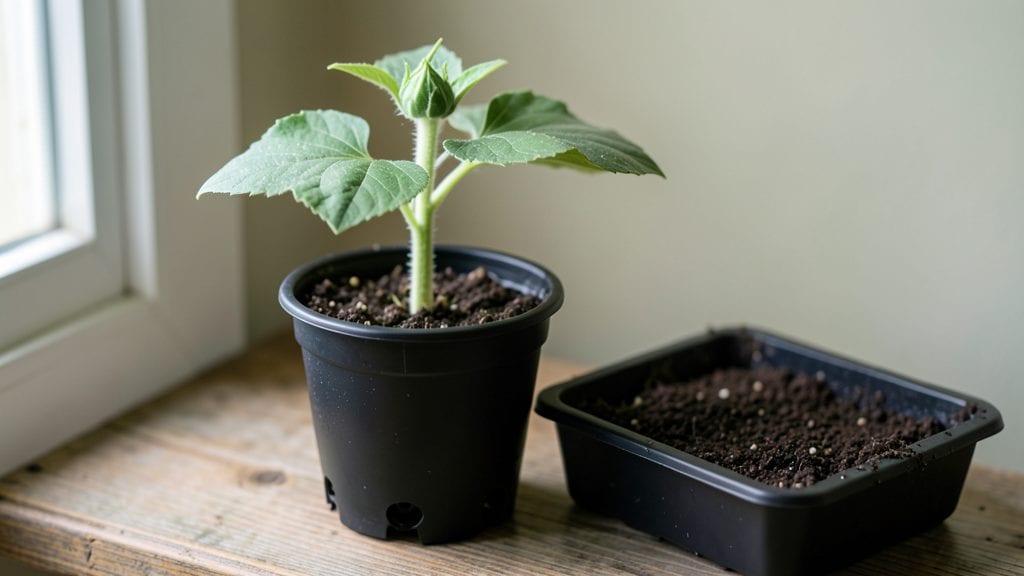
Growing sunflowers indoors lets you enjoy their towering beauty even when your balcony stays empty. 🌻 I’ve watched sunflower seedlings stretch toward grow lights in my living room, and with the right dwarf varieties, you can grow them indoors without needing a sunroom.
The key is choosing compact types like 'Moulin Rouge' or 'Teddy Bear'—they top out at 3-5 feet, perfect for indoor spaces.
You’ll need a 6-inch pot with drainage, well-draining potting mix, and a grow light or south-facing window for at least 6 hours of light daily. Sunflowers are forgiving but need consistent moisture—let the top inch of soil dry between waterings, and avoid soggy roots.
The real magic happens when you support their stems with stakes early, so they don’t flop as they grow.
By mid-summer, you’ll have blooms reaching toward the ceiling, their petals bright against indoor walls. The scent of fresh sunflowers fills the room, and kids (or pets) will flock to see them grow. Even in low light, these sunflowers thrive with patience and the right care—no greenhouse required.
Works for apartments, offices, or sun-starved homes. Here’s how to keep them happy all season long.
📚 In This Guide
- What you need
- Instructions
- Tips and common mistakes
- Wrapping up and next steps
What you need
- ● Sunflower seeds: Choose dwarf or medium varieties (e.g., ‘Teddy Bear’ or ‘Moulin Rouge’) for indoor growing. Quantity: 1–2 seeds per pot (or 3–4 if sowing in bulk).
- ● Containers: Pots with drainage holes, 6–12 inches in diameter (bigger for multiple seeds). Material: Terracotta, plastic, or fabric grow bags.
- ● Well-draining potting mix: A blend of 50% peat-free compost and 50% perlite or vermiculite (sunflowers hate soggy roots!). Quantity: Enough to fill your container(s) to 2/3 capacity.
- ● Grow lights: Full-spectrum LED lights (12–16 hours/day). Specs: 20–40 watts per square foot, 6–12 inches above plants.
- ● Watering can or spray bottle: For gentle hydration (avoid drowning those seeds!).
- ○ Optional: Seed-starting trays or biodegradable pots for easier transplanting.
- ○ Optional: Humidity dome or plastic wrap to retain moisture during germination.
- ○ Optional: Fertilizer (balanced 10-10-10 or organic options like fish emulsion) for nutrient boosts.
- ○ Optional: Support stake or trellis (if growing taller varieties).
- ● Prerequisites: A sunny windowsill (south-facing is ideal) or a dedicated grow light setup.
- ● Patience—sunflowers take 80–120 days to bloom indoors!
Step-by-step guide to growing sunflowers indoors
Here's how to coax those towering sunflower stems indoors with just the right light and care.
🌱 Step 1: Select the Right Variety and Prepare Containers
Choose a dwarf or medium-height variety like 'Moulin Rouge' or 'Teddy Bear'—they thrive indoors and won't outgrow your space. Fill 6-inch deep containers with a well-draining seed-starting mix (never garden soil, which compacts too easily). I use 4-inch pots for each plant, as sunflowers need room for their taproots to develop.
Press the mix down gently until it's firm but not packed—you want air pockets gone but roots able to push through easily. Add a layer of perlite to the bottom for extra drainage if your mix feels dense. The key here is preventing soggy soil, which rots roots before the plant can establish.
🌱 Step 2: Plant Seeds at the Correct Depth and Water Gently
Drop 1-2 seeds per pot about ½ inch deep—any deeper and they’ll struggle to reach light. Cover lightly with additional mix, then mist the surface until evenly moist. Overwatering now will bury seeds too deep, delaying germination.
Place the pots in a warm spot (70-75°F)—a seedling heat mat speeds things up if your home runs cooler. Keep the soil consistently moist but not soggy; I check daily by pressing a finger into the mix. If the top inch feels dry, water lightly until it’s damp throughout.
☀️ Step 3: Provide Supplemental Light for Strong Growth
Sunflowers need 12-16 hours of bright light daily, so a south-facing window is ideal—but most homes lack enough intensity. I use a full-spectrum LED grow light on a 14-hour timer, positioned 6 inches above the plants. Raise it as they grow to prevent burning.
Watch for leggy stems (thin, pale, and stretching toward light). This means your light is too far away or not strong enough. Strong seedlings have thick stems and dark green leaves spaced closely together. Rotate pots quarter-turn weekly so they grow straight, not lopsided.
💧 Step 4: Fertilize and Support as Plants Mature
Once first true leaves appear (about 10-14 days), switch to a balanced liquid fertilizer (10-10-10) diluted to half-strength. Feed every 2 weeks—sunflowers are heavy feeders but hate salt buildup from over-fertilizing. I mix it into water to avoid leaf burn.
When stems reach 12 inches tall, insert a sturdy stake or tomato cage into the pot. Sunflowers grow top-heavy, and without support, they’ll flop over. Tie the main stem loosely with soft plant ties every 4-6 inches as it grows, leaving room to adjust.
✂️ Step 5: Encourage Blooming and Extend the Season
Pinch off any side buds that form in the leaf axils—this directs energy to one main flower per stem. Once the bud swells (about 6-8 weeks after planting), reduce water slightly to let the soil dry between waterings. Overwatering now can cause buds to drop.
For a second bloom, deadhead the spent flower by cutting the stem just above a set of leaves. Keep light strong and fertilize lightly again—some varieties will produce a second, smaller bloom if conditions stay ideal. With patience, your indoor sunflower can reach 5-6 feet tall and still thrive without direct sunlight!
Tips & tricks for perfect indoor sunflower growth
Sunflowers might seem like a challenge indoors, but with these pro tips, you'll coax those towering stems to bloom beautifully.
Container Size Matters: Those 4-inch pots aren't just arbitrary—they give sunflower taproots room to develop properly. If you're tempted to use larger containers, resist! Sunflowers hate soggy soil, and extra space will only lead to waterlogged roots. I've seen roots grow 2-3 feet deep in just 6-inch containers, so give them the right space from the start.
Light Quality is Non-Negotiable: That 12-16 hour light requirement isn't just about duration—it's about intensity. If your grow light is making the plants stretch toward it (leggy growth), you need to move it closer or upgrade to a stronger bulb. I've had success with 20-watt LED bulbs that provide 5,000-6,500 Kelvin light—this full-spectrum range mimics natural sunlight perfectly. Rotate those quarter-turns weekly to prevent lopsided growth.
Watering Wisdom: The finger-check method in Step 2 works, but here's the pro move: use a moisture meter for your seed-starting mix. Sunflowers need consistent moisture during germination, but once they're established (after those first true leaves appear), let the top inch dry between waterings. Overwatering at this stage causes bud drop—something I learned the hard way with my first indoor sunflower!
Fertilizer Timing Secret: That 10-10-10 fertilizer at half-strength isn't just about nutrients—it's about balance. After the first feeding (around day 14), I switch to a lower-nitrogen fertilizer (like 5-10-10) once buds form. The extra phosphorus and potassium help develop those vibrant blooms. And remember: always mix it into water to prevent salt buildup that can burn delicate roots.
Pro Tips for Grow A Sunflower Indoors
- Sunflowers might seem like a challenge indoors, but with these pro tips, you'll coax those towering stems to bloom beautifully.
- Container Size Matters: Those 4-inch pots aren't just arbitrary—they give sunflower taproots room to develop properly.
- Light Quality is Non-Negotiable: That 12-16 hour light requirement isn't just about duration—it's about intensity.
Frequently asked questions
Can sunflowers grow indoors without sunlight?
Sunflowers can grow indoors, but they need bright, artificial light (like grow lights) for 12–16 hours daily. Without enough light, they’ll grow tall but weak with small flowers. Place them near a south-facing window if natural light is limited—but expect slower growth and fewer blooms.
How long does it take for an indoor sunflower to bloom?
Indoor sunflowers typically bloom in 8–12 weeks, depending on the variety and light conditions. Dwarf varieties (like ‘Teddy Bear’) may flower faster (6–8 weeks), while giant types could take longer. Patience is key! Monitor light exposure—more light = quicker blooms.
What’s the best indoor sunflower variety for beginners?
Start with dwarf or compact varieties like:
- ‘Teddy Bear’ (1–2 ft tall, easy to grow)
- ‘Moulin Rouge’ (bicolor, low-maintenance)
- ‘Russian Giant’ (dwarf strain) (smaller but still striking)
Why is my indoor sunflower leaning or falling over?
Leaning sunflowers usually mean light deficiency or overcrowding. Try these fixes:
- Rotate the pot daily for even light exposure.
- Move closer to a grow light (12–18 inches away).
- Stake the stem early with a soft tie to support growth.
- Check for root-bound pots—repot if needed.
Can I grow sunflowers indoors year-round?
Yes! Sunflowers thrive indoors year-round with proper care. Use grow lights in winter (when daylight is short) and maintain 60–75°F temperatures. Just watch for pests (like spider mites) and adjust watering—overwatering is a common killer in low-light setups.
Wrapping up and next steps
Growing sunflowers indoors is a rewarding challenge that proves even the smallest spaces can nurture big dreams—and big blooms! 🌻 With the right light, patience, and care, you’ve got everything you need to watch your sunflower thrive.
Whether you’re a gardening newbie or a seasoned plant parent, this journey is all about celebrating the little victories along the way.
Ready to take the next step? Start small—try a single sunflower in a sunny window or under a grow light, then expand your indoor garden as you gain confidence.
Share your progress with fellow plant lovers or even snap a photo of your towering success! 📸 Your green thumb is growing, one petal at a time.