
Flowers
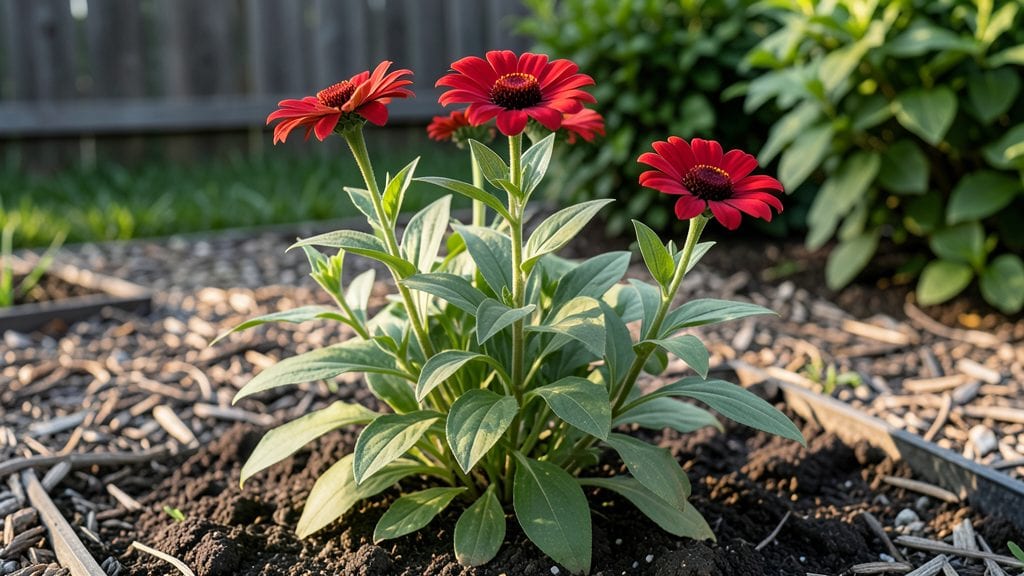
Growing zinnia flowers from seed is the fastest way to fill your garden with bold, starburst blooms that last from June until frost. 🌻 I’ll never forget the first time I scattered seeds in early May—by July, my entire backyard was ablaze with colors I’d only seen in bouquets.
The secret isn’t fancy techniques; it’s timing, sunlight, and a little patience.
Zinnias thrive in full sun (at least 6 hours daily) and well-draining soil, which means even beginners can nail this.
Start seeds indoors 4-6 weeks before your last frost or sow directly outside after soil warms to 50°F. They grow fast—expect those first vibrant blooms in just 6-8 weeks, and once established, they’ll keep producing until cold weather hits.
What makes zinnias special is how effortlessly they reward care. Pinch back early flowers to encourage bushier growth, and deadhead spent blooms to trigger nonstop new flowers all season.
The colors—red, pink, orange, yellow—will have your neighbors asking for cuttings, and you’ll be the one smiling while snipping stems for bouquets.
They’re also disease-resistant and attract pollinators like crazy, making them a low-maintenance superstar. Whether you’re filling containers, borders, or cutting gardens, zinnias prove that the most stunning flowers often grow from the simplest seeds. Let’s get those seeds in the ground!
📚 In This Guide
- What you need
- Instructions
- Tips and common mistakes
- Wrapping up and next steps
What you need
- ● Zinnia seeds: Choose a variety like Benary’s Giant or Profusion (packets typically contain 50–100 seeds).
- ● Well-draining potting mix or garden soil: 1–2 bags (1 cubic foot each) for containers or in-ground planting.
- ○ Containers (optional): 6–12-inch pots (if not planting directly in the ground).
- ● Compost or fertilizer: Balanced 10-10-10 or organic options like worm castings (1–2 cups per planting area).
- ● Gloves: A pair to protect your hands from soil and thorns.
- ● Trowel or hand shovel: For planting seeds and transplanting seedlings.
- ● Watering can or hose with a gentle spray nozzle: Zinnias hate soggy roots!
- ○ Stakes or small cages (optional): For taller varieties like Benary’s Giant (1–2 per plant).
- ● Pruning shears: To trim spent blooms and encourage more flowers.
- ● Sunlight: A spot with 6+ hours of direct sun daily (zinnias are sun-worshippers!).
- ● Warmth: Soil temps of 55°F+ (wait until after the last frost).
- ● Patience: Germination takes 7–14 days—keep the soil moist but not waterlogged!
Step-by-step instructions for cultivating vibrant zinnia blooms
Here’s how to grow zinnia flowers that burst with color and keep blooming all season.
🌱 Step 1: Start Seeds Indoors or Direct-Sow After Frost
Zinnia seeds germinate best in warm soil—wait until after the last frost when soil reaches at least 55°F. If you’re impatient, sow indoors 4-6 weeks before transplanting, using biodegradable pots to avoid root disturbance. Press seeds ¼ inch deep in well-draining seed-starting mix, spacing them 1 inch apart—they won’t transplant well later.
Keep the soil consistently moist (not soggy) until germination, which takes 7-14 days depending on temperature. A humidity dome or plastic wrap helps retain warmth, but remove it once sprouts appear to prevent fungal issues. Watch for tiny green hooks breaking the soil—those are your first true leaves.
☀️ Step 2: Provide Full Sun and Consistent Watering
Zinnias thrive in full sun (6+ hours daily)—place them where they’ll get morning light and afternoon sun for the boldest blooms. If growing in containers, rotate pots weekly so stems grow straight instead of leaning toward the light. Too little sun? You’ll get leggy stems and sparse flowers.
Water deeply once a week, aiming for 1 inch of water total. Let the top 2 inches of soil dry out between waterings—zinnias hate soggy roots. Water at the base in the morning to avoid fungal diseases. You’ll know you’re doing it right when leaves stay crisp and stems feel sturdy.
✂️ Step 3: Deadhead and Prune for Nonstop Blooms
Here’s the secret to zinnias that keep flowering: deadhead regularly. Snip off spent blooms just above the next set of leaves with clean shears. This encourages the plant to produce more buds instead of going to seed. I do this every 2-3 days during peak bloom—it’s a quick habit that pays off with weeks of color.
If your zinnias get too leggy or woody, cut back stems by ⅓ to encourage bushier growth. Pinch off the top set of leaves when seedlings are 4-6 inches tall to promote branching. You’ll see new side shoots within 7-10 days, leading to fuller, more vibrant plants.
💧 Step 4: Fertilize Lightly for Long-Lasting Color
Zinnias don’t need heavy feeding—too much fertilizer leads to lush foliage but fewer blooms. Mix in a balanced, slow-release fertilizer (10-10-10) at planting, then top-dress with compost mid-season. I use ½ teaspoon per plant every 4-6 weeks to keep them flowering without overstimulating growth.
Watch for yellowing leaves—this usually means over-fertilizing. If it happens, flush the soil with plain water and reduce feeding. Zinnias are forgiving, but they reward moderation with bigger, brighter blooms that last until frost.
Tips & tricks for perfect zinnia cultivation
Here's what I've learned after years of growing zinnias that keep blooming like clockwork.
Soil Temperature Secret: That 55°F minimum isn't just a suggestion—it's the magic threshold where zinnia seeds finally decide to wake up. I've tried planting earlier in cooler soil, and while some seeds might germinate, they'll be weak and uneven. Use a soil thermometer to confirm warmth, especially if your spring arrives late. A heat mat can give you an extra week of planting if you're eager to start indoors.
Germination Timing: The 7-14 day window can feel like an eternity, but patience pays off. I've found that warmer conditions (around 75°F) bring germination down to the 7-day end of the spectrum, while cooler soils stretch it to 2 weeks. Mark your planting date and set reminders—zinnias won't wait forever, but they also won't sprout overnight.
Sunlight Strategy: Those 6+ hours of daily sun aren't negotiable for vibrant blooms. I've noticed that zinnias planted in partial shade produce flowers that are paler and smaller. For container growers, rotate pots weekly to prevent stems from leaning toward the light source. Morning sun is particularly important—it helps dry dew quickly, reducing fungal risks.
Fertilizer Precision: That ½ teaspoon of balanced fertilizer every 4-6 weeks is a delicate balance. Too much nitrogen leads to leafy monsters with no flowers, while too little means weak stems. I've had success with a liquid seaweed fertilizer diluted to half strength between my scheduled feedings—it gives a gentle boost without overstimulating growth. Always water before fertilizing to prevent root burn.
Pro Tips for Growing Zinnia Flowers
- Here's what I've learned after years of growing zinnias that keep blooming like clockwork.
- Soil Temperature Secret: That 55°F minimum isn't just a suggestion—it's the magic threshold where zinnia seeds finally decide to wake up.
- Germination Timing: The 7-14 day window can feel like an eternity, but patience pays off.
Frequently asked questions
Got questions about growing zinnia flowers? You’re not alone! Here are some of the most common queries—plus quick, practical answers to help you cultivate stunning blooms all season.
How long does it take for zinnia seeds to germinate?
Zinnia seeds typically sprout within 5 to 10 days after planting, depending on soil temperature and moisture. For faster results, keep the soil warm (around 70°F) and consistently damp. Avoid overwatering, though—soggy soil can delay germination.
Can I grow zinnias from seed indoors, or should I start them outside?
You can start zinnias indoors 4–6 weeks before your last frost date for an earlier bloom. Use small pots or seed trays with well-draining soil and place them under grow lights. However, zinnias are fast-growing and heat-tolerant, so many gardeners prefer direct sowing after soil warms in spring.
What pests or diseases should I watch for when growing zinnias?
Zinnias are generally low-maintenance, but keep an eye out for:
- Aphids or Japanese beetles—spray with water or use neem oil.
- Powdery mildew (white fungal spots)—improve airflow and avoid overhead watering.
- Spider mites (in dry conditions)—mist plants occasionally.
Deadhead spent blooms to encourage more flowers and reduce pest attraction.
Are zinnias annuals or perennials? Will they come back every year?
Zinnias are annuals, meaning they complete their life cycle in one growing season. However, in warm climates (Zones 9–11), they may self-seed and return the following year. Save seeds from your healthiest blooms to replant for next summer’s starbursts!
Can I grow zinnias in containers, or do they need a garden bed?
Zinnias thrive in containers as long as the pot has drainage holes and is at least 6–12 inches deep. Choose a sunny spot (6+ hours of light) and use a lightweight potting mix. Dwarf varieties like ‘Thumbelina’ are perfect for balconies or small spaces.
Pro Tip:
For nonstop blooms, pinch back young zinnias when they’re 4–6 inches tall. This encourages bushier growth and more flowers!
Wrapping up and next steps
Growing zinnia flowers is a rewarding journey that brings vibrant color and joy to your garden all season long! 🌸 With the right soil, sunlight, and care, these cheerful blooms will thrive and keep you smiling from early summer until frost.
Now that you’re armed with the essentials—from seed selection to troubleshooting common issues—it’s time to roll up your sleeves and watch your garden transform into a dazzling zinnia paradise.
Ready to take the next step? Start by planting your first seeds this weekend! Whether you’re a beginner or a seasoned gardener, every zinnia you nurture is a little burst of sunshine waiting to happen. Happy growing! 🌱✨