
Flowers
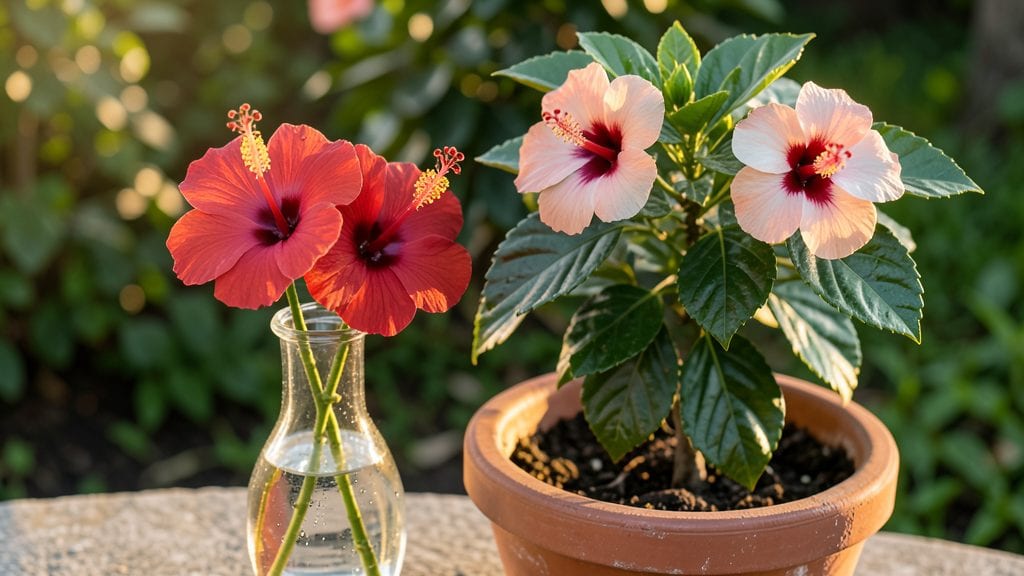
Here’s how to use hibiscus flowers—they’re not just pretty but a versatile treasure waiting to be turned into tea, dyes, or edible garnishes. 🌸 I’ve transformed my garden’s bright blooms into tangy jams, deep pink fabric, and more, and the best part?
You don’t need fancy equipment—just the right timing and a few simple techniques.
Harvesting is the first step, and the key is patience. Pick fully opened flowers in the morning when their petals are crisp and vibrant—this ensures the best flavor for tea or the richest color for dyes.
A sharp pair of scissors works best, and always leave some blooms on the plant to keep it producing. My first batch of hibiscus tea was so bold and floral, it became an instant favorite at dinner parties.
Once you’ve gathered them, the possibilities explode: steep petals for bright, tart tea, blend them into syrups, or simmer them into a natural dye that ranges from soft pink to deep magenta.
The scent alone—like a tropical breeze—makes any project feel special. You’ll even find yourself reaching for these flowers long after the blooming season ends.
Whether you’re dyeing fabric, brewing tea, or arranging them in vases, hibiscus flowers add a bold, natural touch to any project. The garden doesn’t have to be just for looks—it’s your pantry, your art studio, and your kitchen all in one. Let’s get creative with what you’ve already got growing!
📚 In This Guide
- What you need
- Instructions
- Tips and common mistakes
- Wrapping up and next steps
What you need
- ● Fresh or dried hibiscus flowers: 1–2 cups (about 15–20 fresh flowers or ½ cup dried petals). Pro tip: 💡 Use organic, pesticide-free flowers for the best flavor and color!
- ● Water: 4 cups (for tea or dyeing) or as needed for garnishes.
- ● A pot or saucepan: Medium-sized, with a lid (for boiling).
- ● A strainer or fine mesh sieve: To separate petals from liquid.
- ● A clean jar or container: For storing dried flowers or finished tea/dye.
- ● Citric acid or lemon juice: 1–2 tbsp (enhances tartness in tea or dye vibrancy).
- ● Natural sweeteners: Honey, sugar, or stevia (for tea).
- ● White vinegar or baking soda: 1 tbsp (adjusts dye pH for colorfastness).
- ● Fabric or fibers: Cotton, silk, or wool (for dyeing projects).
- ○ Food-safe coloring (optional): A few drops of natural dye (e.g., turmeric) to deepen hues.
- ● Glass jars with lids: For preserving hibiscus-infused liquids.
- ● A safe workspace (especially if dyeing fabrics—protect surfaces!).
- ● Basic kitchen tools (spoons, measuring cups, and a timer).
- ● Patience! Hibiscus dyeing and tea-making require time for optimal results. ☕⏳
Step-by-step instructions for harvesting and preserving hibiscus flowers
Here's how to make the most of your vibrant hibiscus blooms—whether you're brewing tea, crafting garnishes, or creating natural dyes.
🌿 Step 1: Harvest at Peak Freshness
Pick hibiscus flowers in the early morning when petals are fully open and dew-covered. This ensures maximum flavor and color vibrancy. Use clean, sharp scissors or pruning shears to snip stems just above a leaf node—this encourages bushier growth. Avoid harvesting when petals are wilting or damaged, as they won’t yield the best results.
Here's the thing—don’t wait until flowers are fully spent. The ideal time is when petals are fully unfurled but still firm to the touch. If you miss this window, the tea will be weaker, and the dye will be less vivid. A quick pinch test works: gently squeeze a petal—if it springs back, it’s ready.
💧 Step 2: Prepare Flowers for Use
Rinse harvested hibiscus flowers under cool water to remove dirt or pests, then pat them dry with a clean towel or paper towels. Remove any wilted petals, stems, and leaves—these can make your tea bitter or muddy the dye. For tea or garnishes, lay the petals flat on a clean surface to dry naturally in a warm, shaded spot for 1-2 days. For natural dye, you can use fresh or dried petals, but fresh ones yield the most intense color.
Real talk: If you’re in a hurry, spread the petals on a baking sheet in a low oven (170°F) for 1-2 hours to speed up drying. Just don’t let them overheat—they’ll turn brown and lose their vibrant hue. Once fully dry, store them in an airtight container away from direct sunlight to preserve their color and potency.
☀️ Step 3: Brew Hibiscus Tea
For a classic hibiscus tea, steep 1 tablespoon of dried petals in 1 cup of boiling water for 5-10 minutes. The longer you steep, the stronger (and slightly tart) the flavor becomes. Strain the petals through a fine-mesh sieve or cheesecloth into a mug. For a sweeter tea, add honey or sugar to taste—hibiscus has a naturally tangy flavor that pairs beautifully with citrus or mint.
Watch the color transform as the petals release their deep red hue into the water. That’s your signal the tea is ready! If you’re making a larger batch (like for a pitcher), use 1/4 cup dried petals per quart of water and steep for 10-15 minutes. Store leftover tea in the fridge for up to 3 days—it keeps well and tastes even richer the next day.
✂️ Step 4: Create Natural Dyes or Garnishes
For natural dyes, simmer 1 cup of fresh or dried hibiscus petals in 4 cups of water for 30-45 minutes until the liquid turns a deep crimson. Strain the liquid through a cheesecloth-lined sieve into a clean jar. You can use this concentrated dye to tint fabrics, Easter eggs, or even homemade candles. For fabrics, pre-wash them in hot water to remove sizing, then soak in the dye for 1-2 hours for best results.
As a garnish, use fresh hibiscus petals to top cocktails, desserts, or salads. Their bold color and delicate texture make them a stunning addition to anything from fruit salads to champagne. Just remove the center of the flower (where the stamens are) before using—it’s edible but can be slightly bitter. Store fresh petals in the fridge for up to 3 days in a sealed container with a paper towel to absorb moisture.
🪴 Step 5: Preserve for Long-Term Use
To store hibiscus petals for later use, place them in an airtight container with a silica gel packet or a few drops of food-grade essential oil (like lemon or lavender) to prevent moisture and pests. Label the container with the date—properly stored dried petals will keep their color and flavor for up to 1 year. For an extra boost, freeze dried petals in an ice cube tray with a little water, then transfer to a freezer bag. These "hibiscus ice cubes" are perfect for adding a pop of color and flavor to drinks anytime.
Here’s the moment that matters: When you open your container months later and the petals still look vibrant, you’ll know you’ve done it right. That’s the reward of preserving hibiscus—having a pantry staple that’s as beautiful as it is useful.
Tips & tricks for perfect hibiscus flower uses
These simple secrets will help you get the most vibrant color, richest flavor, and longest-lasting results from your hibiscus flowers.
Harvesting Timing: The morning dew is your secret weapon for maximum vibrancy! Harvesting after sunrise means petals are fully hydrated and at their peak color intensity. I've noticed that flowers picked after 10 AM often lose that brilliant red hue faster. If you must harvest later, choose flowers that are just beginning to open rather than fully bloomed—they'll still have that deep color potential.
Drying Technique: For tea and garnishes, air-drying in a warm, shaded spot for 1-2 days preserves the most delicate flavors. If you're impatient (like me!), the 170°F oven method works but requires constant monitoring—set a timer and check every 15 minutes to prevent browning. Pro tip: Spread petals in a single layer on parchment paper to prevent sticking and ensure even drying.
Color Extraction: For natural dyes, simmering 1 cup of petals in 4 cups of water for the full 30-45 minutes yields the deepest crimson. I've found that adding a splash of white vinegar (just 1 tablespoon) during simmering intensifies the color dramatically. Strain immediately through cheesecloth for the smoothest dye—don't use metal strainers as they can react with the acidic liquid.
Storage Secret: Essential oils aren't just for scent—they're your best friend for long-term preservation! A few drops of lemon or lavender oil in your storage container will keep petals vibrant for months. I like to use small glass jars with tight-sealing lids, and I always write the harvest date on them. This helps me track freshness and ensures I use the oldest petals first.
Pro Tips for Use Hibiscus Flowers
- These simple secrets will help you get the most vibrant color, richest flavor, and longest-lasting results from your hibiscus flowers.
- Harvesting Timing: The morning dew is your secret weapon for maximum vibrancy!
- Drying Technique: For tea and garnishes, air-drying in a warm, shaded spot for 1-2 days preserves the most delicate flavors.
Frequently asked questions
Got questions about harnessing hibiscus flowers? You’re not alone! Here are answers to the most common queries—from brewing tea to troubleshooting—so you can use these vibrant blooms with confidence.
Can I use dried hibiscus flowers instead of fresh ones for tea?
Dried hibiscus makes a richer, more concentrated tea with a longer shelf life. Just steep 1–2 tablespoons of dried petals in 1 cup of boiling water for 5–10 minutes. Dried flowers also work well for garnishes and natural dyes—just crush them lightly for better color extraction. Pro tip: Store dried hibiscus in an airtight container away from light to preserve flavor and potency.
How long do hibiscus flowers last in tea before it turns bitter?
Oversteeping can turn hibiscus tea bitter, especially with fresh petals. Aim for 5–7 minutes for a balanced flavor. If using dried flowers, 3–5 minutes is ideal. For a milder taste, reduce steeping time or dilute with hot water. Troubleshooting: If bitterness lingers, add a splash of honey, lemon juice, or a pinch of cinnamon to balance the tang.
What’s the best way to extract color for natural dyeing?
For vibrant dyes, simmer 1 cup of fresh or dried hibiscus petals in 4 cups of water for 30–60 minutes until deeply colored. Strain the liquid and use it to dye fabrics (like cotton or silk) or even your hair (for a temporary reddish tint). Boost intensity: Add a splash of vinegar or alum to set the color. Note: Hibiscus dyes work best on natural fibers and may fade over time.
Can hibiscus tea be made with other herbs or fruits?
Yes! Hibiscus pairs beautifully with complementary flavors. Try blending it with:
- Citrus: Orange peel or lemon slices for a zesty twist.
- Spices: Ginger, cinnamon, or cloves for warmth.
- Herbs: Mint or basil for a refreshing herbal note.
- Sweetener: Honey or agave to balance tartness.
Are there any hibiscus varieties that aren’t safe for consumption?
Most Hibiscus sabdariffa (roselle) and Hibiscus rosa-sinensis (common hibiscus) are edible, but always verify before consuming. Avoid:
- Flowers treated with pesticides or chemicals.
- Wild hibiscus varieties unless confirmed safe (some contain toxic compounds).
- Leaves or stems—only use petals for tea, garnishes, or dyes.
Wrapping up and next steps
Hibiscus flowers are a versatile treasure—whether you're brewing a tangy tea, adding a pop of color to dishes, or crafting natural dyes, they bring creativity and wellness to your life! 🌸 From steeping petals for a refreshing drink to experimenting with vibrant hues, the possibilities are endless.
Now that you’re armed with tips and tricks, why not start small? Try making a batch of hibiscus tea this weekend or dyeing a scarf with petals you’ve foraged. Every little step is a chance to connect with nature’s beauty—so go ahead and explore, create, and enjoy!