
Companion Plants
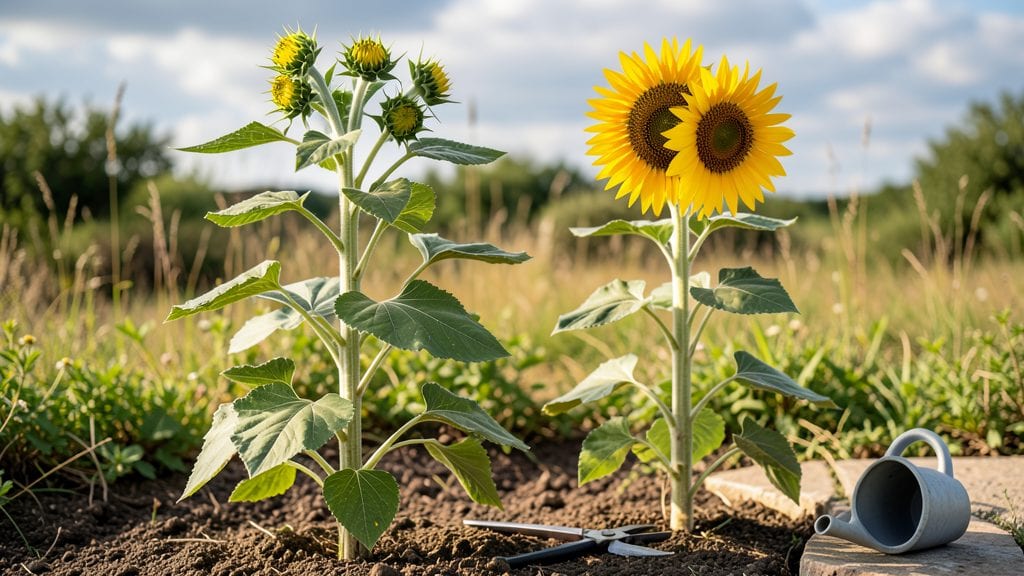
Planting Jerusalem artichokes and sunflowers together turns your garden into a buzzing, pollinator magnet—while giving you edible tubers and stunning blooms. 🌻 I’ve grown this dynamic duo for years, and the results never disappoint: fewer pests, better yields, and a garden that hums with life all season long.
The secret lies in their complementary needs—Jerusalem artichokes thrive in rich, moist soil where sunflowers’ deep roots help aerate it naturally. Both love full sun but tolerate poor soil better than most vegetables, making them perfect for neglected corners or first-time gardeners.
Start with tubers in early spring, then tuck sunflower seeds nearby for a vertical display that shades the artichokes’ leaves.
By midsummer, you’ll harvest crisp, nutty tubers while watching bees and butterflies flock to sunflower blooms. The artichokes’ lacy foliage contrasts beautifully with sunflowers’ bold petals, and the combination deters common pests like squash bugs and aphids. It’s a low-maintenance, high-reward pairing that works in containers or full beds.
Works in zones 3–9, though tubers need protection in colder climates. For best results, plant sunflowers slightly behind artichokes to avoid shading them out. Ready to grow a garden that feeds both your table and your soul?
📚 In This Guide
- What you need
- Instructions
- Tips and common mistakes
- Wrapping up and next steps
What you need
- ● Jerusalem artichoke tubers: 3–5 medium-sized tubers (1–2 inches in diameter) per plant. Choose organic or disease-free tubers for best results.
- ● Sunflower seeds: 5–10 seeds per plant (or 1–2 transplants if starting with seedlings). Opt for Helianthus annuus varieties like ‘Moulin Rouge’ or ‘Autumn Beauty’ for pollinator appeal.
- ● Well-draining soil: Mix in compost or aged manure (2–3 inches) to enrich the soil before planting. Aim for a pH of 6.0–7.5.
- ○ Balanced fertilizer (optional): A 10-10-10 or 5-5-5 blend (1–2 tbsp per planting hole) to give your duo a nutrient boost.
- ● Garden trowel or shovel (for planting tubers/seeds).
- ● Measuring tape or ruler (to space plants 18–24 inches apart).
- ● Watering can or hose with a gentle spray nozzle (Jerusalem artichokes dislike soggy roots!).
- ○ Mulch (straw or wood chips, optional) to retain moisture and suppress weeds.
- ○ Pollinator-friendly companion plants (optional): Add basil, marigolds, or dill nearby to attract bees and butterflies!
- ● Full sun (6+ hours daily)—both plants thrive in bright, open spaces.
- ● Spacious plot: Allocate at least 3x3 feet per Jerusalem artichoke plant and 12–18 inches per sunflower (they’ll spread!).
Step-by-step instructions for planting Jerusalem artichokes and sunflowers together
Pair these two powerhouses for a garden that hums with pollinators and thrives with minimal effort.
🌱 Step 1: Choose the Right Location and Prepare Soil
Sunflowers and Jerusalem artichokes love full sun, so pick a spot that gets at least 6-8 hours of direct sunlight daily. I always check the shade patterns throughout the day—morning sun is great, but afternoon shade helps prevent wilting in hot climates.
Loosen the soil to a depth of 12 inches using a broadfork or tiller. These plants have deep roots, so breaking up compacted soil prevents future struggles. Mix in 2-3 inches of compost to boost fertility—Jerusalem artichokes are heavy feeders, and sunflowers will reward you with stronger stems and bigger blooms.
🌿 Step 2: Plant Jerusalem Artichokes First
Jerusalem artichokes spread aggressively, so plant them 3-4 feet apart in clusters of 3-5 tubers per spot. Dig holes 4-6 inches deep and place the tubers with the "eyes" (small buds) facing upward. Cover lightly with soil—don’t bury them too deep, or they’ll rot.
Water deeply right after planting to settle the soil around the tubers. You’ll see shoots emerge in 2-3 weeks—this is your cue that the roots are establishing. Sunflowers can go in around the same time, but keep them 12-18 inches away from the artichokes to avoid competition for nutrients.
☀️ Step 3: Plant Sunflower Seeds for Pollinator Appeal
Sunflowers are fast growers, so sow their seeds ½ inch deep after the last frost when soil temperatures reach 55°F. Space them 12-18 inches apart in rows 2 feet apart—this gives both plants room to thrive without shading each other out.
Here’s the thing—sunflowers attract bees, butterflies, and hummingbirds, which in turn pollinate the Jerusalem artichokes. You’ll notice more activity in your garden once the sunflowers bloom, and the artichokes will produce larger, more abundant tubers as a result.
💧 Step 4: Water and Mulch for Long-Term Success
Water deeply 1-2 times per week, aiming for 1-2 inches of water each time. Jerusalem artichokes are drought-tolerant once established, but sunflowers need consistent moisture—especially during their early growth phase. Let the top 2 inches of soil dry out between waterings to prevent root rot.
Apply a 3-inch layer of mulch around the base of both plants to retain moisture and suppress weeds. I use straw or shredded leaves—just avoid piling mulch directly against the stems. This keeps the soil cool and reduces evaporation, which is a game-changer in hot summers.
✂️ Step 5: Maintain and Harvest for Maximum Yield
Sunflowers will bolt quickly—once they reach 3-4 feet tall, they’ll flower in 6-8 weeks. Deadhead spent blooms to encourage more flowers and extend the pollinator season. Jerusalem artichokes won’t need pruning, but you can trim back any leggy growth to keep the plant compact.
Harvest Jerusalem artichoke tubers in late fall after the first frost blackens the foliage. Dig carefully with a fork to avoid damaging the tubers—these are your winter storage crops. Sunflowers can be left to dry on the stalk for seed collection, or cut and hang them upside down in a dry, dark place.
Tips & tricks for perfect Jerusalem artichoke and sunflower pairings
Between us, these two plants are a match made in gardening heaven—but only if you nail the details. Here's what nobody tells you about making this duo truly thrive.
Sunlight Strategy: The 6-8 hours of daily sunlight is non-negotiable, but timing matters just as much. Plant sunflowers on the north side of Jerusalem artichokes in Northern Hemisphere gardens to prevent shading during peak afternoon sun. This simple placement keeps both plants happy without competing for light—especially important when sunflowers reach their 3-4 foot height in just 6-8 weeks.
Soil Prep Secret: Don't just loosen that 12-inch depth—test your soil's drainage first. Jerusalem artichokes hate soggy roots, so if your soil stays wet for more than 24 hours after rain, amend with sand or perlite. I've seen tubers rot twice before learning this lesson—trust me, the 2-3 inches of compost won't save you if water pools around the roots.
Pollinator Power Move: The real magic happens when sunflowers bloom, but you can accelerate this by planting a few extra sunflower varieties with different bloom times. This extends your pollinator season from the typical 6-8 week window to nearly 10 weeks. I plant 'Moulin Rouge' (early) and 'Autumn Beauty' (late) alongside my main variety—it's like having a pollinator buffet all season long.
Mulch Mastery: That 3-inch mulch layer isn't just about moisture—it's also about temperature control. In hot climates, mulch keeps soil temperatures down by 10-15°F, which prevents sunflower seeds from germinating too quickly (they need that 55°F soil temp). In cooler areas, it insulates roots during nighttime temperature drops. The key is keeping that mulch 2 inches away from stems to prevent rot.
Pro Tips for Jerusalem Artichoke Sunflower
- Between us, these two plants are a match made in gardening heaven—but only if you nail the details.
- Sunlight Strategy: The 6-8 hours of daily sunlight is non-negotiable, but timing matters just as much.
- Soil Prep Secret: Don't just loosen that 12-inch depth—test your soil's drainage first.
Frequently asked questions
Got questions about growing Jerusalem artichokes (sunchokes) alongside sunflowers? You’re not alone!
Here are some of the most common queries gardeners have about this dynamic duo—plus quick, actionable answers to keep your pollinator-friendly plot thriving.
Can Jerusalem artichokes and sunflowers grow well together in small gardens?
This pairing is a perfect fit for small spaces. Jerusalem artichokes’ deep roots help break up compacted soil, while sunflowers act as natural trellises for climbing plants (like beans) nearby. Plus, sunflowers deter pests that might target artichokes, like slugs. Just ensure they’re spaced 12–18 inches apart to avoid competition for nutrients.
How long does it take for Jerusalem artichokes to mature alongside sunflowers?
Jerusalem artichokes typically mature in 90–120 days, while sunflowers reach full height (3–12 feet!) in 60–100 days, depending on the variety. Plant sunflower seeds first (they germinate faster), then add artichoke tubers 4–6 weeks later. This staggered timing ensures both plants thrive without one outcompeting the other.
Will sunflowers attract too many bees, making it hard to harvest Jerusalem artichokes?
Not at all! Sunflowers are magnets for pollinators, but they actually boost artichoke yields by increasing cross-pollination. If bees become a nuisance during harvest (rare!), wear long sleeves or harvest in the early morning when bees are less active. Plus, sunflowers’ towering presence can shield artichokes from pests like Japanese beetles.
What if my Jerusalem artichokes don’t produce tubers near sunflowers?
Several factors could be at play: light (artichokes need full sun), soil (they prefer loose, well-draining dirt), or overcrowding. Try these fixes:
- Move artichokes to a sunnier spot if shaded by tall sunflowers.
- Add compost or sand to heavy clay soil to improve drainage.
- Thin sunflowers to 1 per 6–12 inches to reduce competition.
Can I eat both Jerusalem artichokes and sunflower seeds from the same garden?
Yes! Jerusalem artichokes are edible (tubers are nutritious and tasty), and sunflower seeds are a superfood—just ensure your garden is pesticide-free. For sunflower seeds, let some heads mature fully (they’ll turn brown and dry). Harvest artichoke tubers in fall after the first frost for the best flavor. Pro tip: Wear gloves when handling artichokes—they can stain hands!
Wrapping up and next steps
Ready to transform your garden into a buzzing, pollinator-friendly paradise? 🌻🐝 The Jerusalem artichoke and sunflower duo isn’t just a match made in gardening heaven—it’s a powerhouse for sustainability, beauty, and biodiversity.
By pairing these two, you’re not only boosting yields and pest control but also creating a thriving ecosystem that benefits everyone, from bees to your dinner plate.
Now that you’re armed with the how and why, take the next step: sketch a layout for your garden beds, grab those seeds, and let nature do the rest! Start small, experiment, and watch your garden flourish—one pollinator at a time. Happy planting! 🌱✨