
Blooming
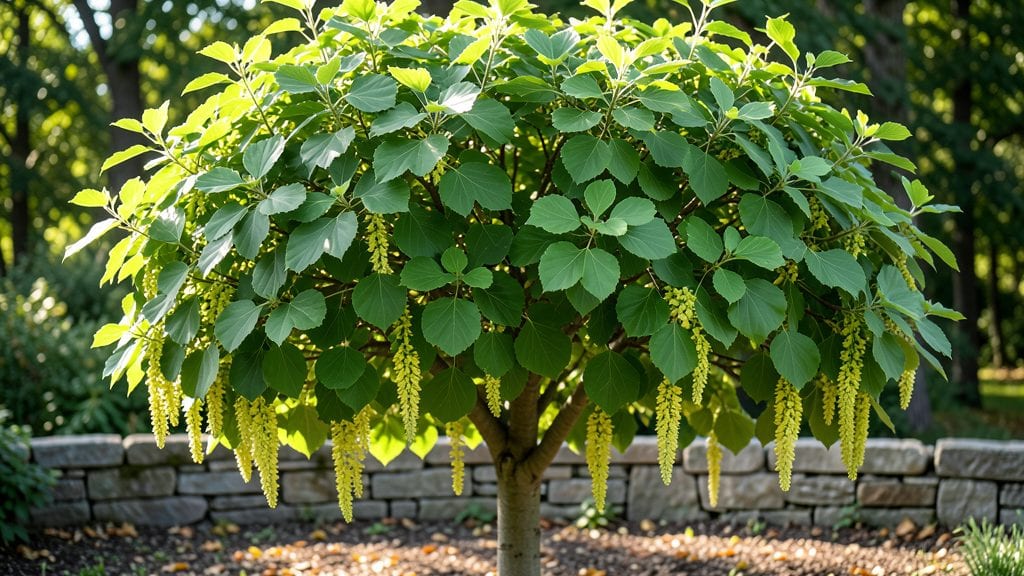
Growing lime blossom flowers transforms your yard into a hummingbird paradise with their intoxicating citrus scent. 🌿 I planted mine last spring, and within weeks, the fragrant white blooms drew hummingbirds that hovered like tiny helicopters—something I’d never seen before.
The key is mimicking their native tropical climate, which isn’t as tricky as it sounds.
These perennials thrive in zones 9-11 but can be grown as container plants in cooler areas. They need bright, indirect light—think dappled shade under palm trees—and well-draining soil mixed with compost. Water when the top inch feels dry, but avoid soggy roots, which is where most problems start.
Varieties like Murraya paniculata offer both ornamental beauty and edible fruit, though the blossoms are the real star.
By summer, you’ll have a fragrant cloud of flowers that hummingbirds can’t resist. The glossy leaves add texture, and the scent lingers in the air like a tropical breeze. Prune lightly after blooming to encourage fuller growth, and watch as your garden becomes a magnet for pollinators.
The best part? These plants keep getting better with age—once established, they’re nearly maintenance-free.
Perfect for small yards, containers, or as a focal point in tropical-themed gardens. If you’ve ever wanted a garden that feels like a vacation, lime blossoms deliver—without the plane ticket. Let’s get yours growing!
📚 In This Guide
- What you need
- Instructions
- Tips and common mistakes
- Wrapping up and next steps
What you need
- ● Lime blossom seeds or saplings: Choose from Tilia cordata (littleleaf lime) or Tilia americana (American lime). Start with 3–5 plants for a small garden or 10+ for a pollinator-friendly grove.
- ● Well-draining potting mix: A blend of 60% garden soil, 30% compost, and 10% perlite/sand (for seedlings). For mature trees, use native soil amended with compost.
- ● Organic fertilizer: 10-10-10 NPK ratio (or compost tea) to kickstart growth. Apply once in early spring.
- ● Mulch: 2–3 inches of wood chips or straw to retain moisture and suppress weeds.
- ● Garden trowel or spade (for planting/seeding)
- ● Pruning shears (sterilized with rubbing alcohol)
- ● Watering can or hose with a gentle spray nozzle
- ● Garden gloves (to protect from sap and thorns)
- ○ pH testing kit (optional but helpful—lime blossoms thrive in slightly acidic to neutral soil (pH 6.0–7.5))
- ● Hummingbird feeders (to attract pollinators while flowers bloom)
- ● Epsom salt (1 tbsp/month for magnesium-rich foliage)
- ● Shade cloth (for seedlings in hot climates)
- ● Birdhouses or bat boxes (to complement your hummingbird haven!)
Step-by-Step guide to cultivating lime blossom flowers
Here's how to nurture these fragrant perennials into a hummingbird magnet.
🌱 Step 1: Select and Prepare the Planting Site
Lime blossom flowers thrive in well-draining soil with a pH between 6.0 and 7.0. Choose a location that receives at least 6 hours of sunlight daily—morning sun with afternoon shade works best in hot climates. I always test soil drainage by digging a hole, filling it with water, and waiting to see if it drains within 30 minutes. If water pools, amend the soil with 2-3 inches of organic matter like compost or aged manure.
These plants have delicate root systems, so avoid heavy clay soils. If your garden soil is dense, mix in 1 part sand or perlite to improve aeration. The ideal spot should also be sheltered from strong winds, which can damage the fragrant blossoms before pollinators arrive.
🌿 Step 2: Plant with Proper Spacing and Support
Space lime blossom plants 6-8 feet apart to allow for air circulation and future growth. Dig a hole twice as wide as the root ball but only as deep as the container it came in. Gently remove the plant from its container, loosen the roots if they're circling, and place it in the hole so the top of the root ball sits level with the surrounding soil. This prevents water from pooling around the stem.
For young plants or areas prone to wind, install a light support stake at planting time. Drive it 4-6 inches into the ground next to the plant but not touching the stem. The goal is to provide stability without restricting growth. Water deeply after planting to settle the soil around the roots—you'll see the soil surface firm up slightly as it absorbs moisture.
☀️ Step 3: Establish a Watering Routine for Healthy Growth
Water lime blossom flowers deeply once a week during the first growing season, allowing the top 2-3 inches of soil to dry out between waterings. Overwatering leads to root rot, which is fatal for these tropical-looking perennials. I like to use a soaker hose or drip irrigation to deliver water directly to the root zone without wetting the foliage, reducing disease risk.
Once established, these plants are surprisingly drought-tolerant. You'll notice the leaves begin to droop slightly when thirsty—this is your cue to water. However, don't wait until the plant looks wilted. Consistent moisture encourages stronger blooms and more fragrance. Mulch around the base with 2-3 inches of organic mulch to retain soil moisture and regulate temperature.
✂️ Step 4: Prune for Fragrance and Pollinator Appeal
Prune lime blossom flowers immediately after the first flush of blooms has faded. Cut back each stem to just above a leaf node that's 4-6 inches below the faded flowers. This encourages bushier growth and more abundant blooming. I always use clean, sharp pruners to make 45-degree cuts—this prevents tearing and promotes faster healing.
Remove any dead, diseased, or crossing branches throughout the growing season. The goal is to maintain an open center that allows sunlight to reach all parts of the plant. You'll see new growth emerge from the pruned areas within 2-3 weeks, signaling successful regeneration. For established plants, a light pruning in early spring before new growth begins helps stimulate vigorous flowering.
🪴 Step 5: Protect and Maintain for Long-Term Blooms
Lime blossom flowers are sensitive to frost and prefer winter temperatures above 30°F. In colder climates, mulch heavily around the base with 4-6 inches of straw or leaves before the first frost. This insulates the roots and protects against temperature swings. I also wrap young plants in burlap during extreme cold snaps to prevent damage to the delicate stems.
Fertilize lightly in early spring with a balanced 10-10-10 fertilizer applied at half strength. These plants don't need heavy feeding—they respond best to organic matter worked into the soil annually. Watch for signs of nutrient deficiency: yellowing leaves indicate nitrogen needs, while weak stems suggest phosphorus deficiency. Adjust your approach accordingly, but remember—lime blossoms prefer lean conditions.
Tips & tricks for perfect lime blossom flower cultivation
Here's what I've learned after watching these fragrant beauties transform gardens into hummingbird paradises.
Soil Drainage Test: That 30-minute drainage check in Step 1 is non-negotiable. I've seen too many lime blossoms fail because water pooled around their roots. If your soil drains slower than 30 minutes, mix in 1 part sand or perlite to every 2 parts soil—this creates the perfect airy environment their delicate roots crave. Think of it as giving them a breathable foundation, not a waterlogged swamp.
Pruning Precision: When you're pruning in Step 4, those 45-degree cuts aren't just for show—they're essential for healing. I always sterilize my pruners with rubbing alcohol between cuts to prevent disease spread. And here's a secret: the 2-3 week regrowth window is your reward for proper technique. Watch for fresh green shoots emerging from the pruned areas—this tells you you've done it right.
Winter Protection Strategy: That 30°F threshold in Step 5 is critical. In my zone 6 garden, I've found that adding 4-6 inches of straw mulch creates an insulating blanket that keeps roots safely above freezing. For young plants, wrap them in burlap like a cozy scarf—it's the difference between next year's blooms and a sad, frozen stub. The key is protecting the stems while letting roots breathe.
Sunlight Compromise: For hot climates, morning sun with afternoon shade is ideal, but I've seen these plants thrive with 5 hours of direct sun if the afternoon shade is substantial. The trick is to avoid the harsh midday sun that can scorch delicate blossoms. If you're in a low-light area, consider a spot near a south-facing wall that gets reflected light.
Pro Tips for Lime Blossom Flower
- Here's what I've learned after watching these fragrant beauties transform gardens into hummingbird paradises.
- Soil Drainage Test: That 30-minute drainage check in Step 1 is non-negotiable.
- Pruning Precision: When you're pruning in Step 4, those 45-degree cuts aren't just for show—they're essential for healing.
Frequently asked questions
Got questions about growing and caring for lime blossom flowers? You’re not alone! Here are some of the most common queries—plus quick, practical answers to help you cultivate a fragrant haven for hummingbirds.
When is the best time to plant lime blossom flowers?
Plant lime blossom flowers in early spring (after the last frost) or late summer (6-8 weeks before the first frost). This gives roots time to establish before extreme temperatures. If you’re in a warm climate (Zones 9-11), you can plant year-round—but avoid winter planting in colder regions.
Do lime blossom flowers really attract hummingbirds?
Their bright white, tubular blooms and sweet fragrance are irresistible to hummingbirds. For extra appeal, plant them near feeders or other nectar-rich flowers like salvias or fuchsias. Just be patient—hummingbirds may take a few weeks to discover your new garden gem!
How often should I water lime blossom flowers?
Keep soil consistently moist but not soggy, especially during the first year. Water deeply 1-2 times per week, adjusting for rain. Once established, they’re drought-tolerant but will reward you with more blooms if you keep them hydrated. Mulch around the base to retain moisture and protect roots.
Can I grow lime blossom flowers in containers?
Yes! Choose a large pot (at least 12 inches deep) with drainage holes and use well-draining potting mix. Place in full sun to partial shade and water regularly. Container-grown lime blossoms may need annual repotting as they outgrow their space. Just ensure the pot stays stable—hummingbirds love a sturdy perch!
Why aren’t my lime blossom flowers blooming?
Lack of blooms often stems from over-fertilizing (too much nitrogen), poor sunlight, or stress from extreme heat/cold. Try these fixes:
- Move to a sunnier spot (6+ hours of direct sun).
- Use a balanced, low-nitrogen fertilizer (like 5-10-10) in spring.
- Prune dead or leggy growth to encourage new blooms.
- Check for pests (like aphids) and treat with neem oil if needed.
Are lime blossom flowers frost-sensitive?
Yes! While mature plants can tolerate light frosts, new growth or young plants may suffer damage below 25°F (-4°C). In cold climates, plant in sheltered spots or use row covers in winter. If you’re in Zone 8 or colder, consider growing them as annuals or overwintering potted plants indoors.
Wrapping up and next steps
The lime blossom flower isn’t just a fragrant beauty—it’s a hummingbird magnet and a low-maintenance perennial that brings joy year after year. With the right care, you’ll enjoy its intoxicating scent and vibrant blooms, creating a haven for pollinators in your garden. 🌸
Ready to plant your own slice of paradise? Start by choosing a sunny spot, gathering your supplies, and following the steps above. Soon, you’ll be rewarded with a fragrant, buzzing oasis—one blossom at a time!