
Flowers
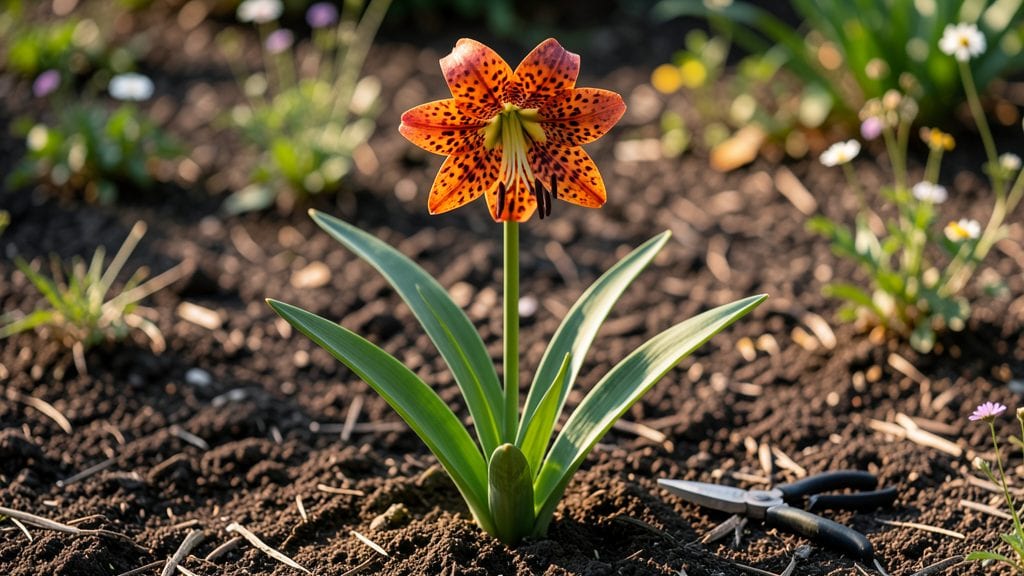
The lion lily flower thrives where others freeze—its frost-resistant stems and bold spots make it a standout climber for Pacific Northwest gardens. 🌿 I planted mine last October, and by early spring, the dark green leaves were already reaching for trellises, while the first blooms appeared by June.
This isn’t just another shade-tolerant plant; it’s a year-round performer that keeps your garden lively from late summer through frost.
Start with well-draining soil—lion lilies hate soggy roots—and give them partial shade to full sun, depending on your climate. In hotter inland PNW areas, morning sun with afternoon shade works best, while coastal gardens can handle more light.
Water consistently but let the top inch dry between waterings; these plants store moisture in their bulbs, so drought isn’t their enemy. For best results, plant bulbs 6 inches deep in fall, spacing them 12 inches apart to give their sturdy stems room to climb.
What you’ll love most are the dramatic blooms—each trumpet-shaped flower sports bold purple-brown spots that catch the light like stained glass. The fragrance is subtle but intoxicating, and the plants rebloom reliably if you deadhead spent flowers.
Even better? They multiply underground, creating natural colonies that fill gaps in your garden over time. This is the kind of plant that makes neighbors ask, “What’s that?”—and then want one for themselves.
For experienced gardeners, try propagation by dividing mature clumps in early spring or late fall. Just dig up established plants, separate the bulbs, and replant them—no special tricks needed. Watch for slugs on young shoots (a quick beer trap works wonders) and avoid over-fertilizing, which can weaken the stems.
With minimal care, your lion lilies will reward you with bold color and effortless drama for decades.
📚 In This Guide
- What you need
- Instructions
- Tips and common mistakes
- Wrapping up and next steps
What you need
- ● Lion Lily Bulbs: 5–10 Fritillaria lanceolata bulbs (choose certified disease-free for best results).
- ● Well-Draining Soil: A mix of 50% native soil, 30% compost, and 20% perlite or coarse sand (critical for preventing rot!).
- ● Garden Space: Full sun to partial shade (6+ hours of sunlight daily).
- ● Sheltered from strong winds (these beauties are delicate!).
- ● Mulch: 2–3 inches of organic mulch (e.g., shredded bark or straw) to retain moisture and regulate temperature.
- ● Gardening Gloves (to protect hands from sharp bulb edges).
- ● Hand Trowel or Bulb Planter (for precise planting).
- ● Watering Can or Hose with Gentle Nozzle (avoid oversaturating bulbs!).
- ○ pH Test Kit (Optional but Helpful): Aim for a soil pH of 6.0–7.0 (lion lilies thrive in slightly acidic to neutral soil).
- ● Stakes or Trellis (For Climbing Varieties): If growing the Fritillaria camschatcensis hybrid (taller varieties), add stakes for support.
- ● 💡 Plant in fall (September–October) for best root establishment before winter.
- ● 🌡️ Avoid soggy soil—lion lilies hate waterlogged conditions. Elevate beds if drainage is poor.
- ● ✨ Deadhead spent blooms to encourage bulb energy for next year’s flowers!
Step-by-Step instructions for planting and caring for lion lilies
Here’s how to get these hardy climbers thriving in your Pacific Northwest garden.
🌱 Step 1: Choose the Right Location and Prepare the Soil
Lion lilies love partial shade to full sun and tolerate frost beautifully—perfect for the PNW’s unpredictable weather. Pick a spot with morning sun and afternoon shade if summers get hot, or full sun if your climate stays mild. The soil should drain well, but they’re forgiving if it’s not perfect.
Loosen the top 12 inches of soil with a garden fork to help roots spread. Lion lilies grow best in well-draining, slightly acidic soil (pH 5.5-6.5). If your soil is heavy clay, mix in 2-3 inches of compost to improve texture and fertility. Avoid soggy spots—they’ll rot before they bloom.
🪴 Step 2: Plant Bulbs at the Correct Depth and Spacing
Plant the bulbs in early fall (September-October) or late winter (February-March) for best results. Dig holes 6-8 inches deep—deeper than most bulbs, since lion lilies have thick, fleshy roots that need room. Space them 12-18 inches apart in rows or clusters for a lush, natural look.
Place the bulb with the pointy end up (the flat side down). If you’re unsure, just plant it sideways—it’ll find its way. Cover with soil, then water deeply to settle everything. Mulch with 2-3 inches of shredded bark or leaves to protect roots from winter freezes and summer heat.
☀️ Step 3: Water and Fertilize for Strong Growth
Water once a week during the first growing season to help roots establish, but don’t overdo it—lion lilies hate soggy soil. After that, they’re drought-tolerant once settled. You’ll know they’re happy when new leaves emerge in early spring, even before flowers appear.
Fertilize lightly in early spring with a balanced, slow-release bulb fertilizer (10-10-10). Scatter ½ cup per plant around the base, then water it in. Avoid high-nitrogen fertilizers—they’ll give you leaves but few flowers. If your soil is poor, a top dressing of compost in fall also helps.
✂️ Step 4: Support Vines and Deadhead Spent Blooms
Lion lilies climb using aerial roots, so provide a trellis, fence, or sturdy branches for them to grip. Install supports before vines get too long—they can reach 6-10 feet if given space. Tie vines loosely with soft twine or garden tape to avoid damaging the stems.
After blooms fade, snip spent flowers just above the next set of leaves to encourage more blooms. Don’t cut back foliage until it turns yellow in late fall—the leaves feed the bulbs for next year’s flowers. If vines get too leggy, trim them back in early summer to keep energy focused on blooming.
Tips & tricks for perfect lion lily planting
Between us, these hardy climbers are forgiving but thrive when you pay attention to a few key details. Here's what I've learned after watching my own lion lilies flourish in the PNW climate.
Soil Prep Secret: That 12-inch soil loosening in Step 1 isn't just about roots—it's about creating air pockets that prevent waterlogging. If your garden has compacted soil, add a handful of perlite to the bottom of each planting hole to boost drainage even more. I've seen lion lilies rot when planted in soggy ground, even though they're frost-resistant!
Planting Depth Insight: The 6-8 inch depth recommendation might seem deep, but lion lilies have thick rhizomes that need room to establish. If you're planting in heavy clay, go for the deeper end of this range. I've noticed plants in shallower holes often produce fewer blooms because their roots can't spread properly.
Mulching Strategy: That 2-3 inches of mulch isn't just for winter protection—it's a year-round moisture regulator. In summer, it keeps roots cool; in winter, it insulates against frost. I use cedar chips because they resist decomposition longer than leaves, but any organic mulch works. Just avoid piling it right against the stems to prevent rot.
Support Timing: Installing supports before vines get long (Step 4) is crucial, but I've found the best time is actually when vines reach about 12 inches tall. This gives them enough strength to climb but prevents them from getting tangled or damaged. Use soft twine—nylon or jute can cut into the delicate stems over time.
Pro Tips for Lion Lily Flower
- Between us, these hardy climbers are forgiving but thrive when you pay attention to a few key details.
- Soil Prep Secret: That 12-inch soil loosening in Step 1 isn't just about roots—it's about creating air pockets that prevent waterlogging.
- Planting Depth Insight: The 6-8 inch depth recommendation might seem deep, but lion lilies have thick rhizomes that need room to establish.
Frequently asked questions
Got questions about growing lion lily flowers in your Pacific Northwest garden? You’re not alone! Here are some of the most common queries—plus quick answers to help you get started with confidence.
How cold-hardy is the lion lily, and can it survive PNW winters?
The lion lily (Lilium columbianum) is one of the hardiest lilies, thriving in USDA Zones 3-9. In the PNW, it handles frost beautifully—even blackening slightly after snowfall—then bounces back in spring. Just plant bulbs 6 inches deep in well-draining soil to prevent rot. Pro tip: Mulch lightly in late fall for extra insulation!
When is the best time to plant lion lily bulbs in the Pacific Northwest?
For fall planting (ideal for PNW’s mild winters), aim for September to early November—before the ground freezes. Spring planting is possible too, but bulbs need 8-10 weeks to establish roots before summer heat. Skip spring planting if you’re in Zone 7+, as summer drought can stress new growth.
Why aren’t my lion lilies blooming—what am I doing wrong?
No blooms? Check these common culprits:
- Too much shade: Lion lilies need full sun (6+ hours/day) for robust blooms. PNW shade gardens? Try a southeast-facing spot.
- Overcrowded bulbs: Divide bulbs every 3-4 years if they’re clustered tightly.
- Poor soil: Amend with compost or bone meal (high in phosphorus) in early spring to encourage flowering.
- First-year bulbs: They often skip blooming to focus on root growth—be patient!
Can I grow lion lilies in containers, or do they need garden beds?
Yes! Lion lilies adapt well to containers (12"+ depth) if you:
- Use fast-draining mix (add perlite or grit).
- Plant 3-5 bulbs per 10" pot for a full look.
- Move pots to bright light in winter (they’re dormant but need light).
Bonus: Container-grown lilies are easier to protect from slugs (a PNW pest!) with a copper barrier or diatomaceous earth.
How do I protect lion lilies from slugs and deer in the PNW?
These critters love lion lilies—here’s how to deter them:
Pest
Solution
Slugs
Set out beer traps or sprinkle coffee grounds around plants (slugs hate the acidity).
Deer
Use repellent sprays (like Liquid Fence) or plant deer-resistant companions like lavender or Russian sage nearby.
Squirrels (digging bulbs!)
Cover bulbs with hardware cloth after planting, or try chili pepper spray.
Quick fix: Handpick slugs at dawn—they’re slow and easy to spot!
Wrapping up and next steps
The lion lily flower is a stunning, low-maintenance gem for Pacific Northwest gardeners—its frost-resistant charm and year-round beauty make it a true standout. Whether you’re drawn to its bold blooms or its ability to thrive in cooler climates, this climber promises effortless elegance with minimal fuss. 🌿
Ready to transform your garden? Start by choosing a sunny spot, gathering your supplies, and planting with confidence. Your next step? Mark your calendar for early spring or fall—then get those roots in the soil and watch your lion lily take center stage!