
Orchid Care
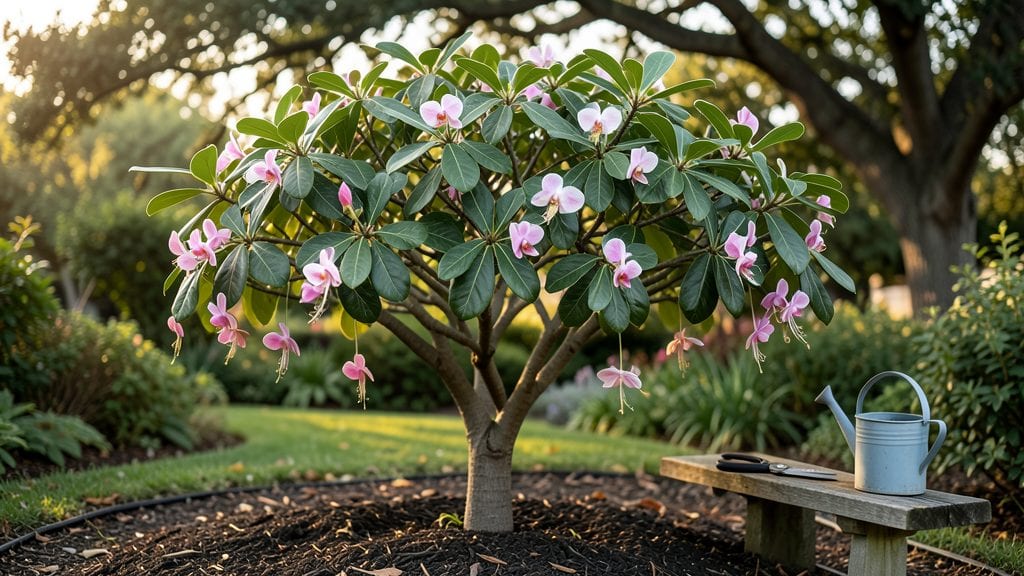
That first burst of orchid tree flowers in your Pacific Northwest garden feels like a secret kept just for you. 🌸 The delicate starburst blooms of Bauhinia or Cassia defy the cloudy skies and cool summers that challenge so many tropical plants—but with the right approach, they thrive here.
I’ve seen them transform bare branches into cascades of pink, white, and yellow, even when other plants give up.
Here’s the trick: they’re not fussy, but they do need bright light—even if it’s filtered—and soil that drains like a sandy beach. Water them when the top inch feels dry, and watch how quickly they bounce back from neglect.
Pruning after blooms encourages those dramatic flower displays the following season, and with a little patience, you’ll have a tree that blooms reliably from spring through summer.
Imagine stepping outside in June to find your orchid tree covered in blossoms, hummingbirds darting between them. The fragrance is subtle but intoxicating, and the flowers last for weeks—longer than most garden blooms.
This isn’t just a plant; it’s a showstopper that turns heads and fills your yard with life, even when the weather isn’t cooperating.
Whether you’re starting with a bare-root cutting or a small container plant, the key is matching their needs to your space. Let’s get yours growing strong—and blooming like crazy—this season.
📚 In This Guide
- What you need
- Instructions
- Tips and common mistakes
- Wrapping up and next steps
What you need
- ● Orchid tree (Bauhinia) plant: 1–3 young saplings (3–5 ft tall) or seeds (if starting from scratch)
- ● Pro tip: 💡 Opt for Bauhinia variegata or Bauhinia blakeana for vibrant blooms!
- ● Well-draining soil mix: 50% native soil (or potting mix for containers)
- ● 30% perlite or coarse sand (for aeration)
- ● 20% compost or aged manure (for nutrients)
- ○ Container (optional but recommended for young plants): 1–2 large pots (12–18" diameter) with drainage holes
- ● Pro tip: 🌡️ Use terracotta or fabric pots to prevent root rot!
- ● Trowel or small shovel (for planting)
- ● Garden gloves (to protect hands from thorns)
- ● Watering can or hose with a gentle spray nozzle
- ● Pruning shears (for shaping and maintenance)
- ● Mulch (2–3 inches of wood chips or bark)
- ● Sunlight: Full sun (6+ hours/day) or partial shade (for milder PNW climates)
- ● Climate note: Orchid trees thrive in USDA Zones 9–11—use a microclimate or greenhouse in cooler areas!
- ● Slow-release fertilizer (balanced 10-10-10 or orchid-specific)
- ● Epsom salt (1 tbsp/month in water for magnesium boost)
- ● Support trellis or stake (for young, top-heavy plants)
- ● Frost cloth (for protecting young plants in late spring/fall)
Step-by-Step guide to growing and caring for orchid tree flowers
Here's how to coax those stunning starburst blooms from your Pacific Northwest orchid tree.
🌱 Step 1: Choose the Right Location for Your Tree
Orchid trees thrive in spots that get at least 6 hours of sunlight daily, but they're more flexible than most tropical plants. In the Pacific Northwest's cooler climate, a location with morning sun and afternoon shade works beautifully. I've seen them flourish under large deciduous trees where they get dappled light all day.
Watch for the first flush of new leaves in spring—they'll tell you if the light is right. If leaves appear pale and stretched, your tree needs more light. If they're small and dark, it's getting too much direct afternoon sun. A spot near a south-facing window works well indoors, but rotate the pot weekly so the tree grows evenly.
☀️ Step 2: Master the Watering Routine
This is where orchid trees surprise gardeners—they're far more drought-tolerant than most people expect. Water when the top 2-3 inches of soil feel completely dry, which might be every 7-10 days in summer or monthly in winter. I stick my finger in the soil up to my first knuckle to check moisture levels.
When you water, soak thoroughly until water runs out the drainage holes. Empty the saucer immediately after—orchid trees hate soggy roots. The key is consistency: better to underwater slightly than to let the tree sit in wet soil. You'll notice the leaves start to wrinkle slightly when it's time to water again.
🪴 Step 3: Feed During the Growing Season
Start fertilizing in early spring when you see new growth begin. Use a balanced, water-soluble fertilizer diluted to half-strength every 4-6 weeks through summer. I've found orchid trees respond best to regular light feedings rather than heavy doses.
Stop fertilizing completely in fall and winter when the tree enters its dormant period. The leaves might yellow slightly as they drop—this is normal. Resume feeding when you see fresh green growth emerge in late winter. Too much fertilizer in winter can actually harm the tree by encouraging weak growth when it should be resting.
✂️ Step 4: Prune for Better Blooms
Pruning encourages stronger growth and more abundant flowers. After the blooming season ends, cut back any spent flower stalks to just above a leaf node. I use clean, sharp pruners to make the cuts at a slight angle about ¼ inch above the node.
In late winter or early spring, prune any leggy or overcrowded branches back by about ⅓ of their length. This stimulates new growth and helps the tree develop a fuller shape. Don't worry if it looks sparse after pruning—new shoots will emerge quickly in spring. Just avoid heavy pruning in fall when the tree is preparing for dormancy.
Tips & tricks for perfect orchid tree flowers
Took me years to figure out how to get those show-stopping starburst blooms thriving in PNW conditions—here's what actually works.
Lighting Strategy: In Step 1, when you're choosing that perfect morning sun/afternoon shade spot, look for locations where the light filters through tree leaves rather than hitting the tree directly. I've noticed the most vibrant blooms come from trees under large maples or oaks where the light is diffused like a natural shade cloth. If you're growing indoors, a south-facing window with sheer curtains works wonders—just remember to rotate your tree weekly so it doesn't lean toward the light.
Watering Wisdom: The 7-10 day watering schedule in Step 2 might seem long, but orchid trees actually thrive on this drought tolerance. Here's the trick I learned: water in the morning so any excess can evaporate through the day rather than sitting in the saucer. I've seen trees with soggy roots develop root rot within weeks, so always empty that saucer immediately after watering. And yes, those wrinkled leaves are your tree's way of saying "I'm thirsty!"
Fertilizing Fine-Tuning: When you start that half-strength fertilizer every 4-6 weeks in Step 3, consider using a slow-release fertilizer instead of liquid for even more consistent results. I've had great success with osmocote pellets mixed into the soil at planting time—they release nutrients gradually over months. The key is to stop completely in fall when the tree enters dormancy, even if you see some green leaves remaining.
Pruning Precision: That ¼ inch cut above the leaf node in Step 4 might seem like a small detail, but it makes all the difference. Use clean, sharp pruners and make the cut at a slight angle to prevent water from pooling on the cut surface. I've found that pruning right after blooms fade gives the tree time to recover before winter dormancy begins. And don't worry about those sparse-looking branches after pruning—they'll fill out beautifully with new growth in spring.
Pro Tips for Orchid Tree Flower
- Took me years to figure out how to get those show-stopping starburst blooms thriving in PNW conditions—here's what actually works.
- Lighting Strategy: In Step 1, when you're choosing that perfect morning sun/afternoon shade spot, look for locations where the light filters through tree leaves rather than hitting the tree directly.
- Watering Wisdom: The 7-10 day watering schedule in Step 2 might seem long, but orchid trees actually thrive on this drought tolerance.
Frequently asked questions
Got questions about growing and caring for your orchid tree flower (Bauhinia blakeana)? You’re not alone! Here are some of the most common queries—plus quick, actionable answers to keep your sun-defying beauty thriving in the Pacific Northwest.
How do I encourage my orchid tree to bloom?
The key is light and patience! Place your Bauhinia in a spot with bright, indirect sunlight (6+ hours daily). In PNW’s cloudy winters, supplement with a grow light for 12–14 hours. Prune leggy stems in early spring to redirect energy to flowering. Pro tip: A slight chill (50–55°F) in late winter can trigger buds!
Why isn’t my orchid tree flowering?
Common culprits: too little light, over-fertilizing, or root-bound pots. Start by moving it to a sunnier window or balcony. Skip fertilizer in winter—feed lightly in spring/summer with a balanced 20-20-20 mix. If roots circle the pot, repot into fresh, well-draining soil. Patience! Young trees (under 3 years) may take time to bloom.
Can orchid trees handle PNW’s rain and humidity?
Yes, but with a few tweaks! While Bauhinia tolerates humidity, stagnant water causes root rot. Ensure pots have drainage holes and use a chunky, airy potting mix (cactus/succulent blend works). During heavy rains, move potted trees under cover or elevate them. Bonus: Mist leaves occasionally to mimic tropical conditions!
What’s the best alternative if my orchid tree struggles in my climate?
If Bauhinia proves finicky, try these PNW-friendly bloomers with similar drama:
- Carmona (Fukien tea) – Drought-tolerant, fragrant white flowers.
- Japanese maple (Acer palmatum) – Stunning foliage + fall color.
- Tree fuchsia (Fuchsia magellanica) – Humidity-loving, vibrant blooms.
- Orchid trees (Bauhinia variegata) – Hardier cousin with pink flowers.
Pests are attacking my orchid tree—what should I do?
Watch for aphids, spider mites, or scale. Start with a neem oil spray (1 tsp neem oil + 1 quart water) or insecticidal soap. For stubborn infestations, wipe leaves with a soapy cloth (mild dish soap + water). Isolate the plant until pests vanish. Prevent recurrence by keeping your tree stressed-free (consistent watering, no overcrowding).
Wrapping up and next steps
The orchid tree flower is a stunning, sun-loving addition to Pacific Northwest gardens, bringing bold color and tropical flair even in cooler climates. With the right care—like well-draining soil, strategic pruning, and winter protection—you can enjoy its vibrant blooms year after year. 🌸
Ready to transform your garden? Start by planting one this season and watch your outdoor space burst with life! For extra tips, explore local orchid tree societies or share your progress with fellow gardeners online.