
Lawn
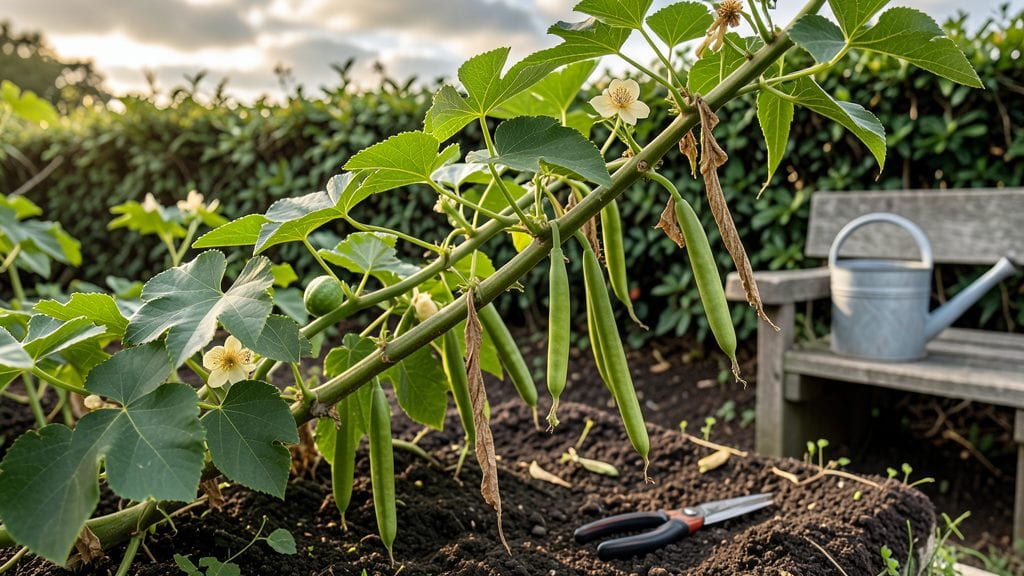
Those passionflower seed pods are nature’s time capsules—packed with potential for vines that climb, bloom, and feed hummingbirds, but only if you crack the germination code. 🌱 I’ve wrestled with them for years, and the difference between a fast sprout and a frustrating wait comes down to how you handle them after harvest.
Most gardeners rush to plant fresh seeds straight from the pod, only to watch them rot or never wake up.
The secret lies in drying the pods completely—let them shatter open naturally under a roof, then scoop out the seeds and let them air-dry for another week. Skipping this step is how I lost my first batch to mold.
Once dry, store them in a paper envelope in your fridge for 2-3 months to mimic winter’s natural stratification. This trick boosts germination rates from hit-or-miss to reliable, even in warm climates where passionflowers thrive.
When you’re ready to plant, sow those seeds just beneath the soil surface—no deeper than ¼ inch—and keep them moist but not soggy.
Within 10-14 days, you’ll see those first green shoots pushing through, a reward for patience that pays off with vines that can grow 10-30 feet in a single season. The key is consistency: too much water drowns them, too little stalls growth.
This method works for Maypop (Passiflora incarnata), Blue Passionflower (P. caerulea), and other hardy species. If you’re in USDA Zones 5-10, you’ll get multiple harvests of those exotic, edible pods—just don’t rush the drying step. Let’s turn those seeds into vines!
📚 In This Guide
- What you need
- Instructions
- Tips and common mistakes
- Wrapping up and next steps
What you need
- ● Passionflower seeds: 10-20 fresh, plump seed pods (harvested from ripe, healthy plants). Store in a cool, dry place until use.
- ● Seed-starting mix: 1-2 gallons of high-quality, sterile potting soil (look for labels like "seed-starting blend" or "cactus/succulent mix" for drainage).
- ● Small pots or trays: 2-4 biodegradable pots (3-4 inches deep) or a seed tray with drainage holes. Reusable plastic or peat pots work too!
- ● Spray bottle: 8-16 oz with a fine mist nozzle (for gentle watering).
- ● Clear plastic wrap or dome: 1 sheet (to create a mini greenhouse effect).
- ● Grow lights or sunny windowsill: Access to bright, indirect light (6+ hours/day). A 10-20W LED grow bulb works if natural light is limited.
- ● Labels & markers: Small tags + waterproof marker (to track planting dates).
- ● Scissors or pruners: For carefully opening seed pods (sterilize with rubbing alcohol first!).
- ○ Fungicide (optional): 1 tsp of cinnamon or a diluted hydrogen peroxide solution (3%) to prevent mold in damp soil.
- ○ Heating mat (optional): A small seedling heat mat (50-70°F range) to speed up germination in cooler climates.
- ○ Humidity dome (optional): A clear plastic clamshell lid for trays to retain moisture.
- ● Fertilizer (post-germination): Balanced liquid fertilizer (5-5-5 or 10-10-10) diluted to half-strength once seedlings sprout.
Step-by-step instructions for germinating passionflower seed pods
Here's how to coax those stubborn pods into fast, reliable sprouts.
🌱 Step 1: Harvest and Prepare the Seed Pods
Collect fully ripe passionflower pods when they turn brown and begin splitting open on their own. The seeds inside should be dark brown with a papery outer coating—this is your signal they're ready. Remove the seeds carefully, as they're delicate and can shatter if handled roughly.
Soak the seeds in warm water for 24 hours before planting. This softens the tough outer coating and speeds up germination. I like to use a small glass jar with just enough water to cover the seeds completely. Swirl it gently every few hours to prevent them from sticking together.
Here's the thing—passionflower seeds have a natural dormancy period. Without this soaking step, they might take 4-6 weeks to sprout. With it, you'll see those first green shoots in 7-14 days. Don't skip this (I learned the hard way).
💧 Step 2: Plant Seeds in Moist, Well-Draining Medium
Fill small 2-3 inch deep pots with a mix of 50% peat moss and 50% perlite—this gives you the perfect balance of moisture retention and aeration. Passionflower roots need air to breathe, and compacted soil will smother them. Press the mix down lightly to remove air pockets, then moisten it until it's damp but not soggy.
Plant the seeds ¼ inch deep, spacing them 1 inch apart in the pot. You'll notice the seeds are flat and winged—place them with the flat side down for best results. Cover them lightly with a sprinkle of the same mix, just enough to obscure them from view. Water gently with a spray bottle until the surface looks evenly moist.
Don't overwater now. Damping-off will wipe out seedlings overnight if the soil stays too wet. You'll know moisture is right when the soil surface looks slightly damp but not glistening. A clear humidity dome helps maintain even moisture without drowning the seeds.
☀️ Step 3: Provide Warmth and Indirect Light
Passionflower seeds germinate fastest at 75-80°F. Place the pots in a warm spot—on top of the fridge, near a heat vent, or on a seedling heat mat set to 70°F. If your home runs cooler, germination could take a few extra days. Patience is key here; don't move the pots until you see the first signs of sprouting.
Once the seeds sprout, move them to bright, indirect light immediately. A south-facing window works well, but avoid direct midday sun, which can scorch the delicate seedlings. You'll see leggy growth if the light is too weak—thin, pale stems with leaves spaced far apart. Strong seedlings have thick stems and deep green color, with leaves close together.
Here's where it gets fun—watch the cotyledons pop through the soil after a few days. These first leaves are heart-shaped and signal that the seedling is photosynthesizing on its own. When you see first true leaves (the second set, which look more like adult passionflower foliage), it's time to think about transplanting.
⏰ Step 4: Thin and Transplant Seedlings
When seedlings reach 2-3 inches tall and have 3-4 true leaves, it's time to thin them. Use small scissors to snip the weakest seedlings at soil level, leaving the strongest one in each pot. This prevents overcrowding, which leads to leggy, weak plants. You'll have about 4 healthy seedlings ready for their next phase.
Transplant into 4-inch pots filled with a mix of potting soil and compost. Handle the seedlings by their leaves, never the stems, to avoid damaging the delicate roots. Water them deeply after transplanting to settle the soil around the roots. Keep them in bright, indirect light for another 2-3 weeks before gradually introducing them to morning sun.
Real talk: Passionflower seedlings are finicky. If a leaf yellows, don't panic—it usually just needs more light. But if the stem turns black or mushy, you've overwatered. Let the top inch of soil dry out between waterings, and you'll avoid this common pitfall.
Tips & tricks for perfect passionflower seed germination
Here's what nobody tells you about transforming those stubborn pods into thriving sprouts.
The Soaking Secret: That 24-hour soak isn't just about softening the papery coating—it's breaking the seed's natural dormancy. I've found that adding 1 teaspoon of hydrogen peroxide (3%) to the water for the final 10 minutes of soaking helps prevent fungal issues. The seeds will look slightly translucent when ready, and they should sink to the bottom of your jar rather than float. This is your signal they're primed for planting.
Medium Matters: The 50% peat moss/50% perlite mix is crucial, but here's the detail most people miss: sterilize your growing medium first. Spread it on a baking sheet and bake at 200°F for 30 minutes to kill any pathogens. Passionflower seedlings are particularly vulnerable to damping-off disease, and this simple step has saved me from losing entire batches. After sterilizing, let the mix cool completely before using.
Lighting Strategy: When moving seedlings to bright, indirect light after sprouting, position them about 6-8 inches from the window. Too close and you risk scorching; too far and they'll stretch toward the light. I use a small clip-on LED grow light on a timer for 12 hours daily to supplement natural light, especially in cloudy weather. This creates consistent growth without the risk of sunburn.
Transplanting Technique: When thinning seedlings in Step 4, here's my pro move: use a sterilized razor blade instead of scissors to make clean cuts at soil level. This prevents spreading disease between plants. For transplanting, make sure your 4-inch pots have drainage holes—passionflower roots are sensitive to waterlogging. I also add a handful of orchid bark to the potting mix for extra aeration during this critical phase.
Pro Tips for Passionflower Seed Pods
- Here's what nobody tells you about transforming those stubborn pods into thriving sprouts.
- The Soaking Secret: That 24-hour soak isn't just about softening the papery coating—it's breaking the seed's natural dormancy.
- Medium Matters: The 50% peat moss/50% perlite mix is crucial, but here's the detail most people miss: sterilize your growing medium first.
Frequently asked questions
Got questions about growing passionflower seed pods? You’re not alone! Here are some of the most common queries—plus quick, actionable answers to help you succeed.
How long does it take for passionflower seed pods to germinate?
Germination can take anywhere from 10 to 30 days, depending on conditions like soil warmth (ideal: 70–85°F) and moisture. Pre-soaking seeds for 24 hours in warm water can speed things up! Patience is key—some seeds may take longer, especially if stored improperly.
Can I plant passionflower seed pods directly in cold soil?
Nope! Passionflower seeds hate cold soil—they won’t sprout until temperatures rise above 60°F. Start indoors 6–8 weeks before your last frost, or wait until spring to direct-sow. A mini greenhouse or row cover can give them a cozy head start if you’re eager to plant early!
What’s the best soil mix for passionflower seed pods?
Use a well-draining, lightweight mix like 50% potting soil + 50% perlite or coconut coir. Passionflowers dislike soggy roots, so avoid heavy clay. A slightly acidic to neutral pH (6.0–7.0) works best. Pro tip: Add a handful of compost for nutrients without compacting the soil.
Why aren’t my passionflower seeds sprouting? Troubleshooting tips.
Too cold?
Move pots to a warmer spot (like near a sunny window or under grow lights).
Dry soil?
Keep the soil consistently moist (not waterlogged) by misting daily or using a humidity dome.
Old seeds?
Passionflower seeds lose viability after 1–2 years. Test a few in warm water—if they sink, they’re likely still good!
No light?
Seeds need bright, indirect light (or 12–14 hours of grow light) to germinate.
Can I grow passionflower from store-bought pods? Do they need scarification?
Yes! Store-bought pods work, but their hard outer shell may slow germination. Scarify seeds by gently nicking the outer layer with sandpaper or soaking in warm water for 48 hours to soften it. This mimics natural weathering and tricks seeds into sprouting faster. Skip this step if you’re patient—or if you’ve pre-soaked them!
Wrapping up and next steps
Growing passionflower seed pods from scratch is a rewarding journey that blends patience with a touch of green-thumb magic! 🌱 Whether you’re aiming for a vibrant garden or a sustainable harvest, mastering the germination secrets—like proper soaking, temperature control, and gentle handling—sets you up for success.
With the right approach, you’ll soon be watching those delicate sprouts push through the soil, ready to thrive.
Now that you’re armed with the know-how, why not take the next step? Start by gathering your supplies, follow the steps with confidence, and soon you’ll be enjoying the beauty (and benefits!) of passionflower in your outdoor space. Happy gardening—your future plants are counting on you! 🌿✨