
Pruning
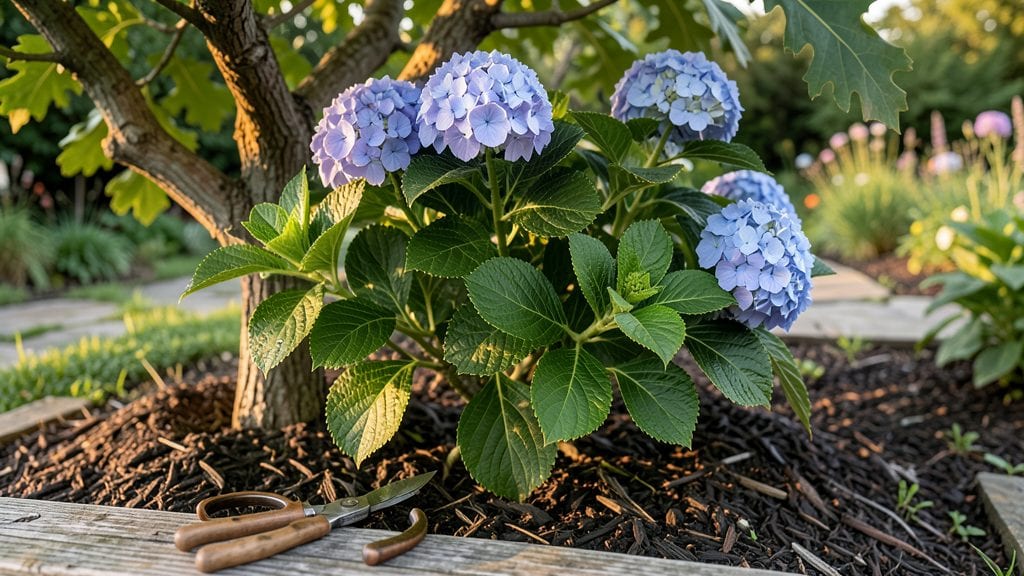
Pruning hydrangea flowers isn’t just about trimming back—it’s the secret to those showstopping blooms that make your garden the envy of the neighborhood.
I’ve pruned hydrangeas for over a decade, and the difference between a sparse, leggy bush and a lush, flower-covered powerhouse comes down to when and how you cut. The wrong timing can leave you with bare stems for a season, while the right approach transforms your plants into year-after-year superstars.
Most gardeners mess this up by pruning at the wrong time, but hydrangeas fall into two clear camps: those that bloom on old wood (like mopheads) and those that bloom on new wood (like panicles).
Old-wood types need their cuts in late winter or early spring, while new-wood types can wait until spring or even summer. Grab sharp pruners, gloves, and a bucket for clippings—then follow the variety-specific rules to avoid the most common mistakes, like over-pruning or cutting back too late.
When done right, proper pruning delivers bigger, more abundant blooms and prevents those woody stems from taking over. You’ll see fresh, vibrant growth within weeks, and your hydrangeas will reward you with voluminous clusters that last from summer through fall.
The key is patience—don’t rush the process, and always prune with purpose. Ready to turn your hydrangeas into the centerpiece of your garden?
This method works for all hydrangea types, whether you’re dealing with a towering panicle hydrangea or a compact mophead variety. The principles stay the same, but the timing shifts slightly—so let’s get into the details to make sure your cuts set your plants up for success.
Once you master it, you’ll never look at a hydrangea the same way again.
📚 In This Guide
- What you need
- Instructions
- Tips and common mistakes
- Wrapping up and next steps
What you need
- ● Bypass pruners: Sharp, clean pruners with 4- to 6-inch blades for precise cuts. (Avoid anvil pruners—they crush stems!)
- ● Loppers: For thicker stems (½-inch or larger), opt for bypass loppers with 8- to 10-inch handles for leverage.
- ○ Hand pruners (optional but helpful): Smaller, 3-inch blades for delicate trimming.
- ● Garden gloves: Heavy-duty, cut-resistant gloves (e.g., Filson or Fellex) to protect your hands from thorns and sharp stems.
- ● Disinfectant (70% isopropyl alcohol or bleach solution): 1 part bleach to 9 parts water to sterilize tools between cuts and prevent disease.
- ● Rubbing alcohol or hand sanitizer: For cleaning your hands after pruning.
- ● Garden twine or plant ties: 3-4 feet of twine to secure stems if needed (e.g., for large hydrangeas like H. paniculata).
- ● Garden hose or bucket of water: To rinse off tools and stems post-pruning.
- ● Pruning saw: For very thick stems (1+ inch)—look for a curved blade for cleaner cuts.
- ● Ladder or step stool: If your hydrangea is 6+ feet tall, a stable, 4-legged ladder is a must for safety.
- ● Marking spray or paint: Bright-colored spray (e.g., pink or yellow) to mark stems you’ve already pruned.
- ● Compost bin or bag: To collect pruned branches for mulch or disposal.
- ● Pruning shears with a bypass blade: If you prefer a single tool for all cuts (though loppers are better for thick stems).
Step-by-step guide to pruning hydrangeas for lush, flower-filled shrubs
Mastering the art of hydrangea pruning transforms a tangle of branches into a thriving, bloom-heavy beauty.
Identify Your Hydrangea Type and Bloom Cycle
Hydrangeas fall into two main categories: those that bloom on old wood (like the classic bigleaf hydrangea) and those that bloom on new wood (such as panicle or smooth hydrangeas). Old-wood bloomers produce buds in late summer or fall, so pruning too early removes next year's flowers. New-wood bloomers set buds in spring, making them more forgiving for late-winter cuts.
Examine your plant closely. If you see flower buds forming on last year's stems in late summer, it's an old-wood type. If it flowers on fresh growth from this year, it's a new-wood variety. This distinction is your first pruning guide—getting it wrong means sacrificing blooms. I always check for buds in September to confirm before making any cuts.
Time Your Prune Based on Bloom Type and Season
For old-wood hydrangeas, prune immediately after flowering in late spring or early summer. This allows you to shape the plant while leaving next year's buds intact. Wait until you've seen all the blooms fade completely—this usually happens by June or July in most climates. If you prune too early, you risk cutting off next year's flower buds before they form.
For new-wood hydrangeas, prune in late winter or early spring, just as new growth begins. This is when the plant is still dormant but about to wake up. I like to prune mine in February or March, before the first signs of leaf buds appear. The goal is to remove dead or weak stems and encourage fresh, vigorous growth that will produce flowers.
Cut Back Strategically to Encourage Fullness and Airflow
Start by removing any dead, diseased, or crossing branches first. These compete for energy and reduce airflow, which can lead to fungal issues. Use clean, sharp pruning shears to make cuts just above a bud or leaf node. Angle the cut slightly downward to prevent water from pooling and rotting the stem.
For old-wood hydrangeas, cut back one-third to one-half of the oldest stems to their base. This rejuvenates the plant and encourages new growth. For new-wood types, prune back to 4-6 inches above the ground or to a strong outward-facing bud. Avoid cutting into the center of the plant—this creates a dense, shaded interior that discourages blooming.
Shape and Maintain for Long-Term Health
Step back and assess the plant's shape. Hydrangeas respond well to open, rounded forms that allow sunlight to reach all branches. Trim any stems that grow inward or crowd the center. This not only improves airflow but also ensures even blooming across the plant. I like to visualize the plant as a rounded dome—this is the natural shape hydrangeas thrive in.
After pruning, apply a balanced, slow-release fertilizer to support new growth. Water deeply to help the plant recover and establish roots. Avoid heavy pruning in the fall, as this can stimulate tender new growth that won't survive winter. Instead, focus on light shaping and cleanup after the first frost.
Tips & tricks for perfect hydrangea pruning
Here's what I've learned after years of trial and error with these stunning shrubs—these tricks will help you avoid common pitfalls and maximize those show-stopping blooms.
Type Identification: I can't stress enough how critical this first step is. If you're unsure whether your hydrangea is old-wood or new-wood, take a close look for flower buds in September. Old-wood types like bigleaf hydrangeas will have buds forming on last year's stems, while new-wood varieties like panicle hydrangeas produce flowers on current season's growth. This distinction determines everything about your pruning timing and technique.
Seasonal Timing Secret: For old-wood varieties, don't even think about pruning until you see those blooms completely fade by June or July. I've made this mistake twice—pruning too early in May and sacrificing next year's flowers. The key is patience: wait until every last bloom has withered before making a single cut. For new-wood types, February or March is your window—prune just as those first leaf buds begin to swell, but before they open.
Cutting Technique: When you're making those strategic cuts, always aim for just above a bud or leaf node. I learned this the hard way when my hydrangea developed unsightly stubs that never grew properly. Angle your cuts slightly downward to prevent water from pooling and rotting the stem. And remember—old-wood types need one-third to one-half of their oldest stems removed to their base, while new-wood varieties respond best to being cut back to 4-6 inches above ground level.
Shape Visualization: Step back frequently during the process and visualize your hydrangea as a rounded dome. This open, airy shape isn't just aesthetically pleasing—it's essential for even sunlight exposure and proper airflow. I've found that trimming inward-growing branches makes a dramatic difference in bloom quality. The goal is to create a plant that looks like it's reaching for the sky rather than growing inward like a tangled mess.
Pro Tips for Prune Hydrangea Flowers
- Here's what I've learned after years of trial and error with these stunning shrubs—these tricks will help you avoid common pitfalls and maximize those show-stopping blooms.
- Type Identification: I can't stress enough how critical this first step is.
- Seasonal Timing Secret: For old-wood varieties, don't even think about pruning until you see those blooms completely fade by June or July.
Frequently asked questions
Got questions about pruning hydrangeas? You’re not alone—these beauties can be tricky! Here are answers to the most common concerns to help you prune like a pro and keep those blooms coming back bigger and brighter.
When is the best time to prune hydrangeas?
The timing depends on your hydrangea type! For mophead and bigleaf varieties (like Hydrangea macrophylla), prune right after they bloom in late spring or early summer. For panicle and oakleaf types, prune in late winter or early spring before new growth starts. Avoid pruning in fall—it can stimulate tender growth that won’t survive winter.
Do I cut back hydrangeas all the way to the ground?
Not usually! Only panicle and oakleaf hydrangeas benefit from hard pruning (cutting back by 1/3 to 1/2). For mophead and bigleaf types, trim just the dead or faded blooms—never cut into old wood, or you’ll lose next year’s flowers. Think of it like giving them a haircut, not a buzz cut!
Why did my hydrangeas stop blooming after pruning?
Over-pruning is the #1 culprit! If you cut back mophead or bigleaf hydrangeas too aggressively, you’re removing next year’s flower buds (which form on old wood). For these types, only trim spent blooms. Panicle hydrangeas (like Limelight) bloom on new wood, so they’re more forgiving—just avoid drastic cuts.
Can I prune hydrangeas in fall?
It’s not recommended for most types. Fall pruning can stimulate new growth that’s vulnerable to frost damage. The exception? Oakleaf hydrangeas can handle light shaping in late fall, but skip heavy cuts. Wait until late winter or early spring for the safest results.
What if I accidentally pruned my hydrangeas at the wrong time?
Don’t panic! If you’ve already pruned too late (e.g., on a mophead type), you might see fewer blooms next year—but the plant will recover. Focus on watering deeply and fertilizing lightly in spring to encourage new growth. For panicle types, new wood bloomers, you’re in the clear—they’ll bounce back with fresh flowers!
Pro Tip:
Label your hydrangeas before pruning! Use stakes or tags to note the type—this saves guesswork and ensures you’re pruning for old wood or new wood bloomers correctly. A little prep now means bigger, happier blooms later!
Wrapping up and next steps
Pruning your hydrangeas might seem intimidating at first, but with the right timing and technique, you’ll unlock stunning, abundant blooms year after year! Remember to prune in late winter or early spring (before new growth appears) for most varieties, and always use clean, sharp tools to avoid damage.
Whether you’re shaping old wood or encouraging fresh growth, a little effort now will pay off with showstopping flowers this season.
Ready to give your hydrangeas the TLC they deserve? Grab your pruners and get started! For extra confidence, snap a photo of your plant before and after pruning—you’ll love tracking its transformation. Happy gardening! 🌸✂️