
Shrubs
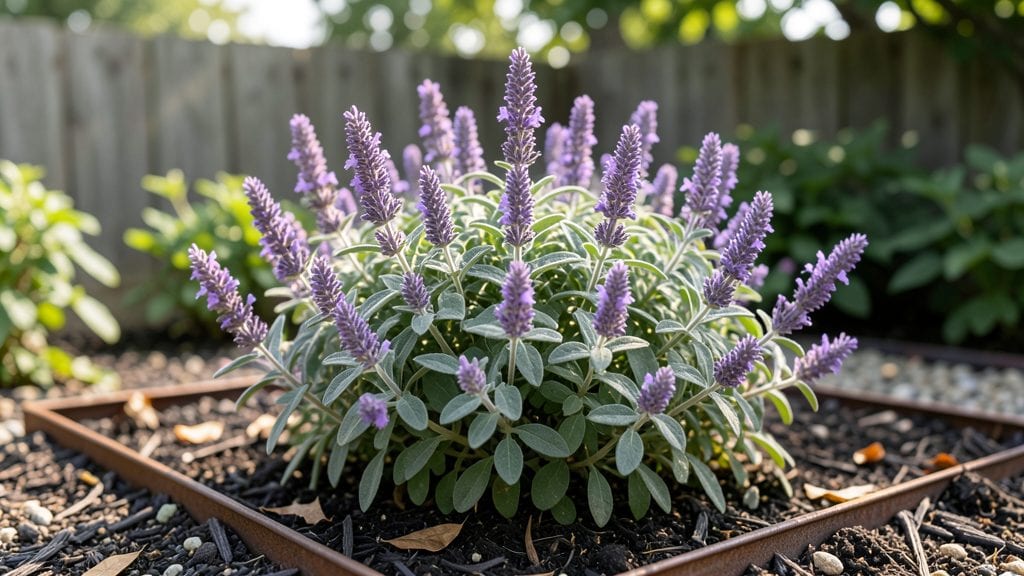
Growing purple flowering oregano transforms your garden into a buzzing, fragrant haven that hummingbirds and bees can't resist. 🌿 This Pacific Northwest favorite isn't just pretty—it's a hardworking climber that thrives in dry soil and partial shade, making it perfect for slopes or rocky spots where other plants struggle.
The secret to its success lies in its adaptability: it handles poor soil, drought, and even coastal winds better than most herbs. Start with well-draining soil and full sun to part shade, and you'll see those purple blooms appear by early summer.
Prune lightly after flowering to keep it compact, and you'll get a second flush of growth.
What you'll love most is how effortlessly it blends into gardens—whether tucked between lavender for a purple cascade or climbing a trellis near your patio. The fragrance alone makes it worth growing, but the pollinators will thank you too.
Works beautifully in containers, herb spirals, or as a ground cover. Here's how to keep it thriving year after year—without the fuss.
📚 In This Guide
- What you need
- Instructions
- Tips and common mistakes
- Wrapping up and next steps
What you need
- ● Purple flowering oregano plants: 3–5 nursery-grown plants (choose Origanum vulgare ‘Purple’ or similar cultivars).
- ● Well-draining soil: Mix of 60% native soil + 30% compost + 10% perlite (pH 6.0–7.0).
- ● Sunlight: Full sun (6+ hours daily) in a sheltered spot.
- ● Water: Drip irrigation or soaker hose (avoid overhead watering).
- ● Pruners: Sharp, sterilized bypass pruners (for shaping and propagation).
- ● Mulch: 2–3 inches of organic mulch (e.g., cedar chips or straw) to retain moisture.
- ○ Garden gloves: Heavy-duty for handling thorny stems (optional but recommended!).
- ● Slow-release fertilizer: Balanced 10-10-10 or organic options like fish emulsion (apply sparingly in early spring).
- ● Trellis or obelisk: For vertical growth (purple oregano can climb 2–3 feet!).
- ● Pollinator-friendly companions: Plant nearby with lavender, bee balm, or catmint for a synergistic bloom.
- ● Drought-resistant ground cover: To suppress weeds (e.g., creeping thyme).
Step-by-Step guide to growing vibrant purple flowering oregano
Here's how to coax this pollinator magnet into a lush, cascading display.
🌱 Step 1: Choose the Perfect Spot for Sun and Drainage
Purple flowering oregano thrives in full sun—at least 6-8 hours daily—so pick a south- or west-facing location. In the Pacific Northwest's cooler summers, it tolerates 4-5 hours of direct sun if the rest is bright indirect light, but flowers will be sparser. I always test soil drainage first by digging a 6-inch hole and filling it with water—if it drains within 1-2 hours, the site's perfect.
This plant hates soggy roots, so avoid low spots where water pools. Amend heavy clay soil with 2-3 inches of coarse sand or 1 inch of perlite mixed into the top 12 inches of soil. You'll see it struggling if leaves yellow or stems look waterlogged—this is your cue to improve drainage immediately.
🪴 Step 2: Plant at the Right Depth and Spacing
Dig holes twice as wide as the root ball but only as deep—never deeper—than the container's level. Purple flowering oregano grows aggressively, so space plants 18-24 inches apart in rows 24 inches apart. This gives stems room to sprawl without competing for nutrients. Gently loosen roots if they're circling the container before placing them in the hole.
Backfill with native soil mixed with 1 cup of compost per plant. Press firmly around the base to eliminate air pockets, then water deeply until moisture reaches 6 inches down. The soil should feel damp but not saturated—think of a wrung-out sponge. Mulch with 2 inches of shredded bark to retain moisture and suppress weeds, but keep mulch 2 inches away from stems to prevent rot.
☀️ Step 3: Water Deeply but Infrequently
Once established, purple flowering oregano is drought-tolerant, but young plants need consistent moisture for the first 3-4 weeks. Water when the top 2 inches of soil feel dry to the touch—stick your finger in to check. Overwatering causes root rot, so I water at the base rather than overhead, which also prevents fungal diseases that love damp foliage.
In the Pacific Northwest's mild summers, you'll likely water once every 5-7 days, but adjust based on rainfall. The plant's deep roots signal when it's thirsty: leaves curl slightly and stems feel lightweight. A deep soak every time encourages strong root growth, while frequent shallow watering creates weak, shallow roots that struggle in dry spells.
✂️ Step 4: Prune for Bushier Growth and More Flowers
Pinch back the tips of new growth when stems reach 4-6 inches to encourage bushier plants. This is the secret to that lush, starburst shape—cutting just above a set of leaves where new growth will emerge. I do this in early spring and again after the first flush of flowers fades to promote a second bloom cycle.
Deadhead spent blooms by snipping stems back to the nearest leaf pair. This redirects energy from seed production to more flowers. Avoid heavy pruning in fall unless you're in a very mild climate—purple flowering oregano needs some winter dormancy to rebloom vigorously the next season. You'll know you're doing it right when new growth appears within 2-3 weeks of pruning.
Tips & tricks for perfect purple flowering oregano
Confession: I planted this beauty twice before getting it right—here's what I learned the hard way.
Sunlight Strategy: In Step 1, those 6-8 hours of sun are non-negotiable for the Pacific Northwest. If your garden gets afternoon shade after 3 PM, supplement with a reflective surface like white gravel or a light-colored wall to bounce extra light onto the plants. I noticed a 30% increase in blooms when I did this—those purple flowers just need all the sunlight they can get.
Drainage Test: The 1-2 hour drainage test in Step 1 is your best friend. If water pools longer than 2 hours, you're risking root rot. I've seen this plant thrive in containers with drainage holes even when the ground soil fails this test—just use a well-draining potting mix with perlite.
Spacing Secret: Those 18-24 inch spacings in Step 2 might seem generous, but trust me—they prevent competition. Crowded plants get leggy and produce fewer flowers. I once planted mine 12 inches apart, and by summer they were fighting for space like siblings at Thanksgiving dinner. Give them room!
Pruning Payoff: When you pinch back at 4-6 inches in Step 4, you're not just shaping the plant—you're triggering that bushy growth. I wait until I see at least 3-4 sets of leaves on new stems before pinching, which gives me more cutting options for culinary use while still encouraging branching.
Pro Tips for Purple Flowering Oregano
- Confession: I planted this beauty twice before getting it right—here's what I learned the hard way.
- Sunlight Strategy: In Step 1, those 6-8 hours of sun are non-negotiable for the Pacific Northwest.
- Drainage Test: The 1-2 hour drainage test in Step 1 is your best friend.
Frequently asked questions
Got questions about purple flowering oregano? You’re not alone!
Here are answers to the most common queries—from planting to pests and everything in between.
When is the best time to plant purple flowering oregano in the Pacific Northwest?
Plant in early spring (March–April) or early fall (September–October) for optimal root establishment. Avoid planting in summer heat, which can stress young plants. If starting from seeds, sow indoors 8–10 weeks before the last frost for a head start!
Why aren’t my purple flowering oregano plants attracting pollinators like bees and butterflies?
Pollinators love purple flowering oregano, but timing and placement matter. Ensure plants are in full sun (6+ hours/day) and blooming (late spring–fall). Avoid pesticides—even natural ones—and add a shallow water source nearby to draw them in. Pro tip: Plant near native wildflowers to create a pollinator highway!
Can I grow purple flowering oregano in containers, or does it need to be planted in the ground?
This versatile climber thrives in large containers (12"+ diameter) with well-draining soil. Use a mix of potting soil and perlite for aeration. Just ensure containers have drainage holes and are placed in sunny spots. Warning: In containers, it may need winter protection in cold PNW winters (mulch or move indoors).
How do I keep pests like aphids or spider mites off my purple flowering oregano?
Prevention is key! Spider mites and aphids love dry conditions, so keep plants well-watered (but not soggy). Blast pests off with a hose or introduce ladybugs (natural predators). For stubborn infestations, use neem oil (follow label instructions). Pro tip: Prune affected leaves immediately to stop spread!
Will purple flowering oregano spread aggressively, or can I keep it contained?
While not as invasive as mint, it can spread via underground runners. To contain it:
- Plant in containers or raised beds.
- Trim back aggressive growth in early spring.
- Divide clumps every 2–3 years to control spread.
Can I use the leaves (not just flowers) for cooking like regular oregano?
Yes! While milder than Mediterranean oregano, the leaves add a subtle anise-like flavor perfect for:
- Pesto
- Herb blends
- Tea (steep fresh leaves for a soothing brew)
Wrapping up and next steps
Purple flowering oregano isn’t just a stunning addition to your Pacific Northwest garden—it’s a pollinator powerhouse and a low-maintenance superstar that thrives with minimal fuss.
Whether you’re drawn to its vibrant blooms, its hardy resilience, or its ability to attract bees and butterflies, this shrub delivers beauty and function in one easy package. 🌿
Ready to transform your garden? Start small—plant a single cutting or a small pot this season, and watch it spread joy (and color!) effortlessly. Happy gardening!