
Pruning
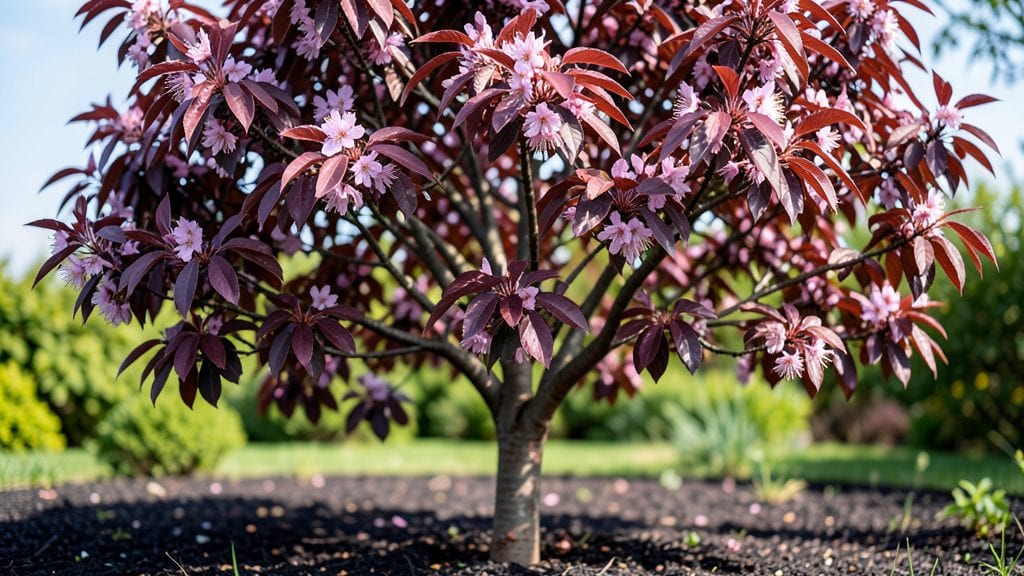
The Purple Pony flowering plum tree turns spring into a purple explosion of fragrance that stops neighbors in their tracks. 🌸 I planted mine near my front walkway, and now every March, the scent of its blossoms drifts through open windows—like nature’s own perfume counter.
This isn’t just a tree; it’s a year-round showstopper with peeling bark in winter, glossy foliage in summer, and fiery fall colors that outshine most maples.
What makes it perfect for Pacific Northwest gardens? Its compact size (15–20 feet tall) fits urban yards, cottage gardens, or even large containers. Unlike its sprawling cousins, it doesn’t need acres—just well-drained soil and full sun to reward you with 3-inch-wide flowers that look like they’re dusted with powdered sugar.
Pair it with hellebores for early spring color or boxwoods for structured contrast, and you’ve got a low-maintenance focal point that steals the show.
Imagine this: your guests arrive to find the tree in full bloom, its branches heavy with lavender-purple flowers that hum with bees. Later, the deep red fruit (edible for birds, not people) adds winter interest, while the exfoliating bark gives texture in gray months.
It’s the kind of tree that makes your garden feel like a designer’s secret—easy to grow, impossible to ignore.
Best of all? It thrives in zones 5–8, handles our wet winters, and even tolerates urban pollution better than many ornamentals. Whether you’re designing a modern courtyard or a rustic cottage border, this plum delivers drama without the fuss.
Ready to make your garden the envy of the block?
📚 In This Guide
- What you need
- Instructions
- Tips and common mistakes
- Wrapping up and next steps
What you need
- ● Pruning shears: Bypass pruners (sharp, clean, and bypass-style for clean cuts—avoid anvil pruners!)
- ● Loppers: 16- to 20-inch (for thicker branches, ½" to 1" in diameter).
- ● Pruning saw: Curved-tooth (for branches too thick for loppers, up to 3" in diameter).
- ● Gloves: Heavy-duty, cut-resistant (thorns on plum trees are no joke!).
- ● Disinfectant: 70% isopropyl alcohol or a pruning sealant (to prevent disease spread).
- ● Ladder: Sturdy, extendable (if your tree is over 6 feet tall—safety first!)
- ○ Pruning paint or wound dressing: Optional but helpful for sealing large cuts (use sparingly!).
- ● Timing: Prune in late winter to early spring (before buds swell) or summer (after flowering, to avoid cutting off next year’s blooms).
- ● Weather: Choose a dry, overcast day (wet tools can spread bacteria!).
- ● Tree health check: Inspect for dead, diseased, or crossing branches before you start.
- ● Cleanup supplies: Bucket, trash bag, and rags (for debris and tool cleaning).
- ● 🔥 Sharpen your tools! Dull blades tear bark—always hone shears/saws before pruning.
- ● ✨ One cut at a time: Make cuts just outside the branch collar (the swollen area where the branch meets the trunk).
- ● 🌡️ Avoid over-pruning! Remove no more than 25% of the tree’s canopy in one session.
Step-by-step guide to planting and caring for a Purple Pony flowering plum tree
This stunning Pacific Northwest favorite thrives with the right timing and attention. Here's how to set it up for decades of blooms.
🪴 Step 1: Choose the Perfect Planting Location
Select a spot with full sun exposure (6-8 hours daily)—the Purple Pony's vibrant blooms demand it. In the Pacific Northwest's cooler climate, slightly sheltered locations (like near a south-facing wall) protect against harsh winds while still allowing maximum light penetration.
Here's the thing—this tree loves well-draining soil but won't tolerate soggy roots. If your yard has heavy clay, amend with 3-4 inches of compost mixed into the top 12 inches of soil. The tree's roots will thank you with vigorous growth and spectacular spring displays.
🌱 Step 2: Plant at the Right Time and Depth
Plant your Purple Pony in early spring or fall when temperatures are mild—50-70°F works perfectly. The tree establishes roots best during these transitional seasons. Dig a hole twice as wide as the root ball but only as deep as the container it came in.
Gently remove the tree from its container and loosen any circling roots with your fingers. Place it in the hole so the top of the root ball sits 1-2 inches above ground level. This prevents water from pooling around the trunk. Backfill with native soil, tamping lightly as you go to eliminate air pockets.
💧 Step 3: Water Deeply and Establish a Care Routine
Water immediately after planting to settle the soil around roots—give it 1-2 gallons depending on tree size. The first year is critical: water deeply once a week during dry spells, ensuring moisture reaches 12 inches down. You'll know you've watered enough when the soil feels damp but not saturated.
Real talk: Overwatering is the biggest mistake new owners make. The Purple Pony's roots need time to establish before they can handle consistent moisture. After the first year, the tree becomes remarkably drought-tolerant—just 2-3 deep waterings per month in normal rainfall conditions will keep it thriving.
☀️ Step 4: Prune for Health and Spectacular Blooms
Prune your Purple Pony in late winter or early spring before new growth begins. Remove any dead, diseased, or crossing branches first—this keeps air circulating and prevents fungal issues. Then, shape the tree by cutting back 1/3 of the oldest branches to encourage new growth and more abundant blooms.
This is the moment that matters: Always prune just above a outward-facing bud. You'll see new shoots emerge from these buds, creating a fuller, more dramatic tree structure. Avoid heavy pruning after June 1st—new growth won't harden off before winter in the Pacific Northwest.
⏰ Step 5: Prepare for Seasonal Care and Long-Term Beauty
In early spring, apply a 2-3 inch layer of mulch around the base (keeping it 6 inches away from the trunk) to protect roots and retain moisture. The Purple Pony's fragrant blooms appear in late winter to early spring, often before leaves emerge—plan to enjoy this show every year.
Fertilize lightly in early spring with a balanced 10-10-10 formula (about ½ cup per year of tree maturity). The Purple Pony isn't a heavy feeder, but this small boost encourages vibrant blooms and healthy foliage. Watch for signs of stress—yellowing leaves usually mean it's time to check your watering schedule or soil drainage.
Tips & tricks for perfect Purple Pony flowering plum tree planting
These key strategies will help you set up your Purple Pony for decades of spectacular blooms—without the common pitfalls that trip up new gardeners.
Sunlight Strategy: While 6-8 hours of direct sun is ideal, the Pacific Northwest's cloud cover means you might need to supplement. If your location gets less than 6 hours of true sunlight, consider planting near a reflective surface like a light-colored wall or patio that bounces extra light onto the tree. This can make a noticeable difference in bloom intensity, especially in shaded yards.
Soil Preparation Hack: When amending heavy clay soil with the recommended 3-4 inches of compost, I like to mix in a handful of perlite or coarse sand for every 12 inches of soil. This creates tiny air pockets that improve drainage while still retaining moisture—exactly what Purple Pony roots crave. The tree's root system will establish faster with this extra aeration.
Planting Timing Secret: The 50-70°F temperature range for planting is perfect, but timing is everything. In the Pacific Northwest, aim to plant in early spring (March-April) when soil temperatures consistently stay above 50°F at 4-inch depth. For fall planting, September is ideal—this gives roots time to establish before winter dormancy. Use a soil thermometer to check if you're unsure.
Watering Wisdom: That first year's weekly deep watering is crucial, but here's what nobody tells you: Water in the early morning (between 6-10 AM) to reduce evaporation and fungal risks. The goal is to saturate the soil down to 12 inches—use a moisture meter to verify. In the Pacific Northwest's damp climate, you might need to adjust to every 10 days if rainfall exceeds 1 inch per week.
Pro Tips for Purple Pony Flowering Plum Tree
- These key strategies will help you set up your Purple Pony for decades of spectacular blooms—without the common pitfalls that trip up new gardeners.
- Sunlight Strategy: While 6-8 hours of direct sun is ideal, the Pacific Northwest's cloud cover means you might need to supplement.
- Soil Preparation Hack: When amending heavy clay soil with the recommended 3-4 inches of compost, I like to mix in a handful of perlite or coarse sand for every 12 inches of soil.
Frequently asked questions
Got questions about the Purple Pony flowering plum tree? You’re not alone! Here are answers to the most common queries—from care tips to troubleshooting—to help you keep this PNW showstopper thriving.
When is the best time to plant a Purple Pony flowering plum tree?
Plant your Prunus cerasifera 'Purple Pony' in early spring or fall when soil temperatures are mild (50–70°F). Avoid extreme heat or frost—these trees establish roots best in cooler, moist conditions. If planting in summer, water deeply 2–3 times weekly until roots settle (usually 6–8 weeks).
How often should I prune a Purple Pony flowering plum?
Prune once a year, right after flowering (late spring) to shape the tree and remove dead/diseased branches. Avoid heavy pruning—this tree blooms on old wood, so limit cuts to <15% of the canopy per year. Never prune in fall or winter; it risks silver leaf disease (a fungal issue common in plums).
Why aren’t my Purple Pony flowers as vibrant as they should be?
Dull or sparse blooms often signal nutrient deficiencies, over-pruning, or poor sunlight. Try these fixes:
- Fertilize in early spring with a balanced 10-10-10 formula.
- Ensure it gets 6+ hours of sun daily (partial shade is okay but reduces blooms).
- Check for aphids or spider mites—spray with neem oil if pests are present.
Can I grow a Purple Pony flowering plum in a container?
Yes! This compact tree (10–15 ft tall) thrives in large containers (20+ gallons) with well-draining soil. Use a mix of potting soil + perlite and repot every 2–3 years. Winter care is key: Move containers to a sheltered spot or wrap the root ball in burlap to protect from freezing temps.
What pests or diseases should I watch for with a Purple Pony?
Common issues include:
- Aphids: Cluster on new growth; blast off with water or use insecticidal soap.
- Silver leaf fungus: Causes silvery leaves; prune infected branches immediately and avoid fall/winter pruning.
- Plum leaf scorch: Brown edges? Reduce stress by watering deeply 1–2x/week in dry spells.
Pro tip: Monitor leaves regularly—early action keeps your tree’s drama flawless!
Wrapping up and next steps
The Purple Pony flowering plum tree isn’t just a splash of color—it’s a year-round masterpiece that transforms your Pacific Northwest garden into a fragrant, ever-changing canvas. 🌸 From its dramatic winter branches to its showstopping spring blooms, this tree rewards patience and care with unmatched beauty and resilience.
Whether you’re pruning for shape, health, or sheer drama, every snip brings you closer to a thriving, vibrant centerpiece.
Ready to unleash its full potential? Start small—grab your tools, pick a sunny day, and give your Purple Pony the love it deserves. Watch it bloom into your garden’s star!