
Flowers
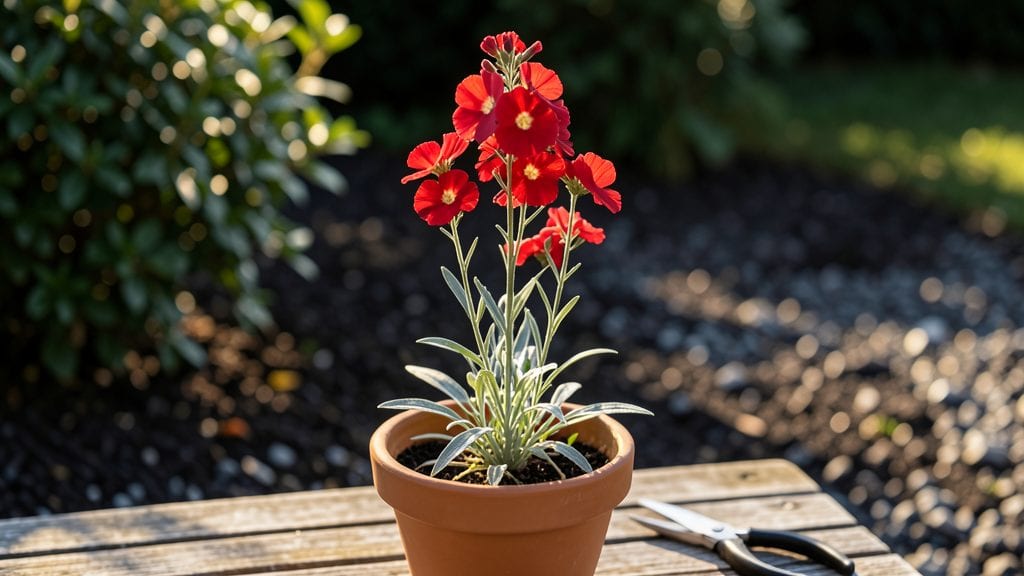
Growing red flax flowers in the Pacific Northwest means welcoming bees, butterflies, and hummingbirds into your garden with striking crimson blooms that outshine their blue cousins. 🌸 I’ve grown flax for years, and the deep red varieties—like ‘Scarlet Flax’ or ‘Red Sunset’—bring a bold, unexpected pop to cottage gardens and pollinator patches that blue flax simply can’t match.
The secret to their success lies in well-drained soil, 6+ hours of sun daily, and consistent moisture—though they’re tough enough to handle the occasional drought once established.
Unlike blue flax, red varieties often grow slightly taller (up to 3 feet) and have a more upright habit, making them perfect for borders or mixed flower beds where their vibrant color will draw the eye.
By mid-summer, you’ll be rewarded with clusters of bright red blooms that last for weeks, attracting pollinators while adding a dramatic focal point to your garden. The plants are also surprisingly low-maintenance, requiring minimal pruning and thriving in both formal and wildflower-style plantings.
Whether you’re planting them in drifts for color or as a pollinator magnet, red flax delivers bold results with minimal effort—just give them space (12–18 inches apart) and watch them transform your garden into a buzzing, blooming haven.
📚 In This Guide
- What you need
- Instructions
- Tips and common mistakes
- Wrapping up and next steps
What you need
- ● Seeds: 1 packet of Linum perenne (red flax) seeds (approx. 50–100 seeds per packet). Look for organic or heirloom varieties for best results!
- ● Growing Location: Full sun (6+ hours daily). Partial shade is tolerable but may reduce blooms.
- ● Well-draining soil (sandy loam or clay-loam works best). Red flax hates soggy roots!
- ○ Compost/Soil Amendment: 1–2 gallons of compost or aged manure to enrich soil (optional but recommended for nutrient boost).
- ● Hand Trowel or Transplant Spade (for digging small holes, ½–1 inch deep).
- ● Watering Can or Hose with Gentle Nozzle (red flax prefers consistent moisture but detests waterlogging).
- ○ Gloves (Optional) – Protect your hands from prickly stems (especially when deadheading!).
- ○ Mulch (Optional) – 1–2 inches of straw or wood chips to retain moisture and suppress weeds.
- ○ Pruners (Optional) – For trimming spent blooms or leggy stems in late summer.
Step-by-Step instructions for cultivating red flax flowers
Here's how to grow these striking Northwest natives with minimal fuss.
🌱 Step 1: Choose the Perfect Planting Spot
Red flax thrives in full sun—at least 6-8 hours daily—and tolerates poor, rocky soil far better than most perennials. In the Pacific Northwest, that means even dry, sandy sites work beautifully. Avoid low spots where water pools; flax roots rot easily when soggy.
I always scout the area first for existing vegetation. If you're planting near established grasses or clover, give flax 12-18 inches of clearance—they'll compete aggressively. The best locations are sunny slopes or open meadows where native pollinators already gather.
🪴 Step 2: Prepare the Soil Minimally
Red flax despises rich, amended soil—too much nitrogen produces weak stems and flops. Simply scratch the surface with a rake or hoe to loosen 2-3 inches of topsoil. If your site is extremely compacted, mix in 10% coarse sand to improve drainage.
Skip fertilizers entirely. Flax has evolved to thrive in nutrient-poor conditions, and extra phosphorus or nitrogen actually reduces flowering. A light raking to remove debris and expose mineral soil is all you need before planting.
☀️ Step 3: Plant Seeds at the Right Time
Sow seeds in late summer to early fall (August-September) for best results. This timing lets them establish roots before winter while avoiding the heat of summer. Scatter seeds ¼ inch deep—they need light to germinate, so don't bury them.
I like to plant in 2-3 inch rows spaced 18 inches apart for easy maintenance. Water gently after sowing to settle seeds, but avoid soaking the soil. Germination takes 2-4 weeks—watch for tiny green rosettes pushing through the soil.
💧 Step 4: Water Lightly and Let Nature Take Over
Once established, red flax is drought-tolerant, but young seedlings need consistent moisture. Water every 5-7 days until plants reach 4-6 inches tall, keeping soil lightly moist but never soggy. After that, water only during prolonged dry spells—overwatering is the fastest way to kill these hardy plants.
You'll know they're thriving when you see the characteristic basal rosette of narrow leaves. These plants store water efficiently, so wilting during dry periods is normal—just a sign they're conserving moisture for survival.
✂️ Step 5: Enjoy and Minimal Maintenance
Red flax requires no pruning or deadheading. In fact, cutting back spent blooms removes next year's seed heads, which feed birds and provide winter interest. The only maintenance needed is removing weeds from around the base in early spring before new growth appears.
After the first year, plants spread via underground rhizomes, creating natural colonies. By year three, you'll have a stunning pollinator magnet that requires absolutely no care. The deep red blooms appear in late spring to early summer, attracting hummingbirds, bees, and butterflies for weeks.
Tips & tricks for perfect red flax flower cultivation
Real talk: These Northwest natives are forgiving, but a few key moves make all the difference between "nice" and "stunning."
Sunlight Strategy: While 6-8 hours of sun is ideal, red flax actually thrives with more—up to 10 hours daily if possible. I've seen the most vibrant blooms in full-sun locations where other plants wilt. If your site gets partial shade, position plants where they'll receive the most direct afternoon sun, which is when they photosynthesize most efficiently.
Soil Secrets: The "scratch the surface" approach in Step 2 works, but here's what nobody tells you—red flax roots love exposed mineral soil. If your garden has a layer of mulch or compost, remove it completely before planting. The plants' natural habitat is disturbed, rocky ground where nutrients are scarce. A light raking to expose bare soil mimics their native conditions perfectly.
Timing Tip: That late summer to early fall planting window is critical, but don't stress about exact dates. Focus instead on soil temperature—aim to plant when the ground is still warm from summer (above 60°F) but nights are cooling. This gives seedlings time to establish before winter. I've had success planting as late as mid-October in mild PNW winters.
Watering Wisdom: The "every 5-7 days" guideline works, but here's how to read your plants: After the initial 4-6 inch growth stage, let the soil dry completely between waterings. Stick your finger an inch into the soil—if it feels dry, it's time to water. The wilting you see during dry periods isn't stress—it's their natural drought-conserving mechanism at work. Only intervene if leaves appear crispy or brown.
Pro Tips for Red Flax Flower
- Real talk: These Northwest natives are forgiving, but a few key moves make all the difference between "nice" and "stunning."
- Sunlight Strategy: While 6-8 hours of sun is ideal, red flax actually thrives with more—up to 10 hours daily if possible.
- Soil Secrets: The "scratch the surface" approach in Step 2 works, but here's what nobody tells you—red flax roots love exposed mineral soil.
Frequently asked questions
Got questions about growing red flax flowers in your Pacific Northwest garden? You’re not alone! Here are some of the most common queries—plus straightforward answers to help you cultivate this vibrant pollinator magnet with confidence.
When is the best time to plant red flax flowers?
Red flax (Linum grandiflorum) thrives when planted in early spring (March–April) or late summer (August–September). In the PNW’s mild climate, avoid planting in mid-summer heat, as seedlings can struggle with drought stress. For best blooms, aim for 6–8 weeks before the first frost.
How long does it take for red flax flowers to bloom?
From seed to first bloom, red flax typically takes 10–12 weeks under ideal conditions. If planted in late summer, expect blooms the following spring. Pro tip: Deadhead spent flowers to encourage continuous blooming throughout the season!
Are red flax flowers really good for pollinators?
Absolutely!
These flowers are a magnet for bees, butterflies, and hummingbirds—especially in early spring when other nectar sources are scarce. Their bright red blooms are easy for pollinators to spot, making them a must-have for native gardens.
Can red flax handle the Pacific Northwest’s rainy weather?
Yes! While red flax prefers well-draining soil, it tolerates moderate moisture—just avoid soggy conditions. In heavy rain, mulch around plants to prevent soil erosion and keep roots stable. Drought tolerance improves once established, but consistent moisture yields the healthiest blooms.
What can I plant alongside red flax flowers?
Red flax pairs beautifully with low-growing perennials like salvia, lavender, or catmint—all of which attract pollinators. For height contrast, try delphiniums or hollyhocks. Just avoid overly competitive plants like aggressive ground covers that may smother seedlings.
Wrapping up and next steps
Growing red flax flowers in the Pacific Northwest isn’t just rewarding—it’s a vibrant celebration of resilience and beauty! 🌸 With the right soil, sunlight, and a little patience, you’ll transform your garden into a buzzing haven for pollinators.
Whether you’re drawn to their striking blooms or their low-maintenance charm, these flowers are a fantastic addition to any outdoor space.
Ready to take the next step? Start small—plant a few seeds or seedlings this season—and watch your garden thrive! Share your progress or ask questions in gardening communities for extra tips. Happy growing! 🌱