
Light Requirements
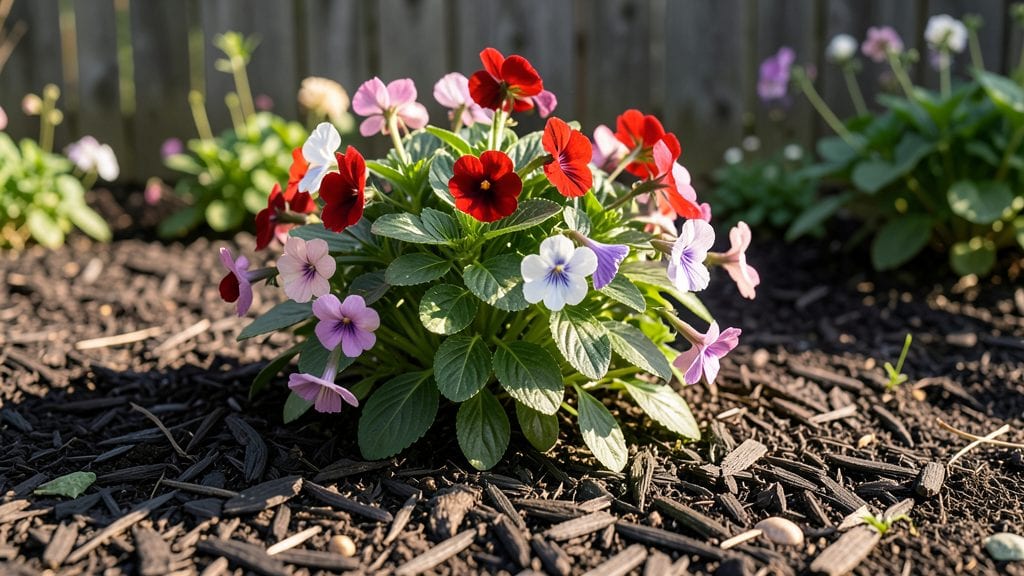
Shade-loving summer flowers can turn your darkest corner into a vibrant oasis—no sun required. 🌿 I’ve turned my shady patio into a riot of color using plants that would wilt in full sun, and the secret isn’t complicated: pick the right varieties and give them consistent moisture.
The payoff? Flowers that bloom from June through September without begging for sunlight.
Think beyond impatiens—hostas, astilbes, and ferns create lush textures, while coleus and begonias deliver bold foliage and delicate blooms. Most thrive in 4-6 hours of dappled light, and their roots stay cooler, so they handle summer heat better than sun-lovers.
The key is keeping soil moist (not soggy) and mulching to protect roots from temperature swings.
By midsummer, you’ll have a garden that feels alive with jewel-toned blooms and glossy leaves. The fragrance of sweet alyssum or the velvety touch of lamb’s ear becomes the highlight of any shady afternoon. These plants also attract pollinators, so your garden stays buzzing even when others fade.
Works for containers, borders, or woodland gardens—just adjust watering based on your region’s humidity. Let’s bring that shade garden to life!
📚 In This Guide
- What you need
- Instructions
- Tips and common mistakes
- Wrapping up and next steps
What you need
- ● Shade-tolerant flower plants: 5–10 plants (e.g., Impatiens, Begonias, Coleus, Astilbe, or Hosta). Choose varieties labeled for partial to full shade.
- ● High-quality potting mix: 1–2 bags (look for moisture-retentive, well-draining blends like miracle-gro potting mix or black gold natural & organic).
- ● Containers or garden bed: Containers: 6–12-inch pots (1–2 per plant) with drainage holes.
- ● Garden beds: Pre-dug, well-amended soil (6–12 inches deep).
- ● Slow-release fertilizer: 1–2 tablets or granules (e.g., Osmocote or Miracle-Gro Shake ‘n Feed) for nutrients.
- ● Mulch: 2–3 inches of organic mulch (e.g., shredded bark or pine straw) to retain moisture.
- ● Gloves & knee pads (for comfort during planting).
- ● Trowel or hand shovel (for digging and transplanting).
- ● Watering can or hose with a gentle spray nozzle (avoid over-saturating shade plants).
- ● Pruners or scissors (for trimming dead foliage or shaping plants).
- ○ Optional: Plant markers (to label varieties).
- ● Shade cloth (if your area gets partial sun and you want extra protection).
- ● Decorative stones or pebbles (for container drainage and aesthetics).
Step-by-step guide to planting shade-loving summer flowers
Here’s how to create vibrant shade gardens that burst with color—no sun required.
🌱 Step 1: Choose the Right Flowers for Your Shade Level
Not all shade is equal, so pick plants that match your light conditions. Deep shade (less than 3 hours of light) thrives with impatiens, ferns, and hellebores, while partial shade (3-6 hours of light) loves hostas, astilbes, and bleeding hearts. I always check the plant tags for light requirements—this prevents disappointment later.
For bold summer blooms, focus on coleus, begonias, and impatiens—they pack vibrant colors without needing full sun. Group plants with similar light needs together in your garden beds. This keeps your shade garden cohesive and thriving.
🪴 Step 2: Prepare the Soil for Shade-Loving Plants
Shade gardens often have moist, dense soil that needs amending. Mix 2-3 inches of compost into the top 6-8 inches of soil to improve drainage and fertility. I like to add a handful of perlite or sand if the soil feels heavy when squeezed—this prevents waterlogging, which can rot roots.
Test the soil’s moisture by digging down 2 inches. If it stays damp for more than a day, your soil drains poorly. In that case, raise beds slightly or plant in containers with drainage holes. Shade plants hate soggy feet!
☀️ Step 3: Plant at the Correct Depth and Spacing
Dig holes twice as wide as the root ball but only as deep as the container. This encourages roots to spread outward instead of sinking deeper. Gently loosen the roots if they’re circling—this helps them establish faster in the garden.
Space plants based on their mature size. Impatiens can crowd at 6 inches apart, while hostas need 2-3 feet to spread. Overcrowding leads to weak stems and fewer blooms. I always sketch a rough layout first to visualize the garden’s flow.
💧 Step 4: Water Deeply and Keep Soil Evenly Moist
Shade plants rely on consistent moisture, so water 1-2 inches per week, more if your area is hot or dry. Water in the morning to reduce fungal risks. You’ll know you’re doing it right when the soil feels damp 1 inch below the surface—not soggy, not dry.
Mulch with 2-3 inches of shredded bark or leaves to retain moisture and regulate soil temperature. This also suppresses weeds, which compete for water. Refresh the mulch every 6-12 months as it breaks down.
✂️ Step 5: Prune and Maintain for Continuous Blooms
Deadhead spent blooms weekly to encourage more flowers. For impatiens and begonias, pinch back leggy stems to promote bushier growth. I always use clean, sharp scissors to avoid damaging the plant—dull tools crush stems and invite disease.
Fertilize every 4-6 weeks with a balanced, water-soluble fertilizer (like 10-10-10) during the growing season. Shade plants are heavy feeders, but too much fertilizer burns roots. Follow the package rates—half-strength applications are often best.
Tips & tricks for perfect shade-loving summer gardens
Here's what nobody tells you about making shade gardens thrive—these tricks prevent common pitfalls and maximize those bold summer blooms.
Light Level Precision: That 3-6 hour range for partial shade isn't just a guess—it's critical. Use a light meter app (or even your phone's camera timer) to test your garden's actual light exposure throughout the day. I've seen beginners plant sun-loving flowers in "partial shade" spots that actually get only 2 hours of light, leading to weak, leggy plants. Coleus and impatiens are the most forgiving for light variations, while hostas need that sweet spot of 3-6 hours.
Soil Test Before Amending: Don't automatically add compost—test your soil first! Shade gardens often have compacted, acidic soil that needs more than just organic matter. Grab a simple soil test kit (under $10) to check pH and nutrient levels. If your soil tests acidic (pH below 6.0), mix in some lime (following package instructions) before adding compost. I've seen shade gardens fail because the soil was too acidic for the chosen plants.
Container Gardening Hacks: If your shade spot has poor soil, containers are your best friend. Use lightweight, self-watering pots with drainage holes for plants like begonias and impatiens. The key is to fill them with a mix of 60% potting soil, 20% perlite, and 20% compost—this creates the perfect airy, moisture-retaining medium. For larger plants like hostas, use containers at least 12 inches deep to accommodate their root systems.
Fertilizer Timing: That 4-6 week fertilizer schedule is non-negotiable for shade plants, but here's the secret: split your applications into smaller doses. Instead of one full dose every 4-6 weeks, use half-strength fertilizer every 2 weeks. This prevents nutrient burn while keeping your plants consistently fed. I also recommend using a slow-release fertilizer (like Osmocote) at planting time for a steady nutrient supply throughout the season.
Pro Tips for Shade Loving Summer Flowers
- Here's what nobody tells you about making shade gardens thrive—these tricks prevent common pitfalls and maximize those bold summer blooms.
- Light Level Precision: That 3-6 hour range for partial shade isn't just a guess—it's critical.
- Soil Test Before Amending: Don't automatically add compost—test your soil first!
Frequently asked questions
Which shade-loving flowers bloom the longest in summer?
For long-lasting color, prioritize impatiens, coleus, and begonias. These thrive in partial shade and often bloom from early summer until frost. Hosta and heuchera add foliage interest but may produce fewer flowers. Deadhead spent blooms regularly to encourage repeat flowering!
Can I plant shade flowers in summer or should I wait until spring?
While spring planting gives roots time to establish, you can successfully plant shade flowers in summer if you:
- Water deeply daily for the first 2 weeks (or use mulch to retain moisture).
- Choose transplant-friendly varieties like fuchsias or astilbes (avoid delicate impatiens in extreme heat).
- Plant in late afternoon to reduce stress from midday sun.
What’s the best way to keep shade flowers from wilting in heat?
Shade flowers still need consistent moisture—even without direct sun! Try these tricks:
- Mulch heavily (2–3 inches of shredded bark or leaves) to lock in moisture.
- Water early morning (before 9 AM) to prevent fungal issues.
- Group plants with similar water needs (e.g., ferns + hostas) for efficiency.
- Use self-watering containers if gardening in pots.
My shade flowers look leggy—how do I fix it?
Leggy growth usually means too little light or overcrowding. Try:
- Move plants to a slightly brighter spot (e.g., dappled sunlight under trees).
- Prune 1/3 of the stems to encourage bushier growth.
- Fertilize with a balanced, slow-release formula (e.g., 10-10-10) in early summer.
- For container plants, rotate pots weekly to ensure even light exposure.
Are there any shade flowers that attract pollinators?
Yes! Skip the assumption that shade = no pollinators. Try these bee- and butterfly-friendly picks:
| Flower | Pollinator Magnet | Shade Tolerance |
|---|---|---|
| Astilbe | Butterflies, bees | Partial to full shade |
| Coral Bells (Heuchera) | Hummingbirds (for flowers), bees (for foliage nectar) | Full shade |
| Lobelia | Hummingbirds, bees | Partial shade |
Pro tip: Plant in clusters (3+ plants) to create a "pollinator buffet" effect!
Wrapping up and next steps
Transforming shady spots into vibrant summer havens is easier—and more rewarding—than you think! With the right shade-loving flowers, you can turn dull corners into lush, eye-catching displays that bloom effortlessly. From impatiens to coleus, these bold beauties prove that sun isn’t the only ingredient for a stunning garden.
Ready to get growing? Start small with a single container or patch, then expand as your confidence (and green thumb!) flourishes. Your shade garden awaits—happy planting! 🌿✨