
Shrubs
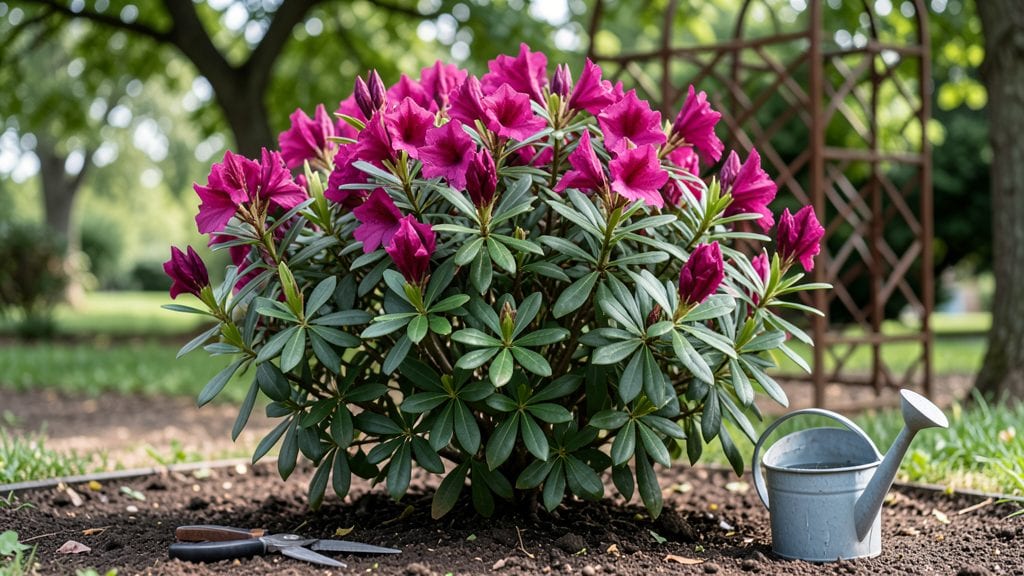
Summer flowering azaleas burst into color when most gardens fade—their vibrant blooms define Pacific Northwest summers with bold, show-stopping displays that last for months. 🌸 I’ve watched these shrubs transform my drizzly backyard into a lush, jewel-toned oasis, their petals glowing like stained glass against the evergreen backdrop.
Unlike spring azaleas that fade by June, these repeat bloomers keep giving from June through September, making them the unsung hero of late-summer gardens.
The secret to their long-lasting beauty lies in three key habits: pruning right after blooming, watering deep but infrequently, and mulching to keep roots cool. Most gardeners overwater or prune at the wrong time—which is why my first batch struggled until I adjusted.
With the right care, you’ll see those glossy leaves and clusters of flowers return year after year, even in our famously wet climate. The payoff? A shrub that’s as low-maintenance as it is stunning.
What sets summer azaleas apart is their resilience in Pacific Northwest conditions—they thrive in partial shade, tolerate our acidic soils, and even handle occasional drought once established. The trade-off? They need more consistent moisture than spring varieties, and their blooms are sensitive to late-season heatwaves.
But with the right timing—planting in early fall, fertilizing in early spring, and watching for lace bugs—you’ll end up with a shrub that’s the talk of every neighborhood.
Whether you’re replacing an old rhododendron or adding a statement piece to your shade garden, these azaleas deliver year-round interest with their glossy foliage and seasonal blooms. The best part?
They grow just as well in containers as in the ground, making them perfect for patios, entryways, or even large pots. Let’s get yours thriving for seasons to come.
📚 In This Guide
- What you need
- Instructions
- Tips and common mistakes
- Wrapping up and next steps
What you need
- ● Summer flowering azalea plants: Choose Rhododendron varieties like ‘George L. Taber,’ ‘Girard’s Pink,’ or ‘Alice’ (3–5 gallon containers or bare-root for best establishment).
- ● Well-draining acidic soil: Aim for a pH of 4.5–6.0 (test kits or meters recommended).
- ● Organic mulch: Pine bark fines or wood chips (2–3 inches deep) to retain moisture and acidity.
- ● Slow-release fertilizer: Acid-loving plant fertilizer (e.g., 10-10-10 or 8-3-9 with micronutrients).
- ● Pruning tools: Bypass pruners (for small stems)
- ● Loppers (for thicker branches)
- ● Sterilizing solution (rubbing alcohol or bleach)
- ● Watering supplies: Hose with adjustable nozzle or drip irrigation system
- ○ Water retention crystals (optional, for dry spells)
- ● Soil amendments: Peat moss or sulfur to adjust pH if needed.
- ● Azalea-specific liquid feed: For a mid-season nutrient boost (e.g., Miracle-Gro Azalea, Camellia & Rhododendron Food).
- ● Support stakes: For young or top-heavy plants in windy areas.
- ● Garden gloves & knee pads: Because comfort (and clean hands) matter!
How to cultivate summer flowering azaleas in the Pacific Northwest
These vibrant shrubs thrive with the right care—here’s how to coax their bold blooms year after year.
🌱 Step 1: Choose the Right Location and Soil
Summer flowering azaleas love partial shade—think 4-6 hours of morning sun with afternoon shade to protect their delicate blooms. In the Pacific Northwest’s humid climate, a spot near trees or a north-facing wall works best. Avoid full sun, which scorches leaves and fades petals.
Amend your soil with 2-3 inches of organic matter—like compost or peat moss—to create the acidic, well-draining conditions they crave. Azaleas hate soggy roots, so test drainage by digging a hole: if water pools after 30 minutes, raise the planting area or mix in perlite. A soil pH of 4.5-6.0 is ideal; test kits are cheap and worth it.
☀️ Step 2: Plant at the Right Time and Depth
Spring or early fall is best for transplanting. Dig a hole twice as wide as the root ball but only as deep—planting too deep suffocates roots. Gently loosen the root ball if it’s tightly bound, then place the shrub so the top of the root ball sits 1 inch above ground level. This prevents crown rot in our rainy winters.
Backfill with your amended soil, tamping lightly to remove air pockets. Water deeply to settle everything, then add a 2-inch layer of mulch (like pine bark) to retain moisture and regulate soil temperature. Keep mulch 6 inches away from the stem to avoid rot. Real talk: if you see yellowing leaves after planting, you’ve buried the crown too deep—dig it up and adjust.
💧 Step 3: Water Deeply and Fertilize Strategically
Azaleas need consistent moisture but hate soggy soil. Water once a week (more in summer heat) until the soil feels dry 2 inches down. Overhead watering encourages fungal diseases, so use a soaker hose or drip irrigation at the base. If leaves curl or drop, you’re either underwatering or overwatering—check the soil first.
Feed with an acid-loving fertilizer (like 8-3-9 with iron) in early spring and again after blooming. Avoid high-nitrogen fertilizers—they promote leafy growth at the expense of flowers. I swear by a slow-release pellet fertilizer; it’s less messy and keeps pH balanced. Yellow leaves? Time to test your soil acidity again.
✂️ Step 4: Prune After Flowering and Watch for Pests
Prune right after blooms fade (late summer) to shape the shrub and encourage next year’s flowers. Cut back one-third of the oldest stems to the ground and trim others to maintain an open center. Avoid pruning in fall—you’ll cut off next year’s buds. Use clean, sharp shears and sterilize them with rubbing alcohol between cuts to prevent disease.
Pacific Northwest azaleas often face lace bugs or spider mites. Check undersides of leaves for tiny yellow spots (lace bug eggs) or fine webbing (mites). Spray with neem oil at the first sign—it’s organic and effective. If aphids appear, blast them off with a strong water spray. Here’s the thing: if you see sticky residue on leaves, it’s already too late for neem oil—switch to insecticidal soap.
🪴 Step 5: Protect from Winter Winds and Adjust Care Seasonally
While azaleas are hardy, winter winds dry out leaves and damage buds. Wrap young shrubs in burlap or use a windbreak until established. In spring, remove any dead or crossing branches—this improves airflow and flower display. If your azalea blooms poorly, it’s often due to too much shade or over-fertilizing—cut back on nitrogen and move it to a sunnier spot.
Every 2-3 years, top-dress with 1-2 inches of compost to replenish nutrients. And here’s a pro tip: if your azalea’s flowers fade quickly, it needs more shade. Move it incrementally over weeks to avoid shock. With these steps, your Pacific Northwest azalea will reward you with bold, repeat blooms for decades.
Tips & tricks for perfect summer flowering azaleas
Common pitfalls—and how to sidestep every one—when growing these Pacific Northwest showstoppers.
Location Intelligence: That 4-6 hours of morning sun is non-negotiable for summer blooms, but here's the thing: if your yard gets intense afternoon sun, consider a spot against a north-facing wall where the structure provides natural shade. I've seen azaleas in full morning sun with afternoon shade thrive where others in similar locations but without that protection struggle—especially in our hotter summers.
Soil Science: The 2-3 inches of organic matter is your foundation, but don't stop there. For that perfect 4.5-6.0 pH, I've found that mixing in a handful of sulfur granules when amending helps maintain acidity longer than compost alone. And that 30-minute drainage test? It's worth repeating every few years—our PNW soil can compact over time, especially with heavy winter rains.
Planting Precision: That 1-inch crown height above ground is critical—it's the difference between healthy growth and crown rot. I've made the mistake of planting too deep, and within weeks, the leaves started yellowing. The fix? Dig it up, adjust, and replant. Also, when loosening that root ball, be gentle—you're not trying to destroy it, just encourage outward growth. Think "unfolding a tightly wrapped gift" rather than "ripping the paper."
Seasonal Strategy: The once-weekly watering guideline works for average summers, but when temperatures climb above 85°F, you'll need to water every 3-4 days instead. And here's what nobody tells you—those 2 inches of mulch? Refresh it annually. Over time, mulch breaks down and loses its insulating properties, which means your soil stays too wet or too dry. A quick top-up makes all the difference.
Pro Tips for Summer Flowering Azaleas
- Common pitfalls—and how to sidestep every one—when growing these Pacific Northwest showstoppers.
- I've seen azaleas in full morning sun with afternoon shade thrive where others in similar locations but without that protection struggle—especially in our hotter summers.
- Soil Science: The 2-3 inches of organic matter is your foundation, but don't stop there.
Frequently asked questions
Got questions about summer flowering azaleas?
You’re not alone! These stunning shrubs are a PNW favorite, but they do have unique needs. Here’s what you need to know before planting or caring for yours.
When do summer flowering azaleas bloom, and how long do the flowers last?
Summer azaleas (like Rhododendron ‘Catawbiense’ or ‘Knock Out’ varieties) typically bloom from late spring to early fall, with peak color lasting 4–8 weeks. Some varieties, like Rhododendron ‘George L. Taber’, rebloom sporadically if deadheaded. For year-round interest, pair them with spring-blooming cousins like Rhododendron ‘Kramer’s Red’.
Are summer flowering azaleas drought-tolerant, or do they need frequent watering?
While established summer azaleas are moderately drought-tolerant, they thrive with consistent moisture, especially during their first year. Mulch heavily (3–4 inches) to retain moisture, and water deeply 1–2 times per week during dry spells. Overwatering can cause root rot—ensure soil drains well (they hate soggy feet!).
What pests or diseases should I watch for in Pacific Northwest azaleas?
The PNW’s mild climate keeps pests in check, but lace bugs, spider mites, and azalea bark scale can still strike. Diseases like Phytophthora root rot (from poor drainage) or powdery mildew (in humid summers) are common. Preventative tip: Prune for airflow, avoid overhead watering, and inspect leaves monthly for early signs (tiny yellow spots = lace bugs!).
Can I grow summer flowering azaleas in containers, or do they need to be planted in the ground?
Yes! Dwarf varieties like ‘Hino Crimson’ or ‘Bow Bells’ thrive in containers (15+ gallon pots), but they’ll need larger pots as they grow. Use acidic, well-draining potting mix (like a rhododendron blend) and fertilize monthly during bloom season. Pro tip: Move containers to partial shade in summer to prevent leaf scorch.
When and how should I prune summer flowering azaleas?
Prune right after blooming (late summer) to avoid cutting off next year’s buds. Shape lightly—never shear into a hedge! Remove dead, crossing, or weak branches first, then trim to open the center for airflow. Avoid heavy pruning—these shrubs bloom on old wood, so aggressive cuts can reduce flowers.
Wrapping up and next steps
Summer flowering azaleas are the Pacific Northwest’s showstopping secret—bursting with color, thriving in local climates, and demanding minimal fuss. Whether you’re a seasoned gardener or a newbie with a green thumb, these shrubs offer year-round charm with the right care.
Now’s the perfect time to plant, prune, or simply admire their vibrant blooms!
Ready to transform your garden? Start by picking your favorite variety—then grab your gloves and get growing! 🌸🌿