
Flowers
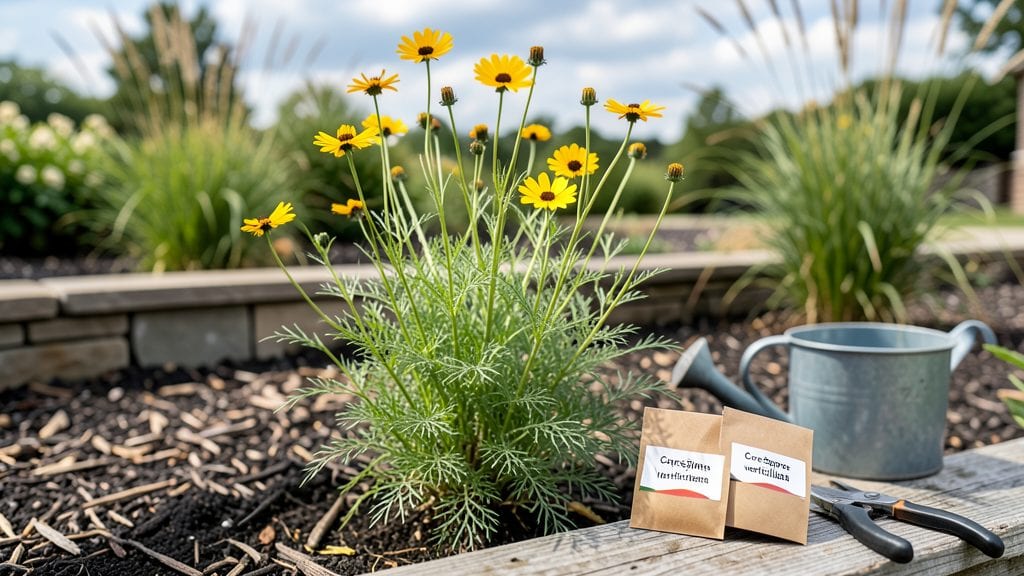
Tassel flower seeds sprout in 7 days, turning your garden into a buzzing pollinator paradise faster than you’d expect. 🌱 I’ve grown them three seasons running, and nothing beats watching bees and butterflies flock to their feathery blooms by early summer.
The secret isn’t just speed—it’s how effortlessly they thrive once you get the basics right.
You’ll need well-draining soil, a sunny spot (at least 6 hours of light daily), and patience for just a week of waiting. Start seeds indoors 4-6 weeks before last frost or sow directly in spring when soil warms to 60°F.
The key? Keep soil consistently moist but never soggy—these seeds hate drowning. A simple tray with seed-starting mix does the trick.
Within a week, you’ll see tiny green shoots pushing through the soil, ready to transform into 3-foot-tall pollinator magnets. Thin seedlings to 12 inches apart once they’re 2 inches tall, and watch them fill in quickly.
Light fertilizing every 4-6 weeks keeps them lush, but they’re surprisingly low-maintenance once established.
Troubleshooting slow germination? Try a bottom heat mat or mix seeds with sand for better contact. Leggy seedlings? Move them closer to light immediately. With these tricks, you’ll have a garden that hums with life—and zero guesswork. Ready to grow yours?
📚 In This Guide
- What you need
- Instructions
- Tips and common mistakes
- Wrapping up and next steps
What you need
- ● Tassel flower seeds – Choose fast-germinating varieties like Coreopsis ‘Moonbeam’ or Rudbeckia ‘Goldsturm’. Buy 100+ seeds for a full garden bed.
- ● Seed-starting mix – 1 gallon of lightweight, sterile potting soil (avoid garden soil—it’s too dense!).
- ● Seed trays or small pots – 12+ cells (2–3 inches deep) or 4–6 small pots (3–4 inches wide).
- ○ Grow lights or sunny windowsill – A full-spectrum LED grow light (optional but helpful for indoor starts).
- ● Spray bottle – For gentle watering (avoid over-saturating seeds!).
- ● Plant labels – Small tags or a pencil to mark seed types.
- ○ Transplanting tweezers (optional) – Makes moving delicate seedlings easier.
- ● Outdoor garden bed or containers – Once seedlings sprout, they’ll need well-draining soil and 6+ hours of sunlight daily.
- ○ Warmth – Seeds germinate best at 65–75°F (18–24°C). Use a heat mat (optional) if your space is cool.
- ● Patience (but not much!) – Germination can happen in 3–7 days with the right conditions.
- ● Pollinator-friendly location – Plant where bees, butterflies, and hummingbirds can visit!
Step-by-Step instructions for growing tassel flower seeds
Here's how to coax those fast-sprouting seeds into a buzzing pollinator paradise.
🌱 Step 1: Prep Containers and Soil for Optimal Germination
Fill small seed trays or biodegradable pots with sterile seed-starting mix—never garden soil, which can harbor damping-off pathogens. Press the mix down lightly until it's firm but not compacted. Tassel flower seeds germinate best in warm, moist conditions, so I like to pre-warm the soil for 12 hours using a seedling heat mat set to 75-80°F. This mimics their native tropical origins and speeds up germination.
Moisten the soil until it's damp like a wrung-out sponge, but not soggy. You'll know it's perfect when a handful forms a loose clump that holds together without dripping. Scatter seeds ¼ inch deep—they're tiny, so I use a toothpick to place them precisely. Cover lightly with a fine layer of additional mix, then mist gently with a spray bottle until the surface looks evenly damp.
💧 Step 2: Create a Humidity Dome and Monitor Moisture
Cover the tray with a clear plastic dome or plastic wrap to trap warmth and humidity. Tassel flower seeds need consistent moisture to germinate, so check daily but avoid lifting the cover—condensation inside keeps humidity high. Place the tray in a warm spot, ideally on a seedling heat mat, where temperatures stay 70-75°F. You should see first sprouts in 5-7 days—watch for tiny green hooks breaking through the soil.
Here's the thing—don't overwater once germination starts. The dome traps enough moisture that the soil stays damp without intervention. If you notice condensation dripping onto seedlings, remove the dome for 30 minutes to air them out. Once 50% of seeds have sprouted, remove the dome completely to prevent fungal issues.
☀️ Step 3: Provide Bright, Indirect Light for Seedlings
As soon as you see first true leaves (not the initial seed leaves), move seedlings to bright, indirect light. A south-facing window works, but supplement with a grow light if natural light is weak. Keep the light 2-3 inches above the plants—they grow fast and will stretch toward any light source. You'll notice leggy growth if the light is too far away, so adjust immediately.
Water from the bottom by placing trays in ½ inch of water for 10 minutes. This encourages strong root development without disturbing delicate seedlings. After 4-6 weeks, when seedlings have 3-4 sets of true leaves, they're ready for transplanting. Harden them off by gradually increasing outdoor exposure over 7-10 days before moving to their final pollinator-friendly location.
🪴 Step 4: Transplant and Establish a Thriving Pollinator Garden
Choose a site with full sun to partial shade—tassel flowers tolerate a range of light but bloom best with 6+ hours of sunlight. Space plants 12-18 inches apart in well-draining soil amended with compost. Dig holes slightly deeper than the root ball and water deeply to settle the soil around roots. Mulch with 2 inches of organic mulch to retain moisture and suppress weeds.
Water deeply once weekly during the first month to encourage deep root growth. Once established, tassel flowers are drought-tolerant, so reduce watering to every 10-14 days unless in extreme heat. You'll see first blooms in 8-10 weeks, attracting bees, butterflies, and hummingbirds instantly. Deadhead spent flowers to prolong the blooming season and keep your garden buzzing all summer.
Tips & tricks for perfect tassel flower seed germination
Took me a while to figure these out, so here's how to avoid common pitfalls and get those fast-sprouting seeds thriving.
Soil Prep Secret: The 12-hour soil warming at 75-80°F is non-negotiable for tropical seeds like tassel flowers. I use a seedling heat mat set to 78°F for consistent results—any lower and germination slows dramatically. Pro tip: Place a thermometer in the soil to verify temperature, as some mats run hotter than advertised. This mimics their native conditions and triggers faster germination within that 5-7 day window mentioned in Step 2.
Precision Planting: Those tiny seeds need exact placement at ¼ inch depth—any deeper and they'll struggle to break through. I use a toothpick to create tiny divots in the soil, then place seeds with tweezers for perfect spacing. This prevents overcrowding later and ensures each seedling gets proper nutrients. For larger batches, consider using a seedling tray with individual cells to maintain this precision effortlessly.
Humidity Management: The humidity dome works wonders, but timing is everything. After the 30-minute air-out period when condensation forms, I always wipe excess water from the dome's interior with a paper towel before resealing. This prevents fungal spores from settling on seedlings—a mistake I made early on that led to damping-off. Once 50% of seeds sprout, that dome comes off completely to harden seedlings naturally.
Light Transition Strategy: When moving seedlings to bright indirect light in Step 3, I gradually increase exposure over 2-3 days rather than doing it all at once. Start with morning sun only, then progress to afternoon light. This prevents the shock that causes leggy growth. The 2-3 inch light distance is critical—any closer and you'll scorch tender leaves, any farther and they'll stretch toward the light source.
Pro Tips for Tassel Flower Seeds
- Took me a while to figure these out, so here's how to avoid common pitfalls and get those fast-sprouting seeds thriving.
- Soil Prep Secret: The 12-hour soil warming at 75-80°F is non-negotiable for tropical seeds like tassel flowers.
- Precision Planting: Those tiny seeds need exact placement at ¼ inch depth—any deeper and they'll struggle to break through.
Frequently asked questions
Got questions about growing tassel flower seeds? You’re not alone! Here are answers to the most common queries—from germination to care—so you can cultivate a buzzing pollinator paradise with confidence.
How long do tassel flower seeds take to germinate?
Most tassel flower seeds sprout within 7–14 days when planted in warm (60–75°F), moist soil. For faster results, soak seeds overnight or use a heat mat. Patience pays off—just keep the soil consistently damp (not soggy) until sprouts appear!
When is the best time to plant tassel flower seeds?
Plant seeds after the last frost when soil temps reach 55°F+ (spring) or 2–3 months before your first fall frost for a late-season bloom. In warm climates, you can even try fall planting for winter color! Direct sowing is easiest—just scatter seeds lightly and cover with ¼ inch of soil.
Can I grow tassel flowers in containers?
Tassel flowers thrive in 5+ gallon containers with well-draining soil. Choose pots with drainage holes and place them in full sun (6+ hours/day). Just ensure containers are wide enough for their clumping habit—they can spread 12–18 inches over time.
Why aren’t bees visiting my tassel flowers?
If pollinators seem shy, check these fixes:
- Timing: Plant in early spring when bees are most active.
- Location: Place near other nectar-rich flowers (like sunflowers or lavender).
- Health: Ensure plants are pest-free and well-watered.
- Diversity: Mix seed varieties (e.g., Coreopsis + Rudbeckia) to attract more species.
Do tassel flowers survive winter?
In USDA Zones 3–9, most tassel flowers are perennial and return yearly. In colder zones (below 3), cut back dead foliage in fall and mulch heavily. Seed-grown varieties may self-sow, giving you free plants next season!
What can I plant with tassel flowers for a pollinator-friendly garden?
Pair tassel flowers with these bee-approved companions:
Plant
Why It Works
Coneflowers (Echinacea)
Long bloom season + drought-tolerant.
Black-Eyed Susans (Rudbeckia)
Attracts butterflies + thrives in poor soil.
Milkweed (Asclepias)
Essential for monarch butterflies.
Basil or Marigolds
Repels pests naturally.
Wrapping up and next steps
Growing tassel flower seeds is a rewarding journey that brings vibrant color and life to your garden in just seven days! 🌱 Whether you're a seasoned gardener or a beginner, these fast-germinating seeds are a fantastic way to support pollinators while enjoying stunning blooms.
With the right preparation and care, you’ll soon have a thriving haven for bees, butterflies, and hummingbirds.
Ready to take the next step? Grab your seeds, prepare your soil, and watch your garden transform into a buzzing paradise. Happy planting! 🌸