
Flowers
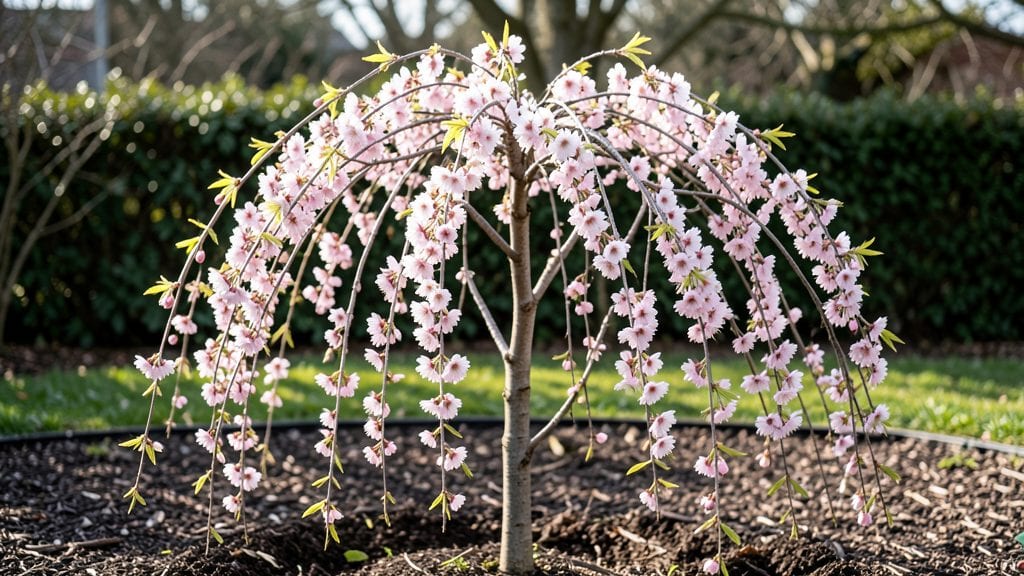
Weeping cherry flowers transform any garden into a cascading dream—especially in the Pacific Northwest’s mild, damp climate where they thrive year-round. 🌸 I’ve watched mine burst into delicate pink blossoms against rain-soaked evergreens, creating a scene straight out of a storybook.
The secret lies in their adaptability: they handle our region’s wet winters and cool summers better than most ornamentals, yet still demand just the right balance of care to reward you with those breathtaking, fountain-like blooms.
The right spot makes all the difference—partial shade protects their blossoms from scorching summer sun while keeping the soil consistently moist. My tree sits where morning light spills over its branches, and that’s where it puts on its best show.
You’ll need well-draining soil (amend with compost if yours is heavy clay) and regular watering during the first two years to establish strong roots. Once settled, they’re surprisingly low-maintenance, though pruning in late winter keeps that graceful weeping shape and encourages next year’s flowers.
What you’re really growing toward is that magical spring display—hundreds of blossoms that perfume the air and attract bees by the dozens. The foliage stays lush and green even in winter, providing year-round interest, and mature trees develop that iconic, almost liquid-like canopy.
With the right variety (like ‘Akebono’ for early blooms or ‘Kanzan’ for dense flowers), you’ll have a showstopper that outshines most spring gardens. The best part? They handle our region’s rain and wind better than many imported ornamentals.
Common challenges like powdery mildew or aphids are easy to prevent with proper spacing and occasional neem oil sprays—nothing that should derail your plans.
Even in the PNW’s wet climate, these trees stay healthy with the right care, and their adaptability means they’ll thrive in urban gardens, parks, or rural landscapes alike. Once established, they’re practically foolproof—just give them space to grow and watch the magic unfold.
📚 In This Guide
- What you need
- Instructions
- Tips and common mistakes
- Wrapping up and next steps
What you need
- ● Weeping cherry tree(s): 1–3 Prunus serrulata ‘Kanzan’ or Prunus subhirtella ‘Autumnalis’ (choose based on blooming season preference)
- ● Bare-root (dormant season) or container-grown (year-round planting)
- ● Soil: Well-draining, slightly acidic loam (pH 6.0–6.5)
- ● 6–8 cubic yards of topsoil or compost-amended soil (for in-ground planting)
- ● Fertilizer: 10–10–10 balanced fertilizer (1 lb per tree)
- ● Slow-release organic fertilizer (e.g., 5-5-5)
- ● Planting tools: Shovel or d-handle spade
- ● Garden trowel
- ● Wheelbarrow (for soil/amendments)
- ● Pruning tools: Bypass pruners (for clean cuts)
- ● Loppers (for thicker branches)
- ● Sterilizing solution (rubbing alcohol or bleach)
- ● Mulch: 3–4 inches of wood chips or pine straw (to retain moisture)
- ● Soil moisture meter (to monitor watering needs)
- ● Tree stakes & ties (for young saplings in windy PNW areas)
- ● Pest deterrents (neem oil or horticultural soap for aphids)
- ● Drip irrigation system (for consistent hydration)
Step-by-Step instructions for planting and caring for weeping cherry trees
Here's how I've nurtured stunning weeping cherries that bloom reliably year after year.
🌱 Step 1: Choose the Perfect Planting Site
Weeping cherries thrive in full sun—at least 6 hours daily—so pick a spot that gets morning sunlight and afternoon shade if summers run hot. The Pacific Northwest's mild climate makes them ideal, but avoid low-lying areas where cold air settles. I dig a hole twice as wide as the root ball but only as deep—planting too deep suffocates roots.
Loosen the soil around the edges of the hole with a garden fork. Amend heavy clay with 2-3 inches of compost mixed into the top 12 inches of soil. Weeping cherries have shallow roots, so don't disturb the native soil too deeply. Test the hole depth by placing the tree in—it should sit 1-2 inches higher than its container level to prevent waterlogging.
🪴 Step 2: Plant with Proper Spacing and Support
Space weeping cherries 15-20 feet apart to allow their graceful branches to spread without crowding. I always install a sturdy support stake (at least 6 feet tall) before planting—these trees grow 20-30 feet tall and need stability. Position the stake 3-4 inches from the trunk and tie it loosely with soft tree ties (not wire, which can girdle the trunk).
Remove the tree from its container and gently tease the roots outward if they're circling. Place it in the hole so the root flare (where roots meet trunk) sits 1-2 inches above soil level. Backfill with native soil, tamping lightly every 6 inches to eliminate air pockets. Water deeply to settle the soil—you'll know it's right when water drains freely from the bottom of the hole.
☀️ Step 3: Water and Mulch for First-Year Establishment
Water deeply 2-3 times weekly for the first 6-8 weeks after planting, ensuring moisture reaches 12 inches down. Weeping cherries have shallow roots, so consistent moisture prevents stress. I check by inserting a screwdriver—if it slides in easily, you're good. If it meets resistance, water again.
Apply 3-4 inches of mulch (wood chips or bark) in a 3-foot diameter ring around the tree, keeping it 6 inches away from the trunk. This conserves moisture, regulates soil temperature, and suppresses weeds. Replenish mulch annually in early spring. Avoid over-mulching—too much suffocates roots and traps moisture, inviting rot.
✂️ Step 4: Prune for Shape and Bloom Health
Prune late winter or early spring (before buds swell) to shape the tree and encourage strong blooms. Remove dead, crossing, or rubbing branches first—these compete for energy and invite disease. I cut back overly long branches by one-third to maintain the weeping form. Use clean, sharp pruners and make cuts just outside the branch collar.
Thin out 10-15% of the canopy to improve airflow—this prevents fungal issues and ensures vibrant flowers. Avoid heavy pruning in the first 2-3 years, as young trees need all their energy for root growth. After pruning, apply a balanced 10-10-10 fertilizer (per package instructions) to support new growth. Watch for pink buds in early spring—they signal the tree is ready for full care.
Tips & tricks for perfect weeping cherry flowers
Here's what I've learned after years of growing these stunning Pacific Northwest beauties—tricks that'll make all the difference in your tree's health and bloom.
Soil Preparation Secret: In Step 1, when amending that 2-3 inches of compost into the top 12 inches of soil, I add a handful of mycorrhizal fungi to the mix. These beneficial fungi form a symbiotic relationship with the tree's roots, helping them absorb nutrients more efficiently. You can find them at garden centers in powder form—just sprinkle and mix! This gives your weeping cherry a head start in nutrient uptake, especially important for those shallow roots.
Stake Placement Tip: For Step 2, when installing your 6-foot support stake, I angle it slightly away from the tree at the top—about 5 degrees. This creates a gentle outward pull that helps the trunk grow straighter as it matures. Also, use two stakes if possible (one on each side) for better support, especially if your tree is in a windy location. The 3-4 inches spacing from the trunk is perfect—any closer and you risk girdling.
Watering Wisdom: During the critical 6-8 weeks of first-year establishment in Step 3, I set a timer for every 3 days as a reminder. But here's the real trick: water in the early morning so the foliage has all day to dry, preventing fungal diseases. And when you're checking with that screwdriver, aim for 12 inches down)—if it slides in easily, you're golden. If not, water again immediately. Overwatering is just as bad as underwatering for these shallow-rooted beauties.
Pruning Pro Tip: In Step 4, when you're thinning that 10-15% of the canopy, look for branches that are growing straight up—these are called "water sprouts" and they compete with the graceful weeping form. Cut them back to a lateral branch or bud. Also, sterilize your pruners with rubbing alcohol between cuts to prevent spreading any potential diseases from branch to branch. And remember, those pink buds in early spring? That's your cue to hold off on heavy pruning until after they bloom.
Pro Tips for Weeping Cherry Flowers
- Here's what I've learned after years of growing these stunning Pacific Northwest beauties—tricks that'll make all the difference in your tree's health and bloom.
- Soil Preparation Secret: In Step 1, when amending that 2-3 inches of compost into the top 12 inches of soil, I add a handful of mycorrhizal fungi to the mix.
- Stake Placement Tip: For Step 2, when installing your 6-foot support stake, I angle it slightly away from the tree at the top—about 5 degrees.
Frequently asked questions
Got questions about nurturing weeping cherry flowers? You’re not alone! Here are some of the most common inquiries—plus straightforward answers to help you grow these stunning blooms with confidence.
When is the best time to plant weeping cherry trees in the Pacific Northwest?
Plant weeping cherries in early spring (March–April) or fall (September–October) for optimal root establishment. Avoid planting in summer heat or winter frost, which can stress young trees. The PNW’s mild climate makes spring ideal—just ensure the soil isn’t soggy!
How long does it take for weeping cherry flowers to bloom after planting?
Patience pays off! Weeping cherries typically take 3–5 years to bloom after planting, though some vigorous varieties may flower sooner (1–2 years). Healthy soil, consistent watering, and proper sunlight (full sun to partial shade) speed up the process.
Are weeping cherry trees drought-tolerant once established?
Once rooted, weeping cherries are moderately drought-tolerant, but they thrive with 1–1.5 inches of water weekly during dry spells. Mulch around the base to retain moisture, especially in the PNW’s summer droughts. Overwatering can cause root rot—soak the soil, then let it dry slightly between waterings.
Can I grow weeping cherry trees in containers or small gardens?
While possible, weeping cherries prefer spacious root zones (minimum 10–15 feet wide). For containers, choose dwarf varieties like Prunus subhirtella ‘Autumnalis’ and use a 50-gallon+ pot with drainage. Repot every 2–3 years and prune aggressively to control size. Small gardens? Opt for columnar cherries instead!
What pests or diseases should I watch for with weeping cherry trees?
Common issues include:
- Cherry leaf spot: Fungal disease causing brown spots. Solution: Prune infected leaves and apply fungicide in spring.
- Japanese beetles: Skewer leaves for a ragged look. Solution: Handpick or use neem oil.
- Powdery mildew: White coating on leaves. Solution: Improve airflow and spray with baking soda mix (1 tsp per quart of water).
Prevention? Keep trees healthy with balanced fertilizer and proper pruning!
Wrapping up and next steps
The weeping cherry flowers bring a touch of elegance and tranquility to the Pacific Northwest’s landscapes, offering year-round beauty with their delicate blooms and graceful arcs.
Whether you’re a seasoned gardener or a beginner, these hardy trees reward patience with stunning visuals and minimal fuss—just pick the right spot, give them love, and watch them thrive! 🌸
Ready to transform your garden? Start by reviewing your supplies, then sketch a planting plan or reach out to local nurseries for expert advice. Your weeping cherry’s first blush of spring is just a shovel’s throw away! ✨