
Flowers
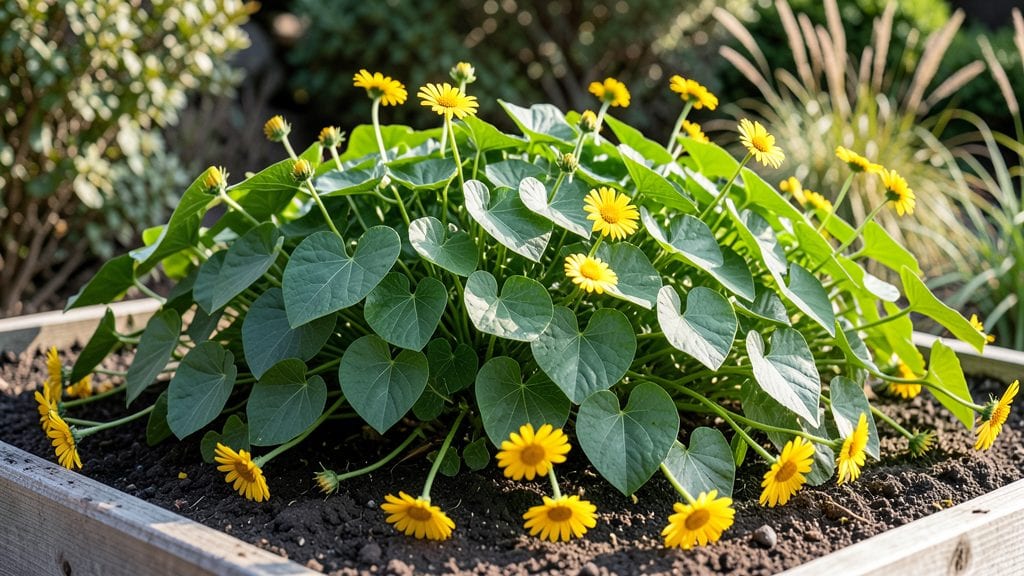
The yellow billy button flowers I discovered last spring turned my shady corner into a golden burst of sunshine. These cheerful daisy-like blooms (Rhodanthe chlorocephala) thrive where most flowers refuse to grow, and their bright yellow centers pop against any backdrop.
The secret? They love partial shade and well-draining soil—perfect for gardeners with tricky spots.
Starting them is simple: sow seeds directly in spring or take cuttings from established plants. They germinate quickly in loose, sandy soil and bloom within 8-10 weeks, giving you instant color.
Just keep the soil lightly moist (not soggy) and deadhead spent blooms to encourage more flowers. No fancy fertilizers needed—they’re happy with basic compost.
What you’ll end up with is a nonstop display of sunburst blooms from early summer through fall, even in shady spots. The flowers attract pollinators, and their drought-tolerant nature means less fuss once established. They’re also deer-resistant, which is a bonus for rural gardeners.
Works beautifully in containers, borders, or as a ground cover. Here’s how to keep them thriving all season long—no green thumb required.
📚 In This Guide
- What you need
- Instructions
- Tips and common mistakes
- Wrapping up and next steps
What you need
- ● Yellow billy button plants: 1–3 nursery-grown plants (or seeds if propagating from scratch)
- ● Note: Seeds may take 1–2 years to bloom, so cuttings or young plants are faster!
- ● Well-draining soil: 2–3 bags of cactus/succulent mix (or amend garden soil with 30% perlite/sand)
- ● 1 bag of compost (for fertility)
- ● Containers or garden bed: 1–2 5–7 gallon pots (if container-growing) with drainage holes
- ● OR a partial-shade garden spot (6+ hours of dappled light)
- ● Basic tools: 1 trowel or small shovel
- ● 1 pruning shears (for trimming)
- ● 1 watering can with a rose nozzle (for gentle watering)
- ● Slow-release fertilizer: 1 packet of balanced 10-10-10 (for established plants)
- ● Mulch: 1 bag of gravel or bark chips (to retain moisture)
- ● Support stakes: 2–3 bamboo stakes (if plants grow tall in windy areas)
- ● Seed-starting kit: If propagating from seed (includes trays, seedling mix, and humidity dome)
How to grow thriving yellow billy button flowers in shade
Here's my proven approach for coaxing vibrant yellow blooms from these shade-loving perennials.
🌱 Step 1: Select the Perfect Planting Site
Billy buttons thrive in partial to full shade, making them ideal for woodland gardens or areas under trees. Choose a location that receives 2-4 hours of dappled sunlight daily—more than that can scorch their delicate foliage. The soil should drain well but retain moisture; these plants despise soggy roots. I always test drainage by digging a small hole, filling it with water, and watching how quickly it drains—if it takes more than an hour, amend with compost to improve structure.
These perennials spread slowly but steadily, so give each plant 12-18 inches of space to prevent overcrowding. If your garden has heavy clay soil, mix in 2-3 inches of organic matter like compost or leaf mold before planting. The goal is loose, fertile soil that mimics their natural woodland habitat. Billy buttons are tough once established, but they reward patience with continuous blooms from early summer through fall.
🪴 Step 2: Plant at the Right Time and Depth
Spring is the best time to plant yellow billy buttons, as the soil warms enough to encourage root establishment before summer heat arrives. If you're transplanting established plants, do it in early spring or early fall to avoid stress during extreme temperatures. Dig a hole twice as wide as the root ball but only as deep as the container—planting too deep suffocates the crown and invites rot.
Gently remove the plant from its container and tease apart any circling roots with your fingers. Place it in the hole so the top of the root ball sits level with the surrounding soil—never mound soil against the stem. Backfill with native soil mixed with a handful of slow-release organic fertilizer, then water deeply to settle everything. You'll know the roots are happy when new growth appears within 2-3 weeks, signaling they've adjusted to their new home.
☀️ Step 3: Maintain Consistent Moisture and Light
Billy buttons are drought-tolerant once established, but they need consistent moisture during their first growing season. Water deeply once a week unless rainfall provides 1 inch of moisture, checking the soil 2 inches below the surface—if it's dry, it's time to water. Overhead watering can damage the foliage, so use a soaker hose or drip irrigation to deliver water at the base. Mulch with 2-3 inches of shredded bark or leaves to retain moisture and suppress weeds, but keep mulch 3 inches away from the stem to prevent rot.
While they tolerate shade, these plants still need bright, indirect light to produce their signature yellow blooms. If your garden is very dark, consider thinning nearby trees or shrubs to increase light penetration. You'll notice the most vibrant flowers on plants receiving morning sun and afternoon shade—this balance prevents leaf scorch while fueling blooms. Fertilize lightly in early spring with a balanced organic fertilizer (10-10-10) to support steady growth without excessive foliage at the expense of flowers.
✂️ Step 4: Prune and Deadhead for Continuous Blooms
Yellow billy buttons bloom prolifically, but they benefit from light pruning to encourage bushier growth and more flowers. After the first flush of blooms fades, trim back spent stems by one-third to stimulate new growth. I always use clean, sharp pruners to make cuts just above a leaf node—this prevents disease and encourages branching. Avoid heavy pruning in late summer, as the plant needs time to harden off before winter.
Deadheading spent blooms regularly prevents seed formation and redirects the plant's energy into producing more flowers. Simply pinch or snip off faded blossoms at the base of the stem. You'll see a second wave of blooms within 3-4 weeks if you maintain this habit throughout the growing season. In late fall, cut back the foliage by half to tidy the plant, but leave some stems for winter interest and to protect the crown from cold snaps.
Tips & tricks for perfect yellow billy button flowers
These simple yet game-changing strategies will help you coax the most vibrant blooms from your shade-loving perennials.
Light Balance Secret: The 2-4 hours of dappled sunlight mentioned in Step 1 is non-negotiable for those signature yellow blooms. I've found that positioning plants on the east side of structures or under deciduous trees creates this perfect balance—morning sun fuels photosynthesis while afternoon shade prevents leaf scorch. If your garden is particularly dark, consider using reflective surfaces like white gravel or light-colored mulch to bounce extra light onto the plants.
Soil Test Hack: Before amending that heavy clay soil with 2-3 inches of organic matter, perform a simple drainage test: Dig a 6-inch hole, fill it with water, and time how long it takes to drain. If it's still damp after an hour, you absolutely need to improve drainage. I've seen billy buttons struggle in compacted soil where roots suffocate—this simple test prevents that heartbreak. For extra insurance, mix in perlite or coarse sand to create air pockets.
Pruning Precision: When you're trimming back spent stems by one-third in Step 4, focus on cutting just above a leaf node where new growth will emerge. I always use sterilized pruners and make clean cuts at a 45-degree angle to prevent water from pooling on the stem. This technique not only encourages bushier growth but also reduces the risk of fungal infections that can plague overcrowded plants.
Fertilizer Timing: That early spring application of balanced organic fertilizer (10-10-10) is crucial, but don't overdo it. I've learned the hard way that too much nitrogen produces lush foliage at the expense of flowers. Instead, I recommend applying a light dose of phosphorus-rich fertilizer in late summer to encourage root development and next year's blooms. Think of it as a two-part strategy: growth in spring, blooms in summer.
Pro Tips for Yellow Billy Button Flowers
- These simple yet game-changing strategies will help you coax the most vibrant blooms from your shade-loving perennials.
- Light Balance Secret: The 2-4 hours of dappled sunlight mentioned in Step 1 is non-negotiable for those signature yellow blooms.
- Soil Test Hack: Before amending that heavy clay soil with 2-3 inches of organic matter, perform a simple drainage test: Dig a 6-inch hole, fill it with water, and time how long it takes to drain.
Frequently asked questions
Got questions about these cheerful yellow blooms? Here are some of the most common inquiries about yellow billy button flowers—plus quick answers to help you grow them with confidence!
How do I know if my yellow billy buttons are getting enough light?
These shade-loving stars thrive in partial to full shade (2–6 hours of dappled light daily). If leaves look pale or leggy, they’re craving more shade. Yellowing leaves? Too much harsh sun. A spot under tall trees or near a north-facing wall is ideal!
Why aren’t my yellow billy buttons blooming this year?
Blooms often lag if soil stays soggy or too dry. Ensure well-draining soil and water only when the top inch feels dry. Over-fertilizing can also stunt flowers—stick to a balanced, low-phosphorus fertilizer in early spring. Patience helps too; they may bloom sporadically in their first year!
Are yellow billy buttons toxic to pets or kids?
Great news! These flowers are non-toxic to cats, dogs, and humans. However, their sap can irritate sensitive skin—wear gloves if handling large quantities. Always supervise young children around plants to avoid accidental ingestion of any garden debris.
How long do yellow billy buttons last in a vase?
Cut stems last 7–10 days with proper care. Trim stems at an angle, remove lower leaves, and change water every 2 days. Add a flower food packet to extend their vase life. For longest enjoyment, harvest blooms in the early morning when stems are hydrated!
What’s a good alternative if I can’t grow yellow billy buttons?
Try these shade-tolerant, cheerful bloomers:
- Impatiens – Bright colors, thrives in low light
- Hosta – Foliage-focused but adds texture
- Lungwort (Pulmonaria) – Unique spotted leaves + spring blooms
- Bleeding heart (Dicentra) – Delicate pink/white flowers
Wrapping up and next steps
Yellow Billy Button flowers are the perfect sunburst blooms to brighten up shady gardens with their cheerful charm and low-maintenance nature. Whether you're a seasoned gardener or just starting out, these vibrant flowers are a delightful addition that rewards patience with stunning, long-lasting color.
Ready to transform your garden? Grab your gloves, pick a spot, and let these cheerful blooms work their magic! 🌿✨
Next step: Start by gathering your supplies and follow the planting tips to bring a burst of sunshine to your shade garden today!