
Flowers
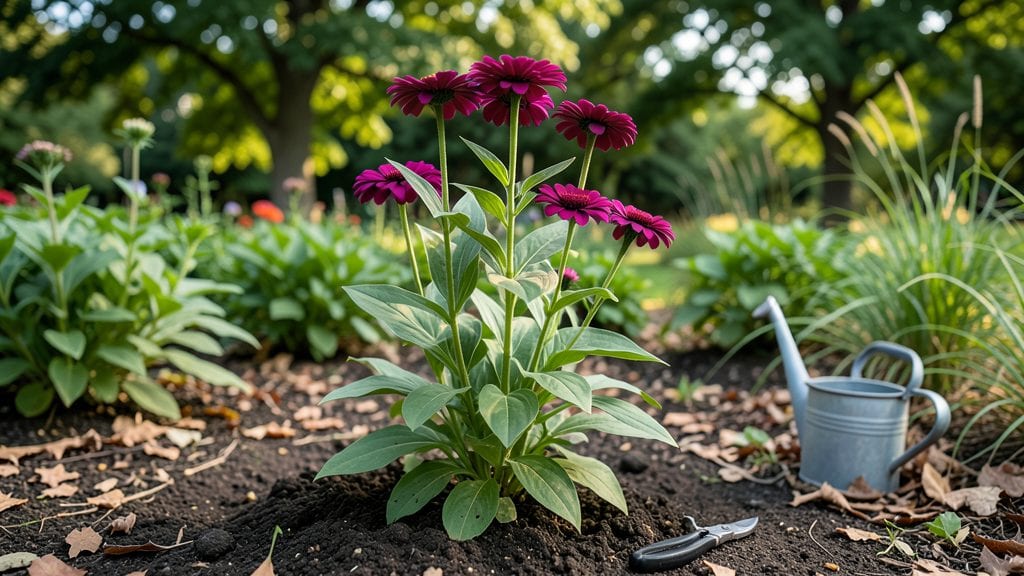
The purple zinnia flower is nothing short of magic—those velvety blooms that turn heads and hummingbird throats alike. 🌸 I planted my first zinnias last June, and within weeks, my garden transformed from ordinary to showstopper, with those deep magenta centers drawing in pollinators like magnets.
The secret isn’t just their color; it’s how they work in every garden design, from cottage-style borders to modern containers.
These flowers thrive in full sun and well-drained soil, making them the perfect low-maintenance star for any space. They bloom from early summer through frost, giving you months of color with minimal effort.
Pair them with silver foliage plants like lamb’s ear or dusty miller to make the purple pop even more, or mix them with white snapdragons for a dreamy, romantic border.
What you’ll love most is their versatility—cut them for bouquets that last a week in a vase, or let them stand tall in the garden where they’ll attract hummingbirds all season.
The bold contrast of purple against green foliage or yellow blooms creates instant visual drama, while their ruffled petals add texture that’s impossible to ignore.
Whether you’re designing a pollinator-friendly garden, a vibrant summer border, or simply want to add drama to your patio pots, purple zinnias deliver. They’re the easy, foolproof way to make your outdoor space feel alive and intentional—no green thumb required.
📚 In This Guide
- What you need
- Instructions
- Tips and common mistakes
- Wrapping up and next steps
What you need
- ● Purple zinnia seeds (e.g., Zinnia elegans varieties like 'Benary’s Giant' or 'Crystal'): 1–2 packets (each packet typically contains 50–100 seeds).
- ○ Seedlings (optional): 3–6 healthy purple zinnia plants (check local nurseries for disease-free stock).
- ● Well-draining potting mix or garden soil: 1–2 bags (10–20 lbs each) for containers or in-ground planting.
- ● Compost or organic fertilizer: 1–2 cups (for enriching soil before planting).
- ● Containers (if growing in pots): 5–6-inch diameter pots for seedlings or 12+ inch pots for mature plants (ensure drainage holes!).
- ● Watering can or hose with a gentle spray nozzle (avoid overwatering young seedlings).
- ● Garden trowel or transplanting spade (for digging holes or moving seedlings).
- ● Gloves (to protect hands from thorns and soil).
- ● Pruning shears (for deadheading spent blooms and shaping plants).
- ○ Mulch (optional but recommended): Shredded bark or straw (1–2 inches thick) to retain moisture and suppress weeds.
- ○ Stakes or cages (optional): For tall varieties (e.g., 'Benary’s Giant') to prevent flopping in wind.
- ● Sunlight: A spot with full sun (6+ hours of direct light daily)—zinnias thrive in warmth!
- ● Temperature: Ideal for planting after last frost (soil temps above 50°F/10°C).
- ● Drainage: Avoid soggy soil—zinnias hate "wet feet."
- ● Hummingbird-friendly location: Plant near feeder stations or other nectar-rich flowers (like salvias or bee balm) for a pollinator paradise!
Step-by-Step guide to growing purple zinnia flowers
Here's how I grow these vibrant blooms that hummingbirds can't resist—simple, bold, and reliable.
🌱 Step 1: Choose the Perfect Planting Spot
Zinnias thrive in full sun, so pick a location that gets at least 6-8 hours of direct sunlight daily. I always look for a spot with good air circulation to prevent fungal diseases—crowded areas lead to powdery mildew. If you're planting in containers, place them where they won't be shaded by taller plants or structures.
Check the soil moisture by digging down 2 inches—it should feel slightly damp but not soggy. If your soil drains poorly, mix in 2-3 inches of compost to improve texture and fertility. Purple zinnias love well-draining soil, so avoid low-lying areas where water pools after rain.
🌱 Step 2: Start Seeds Indoors or Direct-Sow
For an early start, I sow seeds indoors 6-8 weeks before the last frost date using a seed-starting mix. Plant seeds ¼ inch deep in small pots and keep the soil consistently moist at 70-75°F until germination, which usually takes 5-10 days. Once seedlings have 2-3 true leaves, they're ready to transplant.
If you prefer direct sowing, wait until soil temperatures reach 50°F and all frost risk has passed. Scatter seeds ¼ inch deep, spacing them 6-12 inches apart in rows 12-18 inches apart. Thin seedlings to the strongest plants once they reach 2 inches tall—this prevents overcrowding and encourages bigger blooms.
☀️ Step 3: Provide Consistent Care for Vibrant Blooms
Water zinnias at the base 1 inch per week, avoiding the leaves to prevent disease. I water in the morning so foliage dries quickly. Let the top 1-2 inches of soil dry out between waterings—overwatering causes root rot, and zinnias are surprisingly drought-tolerant once established.
Feed plants with a balanced liquid fertilizer (10-10-10) every 2-3 weeks during the growing season. You'll notice stronger stems and more prolific blooms within a week. Deadhead spent flowers regularly by pinching off the faded blooms—this encourages continuous flowering and prevents the plants from going to seed too early.
✂️ Step 4: Support and Prune for Long-Lasting Beauty
If your zinnias grow taller than 2 feet, stake them with 5-foot bamboo stakes or use a tomato cage for support. I tie stems loosely with soft plant ties to avoid damaging the stems. This keeps blooms upright and makes harvesting easier.
Prune leggy stems back by ⅓ to encourage bushier growth. Watch for powdery mildew on leaves—if you see white powdery spots, spray with a fungicide and improve air circulation. Harvest flowers in the morning when petals are fully open for the longest vase life.
🐦 Step 5: Attract Hummingbirds with Strategic Planting
Plant zinnias in clusters of 3-5 plants to create a bold visual display that hummingbirds can't resist. I often pair them with other nectar-rich flowers like salvia or bee balm for a continuous food source. Avoid using pesticides—hummingbirds are sensitive to chemical residues.
Watch for the first hummingbird visitors within 2-3 weeks of blooming. These birds prefer zinnias with bright purple or magenta flowers, so choose varieties like 'Benary's Giant' or 'Profusion Purple' for maximum appeal. Keep a small dish of fresh water nearby to attract even more visitors.
Tips & tricks for perfect purple zinnia growth
Growing vibrant purple zinnias takes just a few smart moves that make all the difference between average blooms and showstopping color.
Sunlight Strategy: The 6-8 hours of direct sunlight in Step 1 is non-negotiable—zinnias won't tolerate shade. If your garden gets less than 6 hours, supplement with a grow light for 4-6 hours daily. I've seen zinnias in partial shade produce pale blooms or fail to flower altogether. Place a stake in your planting spot to track sunlight hours before planting.
Germination Secret: When starting seeds indoors at 70-75°F (Step 2), cover the seed trays with plastic wrap to create a mini greenhouse effect. This keeps humidity high and speeds up germination from 5-10 days to just 3-5 days. Remove the plastic once sprouts appear to prevent fungal growth. For direct sowing, wait until soil reaches exactly 50°F—colder soil slows germination dramatically.
Watering Wisdom: The 1-inch weekly watering guideline (Step 3) works best when applied consistently. I water zinnias at the soil base using a soaker hose rather than overhead sprinklers—this prevents fungal diseases that love damp foliage. Let the top 1-2 inches dry between waterings, but never let the soil become bone dry. Zinnias are drought-tolerant once established, but they won't produce vibrant purple blooms without consistent moisture.
Hummingbird Hack: For maximum hummingbird attraction (Step 5), plant zinnias near a window where you can watch the birds feed. Place a shallow dish of fresh water with floating marbles nearby—hummingbirds love to bathe. I've noticed they're most active between 8-10am and 4-6pm, so position your plants where you can enjoy the show during these peak times.
Pro Tips for Purple Zinnia Flower
- Growing vibrant purple zinnias takes just a few smart moves that make all the difference between average blooms and showstopping color.
- Sunlight Strategy: The 6-8 hours of direct sunlight in Step 1 is non-negotiable—zinnias won't tolerate shade.
- Germination Secret: When starting seeds indoors at 70-75°F (Step 2), cover the seed trays with plastic wrap to create a mini greenhouse effect.
Frequently asked questions
Got questions about purple zinnias? You’re not alone!
Whether you’re a first-time gardener or a seasoned pro, these answers will help you grow stunning blooms that hummingbirds can’t resist.
What’s the best time to plant purple zinnias for continuous blooms?
For nonstop color, plant seeds 2–3 weeks after your last frost date in spring. In warm climates, you can also sow seeds in late summer for fall blooms. Purple zinnias thrive in full sun (6+ hours/day) and bloom best when deadheaded regularly. Pro tip: Start seeds indoors 4–6 weeks before transplanting for an earlier show!
Why aren’t hummingbirds visiting my purple zinnias?
Hummingbirds love zinnias, but a few tweaks can help: Ensure flowers are fully open (they prefer tubular blooms like ‘Benary’s Giant’). Plant near feeders or other nectar sources, and avoid pesticides—chemicals can repel pollinators. Bonus: Purple zinnias attract butterflies too, doubling the garden’s charm!
Can purple zinnias survive winter, or do I need to replant every year?
Zinnias are annuals, so they won’t return on their own after frost. However, they’re easy to grow from seeds each spring! Save seeds from your healthiest blooms by drying them in a paper bag, then replant next year. Fun fact: Some varieties, like ‘Profusion Purple,’ are self-cleaning—no deadheading needed!
What can I do if my purple zinnias look leggy or stop blooming?
Leggy stems or sparse blooms often mean too little light or overcrowding. Thin seedlings to 12–18 inches apart and move pots to sunnier spots. For a second flush of blooms, trim back leggy stems by ⅓ and fertilize lightly with a balanced formula (10-10-10). Warning: Avoid high-nitrogen feed, or you’ll get foliage, not flowers!
Are there purple zinnia alternatives that attract hummingbirds?
Try these hummingbird magnets:
- Salvia (Scarlet Sage): Drought-tolerant and packed with nectar.
- Bee Balm: Vibrant red/pink blooms loved by pollinators.
- Cardinal Flower: Deep red spikes that hummers can’t resist.
- Cleome (Spider Flower): Unique spikes with a purple tint.
Wrapping up and next steps
From their vibrant purple hues to their hummingbird magnetism, purple zinnias are a gardener’s dream—easy to grow, low-maintenance, and bursting with life. Whether you’re a beginner or a seasoned green thumb, these flowers bring joy, color, and wildlife to your space all season long. 🌸
Ready to transform your garden? Start small—plant a few seeds or cuttings today, and watch your outdoor oasis bloom with beauty and buzzing visitors! For even more inspiration, explore our guide to companion plants or dive into hummingbird-friendly gardening tips next.